
Your home decor style is a blend of form, mood, and daily habits.
If you wonder what style is my home decor, you’re in the right place. I’ve helped people read their rooms like a design pro. In this guide, I’ll show you how to decode your look, name it, and refine it with confidence. We’ll use easy steps, clear style traits, and real-life tips that work in any home.

How to figure out your style in 10 minutes
When clients ask what style is my home decor, I start with a fast scan. Look, list, and label. That simple.
Try this quick audit:
- Snap five photos of your main room from different angles.
- List the top three colors you see most.
- Name three materials that repeat, like wood, metal, or linen.
- Circle the silhouettes: clean lines, curves, or ornate edges.
- Check the vibe words that fit: calm, warm, bold, airy, cozy, sleek.
- Note the age mix: mostly new, vintage, or a split.
- Spot patterns: stripes, florals, geometrics, or none.
- Look at finishes: matte, glossy, distressed, or polished.
- Count clutter: minimal display or layered display.
- Ask yourself what style is my home decor saying about how I live today.
Quick read:
- Clean lines, neutral colors, and open space point to modern or Scandinavian.
- Warm woods, soft fabrics, and a lived-in look lean farmhouse or rustic.
- Bright color, global textiles, and plants suggest bohemian.
- Brass, rich hues, and bold shapes hint art deco or glam.
- A gentle mix of old and new often signals transitional.
In my work, this 10-minute test gets us 80% there. The last 20% comes from your story and habits.
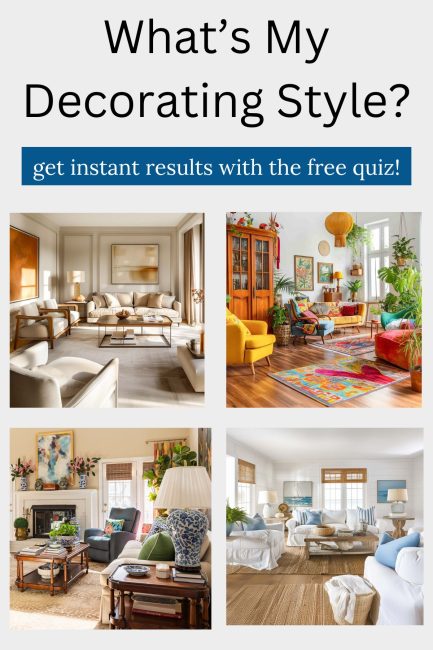
The major styles, explained simply
If you ask what style is my home decor, compare your room to these core styles. Find the best match, then adjust.
Modern
- Clean lines, low furniture, little clutter.
- Neutral base, bold accents, lots of negative space.
- Metals, glass, concrete.
Mid-century modern
- Warm wood tones, tapered legs, organic curves.
- Mustard, teal, walnut, playful lighting.
- Iconic shapes, simple profiles.
Scandinavian
- Light woods, white walls, cozy textures.
- Simple shapes, functional storage, plants.
- Hygge vibe with soft throws and candles.
Traditional
- Symmetry, classic details, deep wood stains.
- Layered textiles, tailored drapery, antiques.
- Navy, burgundy, cream, floral or damask.
Transitional
- A refined blend of traditional forms with modern lines.
- Neutral palette, balanced textures, calm pattern.
- Streamlined but warm.
Industrial
- Exposed brick or pipes, raw metal, reclaimed wood.
- Grays, blacks, leather, rugged lighting.
- Open shelving, factory style stools.
Farmhouse and modern farmhouse
- Soft whites, warm woods, black accents.
- Shaker cabinets, apron sinks, simple stripes.
- Cozy, practical, friendly.
Bohemian (boho)
- Global textiles, rich color, layered rugs.
- Rattan, macramé, collected art, many plants.
- Relaxed, creative, personal.
Coastal
- Whites, soft blues, sandy neutrals.
- Linen, slipcovers, driftwood, natural light.
- Airy and breezy, not theme-y.
Art deco and glam
- Bold geometry, brass, marble, jewel tones.
- Mirror, lacquer, statement lighting.
- Luxe, dramatic, confident.
Japandi and wabi-sabi
- Minimal forms plus warm natural textures.
- Imperfect finishes, calm palette, low furniture.
- Few, well-loved pieces.
Eclectic
- Mixed eras and styles with a clear color plan.
- Repeated motifs to tie it together.
- Curated, not random.
Tip: If your room has strong traits from two lists, your answer to what style is my home decor may be a hybrid. That’s normal.

Mixed and transitional looks that actually work
Many people ask what style is my home decor when it feels like a blend. The key is balance and repeat.
Use these guardrails:
- Choose one base style at 70%, a secondary at 30%.
- Repeat colors and materials three times in a room.
- Keep silhouettes related. Mix cousins, not strangers.
- Anchor every mix with one quiet, large piece.
Winning combos I use often:
- Japandi: Scandinavian warmth with Japanese restraint.
- Modern farmhouse: Simple lines, warm woods, black metal.
- Coastal modern: Airy neutrals, clean shapes, light woods.
- Rustic luxe: Rough wood, soft velvet, aged brass.
- Transitional: Classic forms with modern fabrics and lighting.
Personal note: I once blended a client’s antique dresser with a sleek sofa. We matched wood tone to a frame on the wall and echoed brass in two lamps. The mix felt planned, not random.

Room-by-room style check
Sometimes the best way to answer what style is my home decor is by space. Each room sends clues.
Living room
- Sofa shape sets the tone. Track arms feel modern. Rolled arms feel traditional.
- Rug says a lot. Persian leans classic. Jute leans coastal or boho.
- Lighting finish hints the era: brass for glam, black metal for modern.
Kitchen
- Cabinet style: Shaker is farmhouse or transitional. Slab is modern.
- Backsplash: Subway is classic. Zellige is artisan. Large tile is sleek.
- Hardware: Cup pulls read vintage. Edge pulls read minimal.
Bedroom
- Headboard: Tufted is traditional or glam. Wood is rustic or mid-century.
- Bedding: Crisp white is hotel modern. Layered pattern feels boho or cottage.
- Nightstands: Floating is modern. Turned legs are classic.
Bathroom
- Tile scale: Small mosaic feels vintage. Large format is modern.
- Vanity: Furniture-style is traditional. Floating is contemporary.
- Metal mix: Aged brass is warm. Chrome is crisp.
Outdoors
- Woven rattan and teak lean coastal.
- Black metal and concrete lean industrial.
- Terracotta and olive green lean Mediterranean.

Color, pattern, and materials: the style DNA
Wondering what style is my home decor? Decode the palette, prints, and texture. They rarely lie.
Color clues
- High contrast black and white reads modern or glam.
- Tonal neutrals and soft woods read Scandinavian or Japandi.
- Earth tones and olive greens read rustic or Mediterranean.
- Pastels and light blues read coastal or cottage.
Pattern signals
- Geometrics suggest mid-century, modern, or art deco.
- Florals suggest traditional or cottagecore.
- Stripes are classic and coastal-friendly.
- Kilims and suzanis suggest boho or global eclectic.
Materials and finishes
- Matte black and powder-coated steel say modern or industrial.
- Honed stone, limewash, and plaster say old-world or Japandi.
- Lacquer, mirror, and marble say glam or deco.
- Linen, cotton, jute say coastal, boho, or Scandinavian.
Lighting language
- Globe lights hint mid-century.
- Lantern frames hint farmhouse.
- Sconces with backplates hint traditional.
- Linear bars hint contemporary.
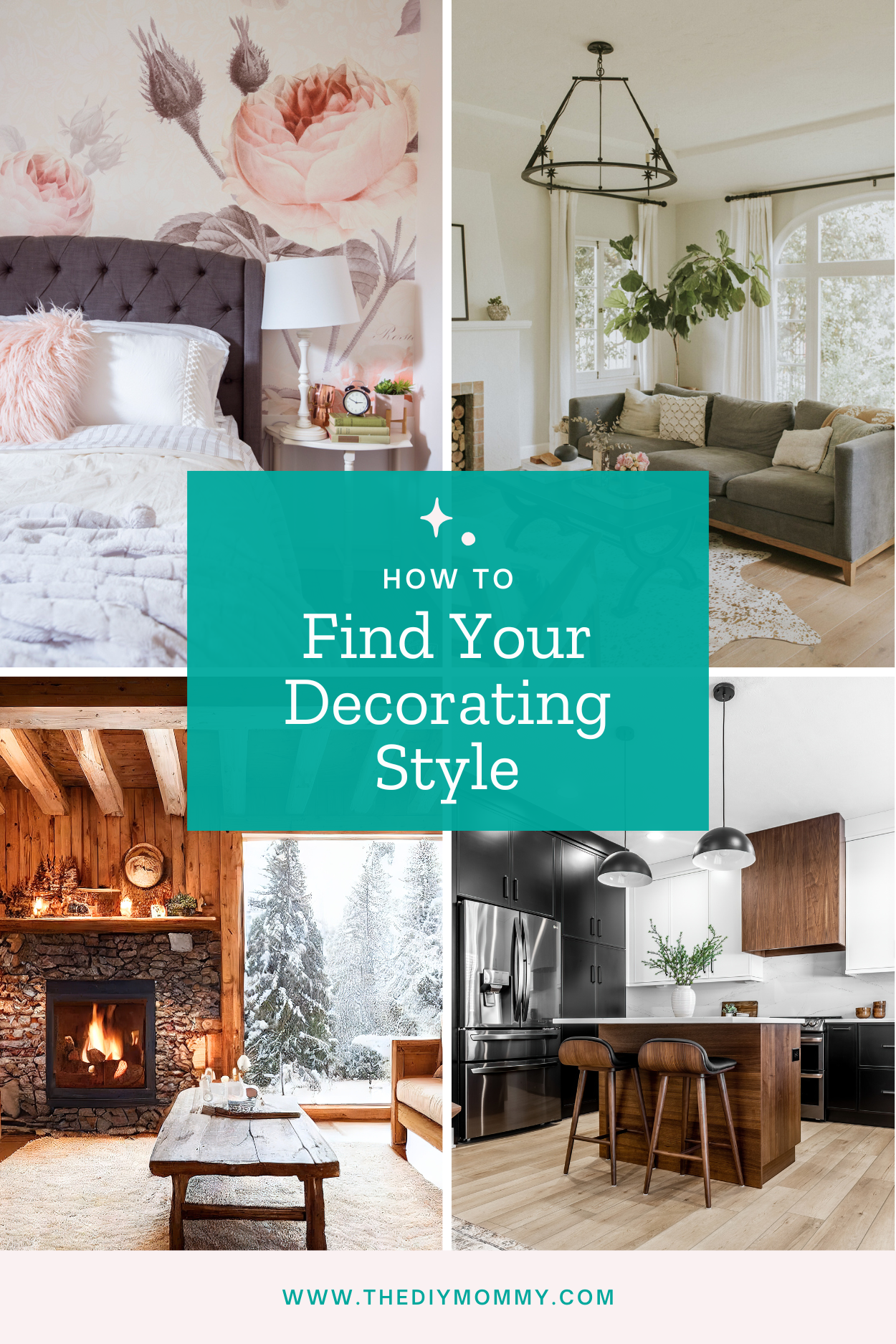
Budget, sourcing, and DIY tips
If you’re still thinking what style is my home decor, shop with a plan. Spend wisely on items that shout your style.
Where to invest
- Sofa, rug, and lighting define the room.
- Large art hangs the story on the wall.
- Good window treatments change the light and mood.
Smart saves
- Use DIY limewash for texture.
- Swap hardware for a quick read change.
- Re-cover throw pillows to shift style fast.
Sourcing ideas
- Modern and Scandinavian: Look for clean lines, light wood, and simple fabric.
- Traditional and transitional: Seek tailored pieces, classic patterns, deep wood.
- Boho and eclectic: Hunt vintage textiles, rattan, and handmade art.
- Industrial and modern farmhouse: Mix metal, reclaimed wood, and black accents.
- Coastal: Target linen, slipcovers, natural fibers, and pale woods.
Sustainability
- Buy fewer, better pieces that last.
- Refinish wood, reupholster frames, and shop secondhand.
- Research materials for low VOC and durability. Research shows air quality and light impact comfort at home.

Common mistakes and easy fixes
You might ask what style is my home decor if the room feels off. Small shifts help fast.
Fix these issues
- Too many styles: Pick one lead style. Repeat it in big pieces.
- No focal point: Create one with art, a rug, or bold lighting.
- Clashing wood tones: Repeat each tone twice or bridge with a rug.
- Flat lighting: Layer overhead, task, and ambient lights.
- Visual clutter: Edit displays. Keep only what you love.
Layout tips
- Float the sofa if it helps traffic.
- Use an 8×10 or larger rug in most living rooms.
- Hang art so the center is about eye level.
Pro tip: In a rushed makeover, I swapped a busy rug for a solid jute, added one large art piece, and matched lamp metals. The space snapped into focus in an hour.
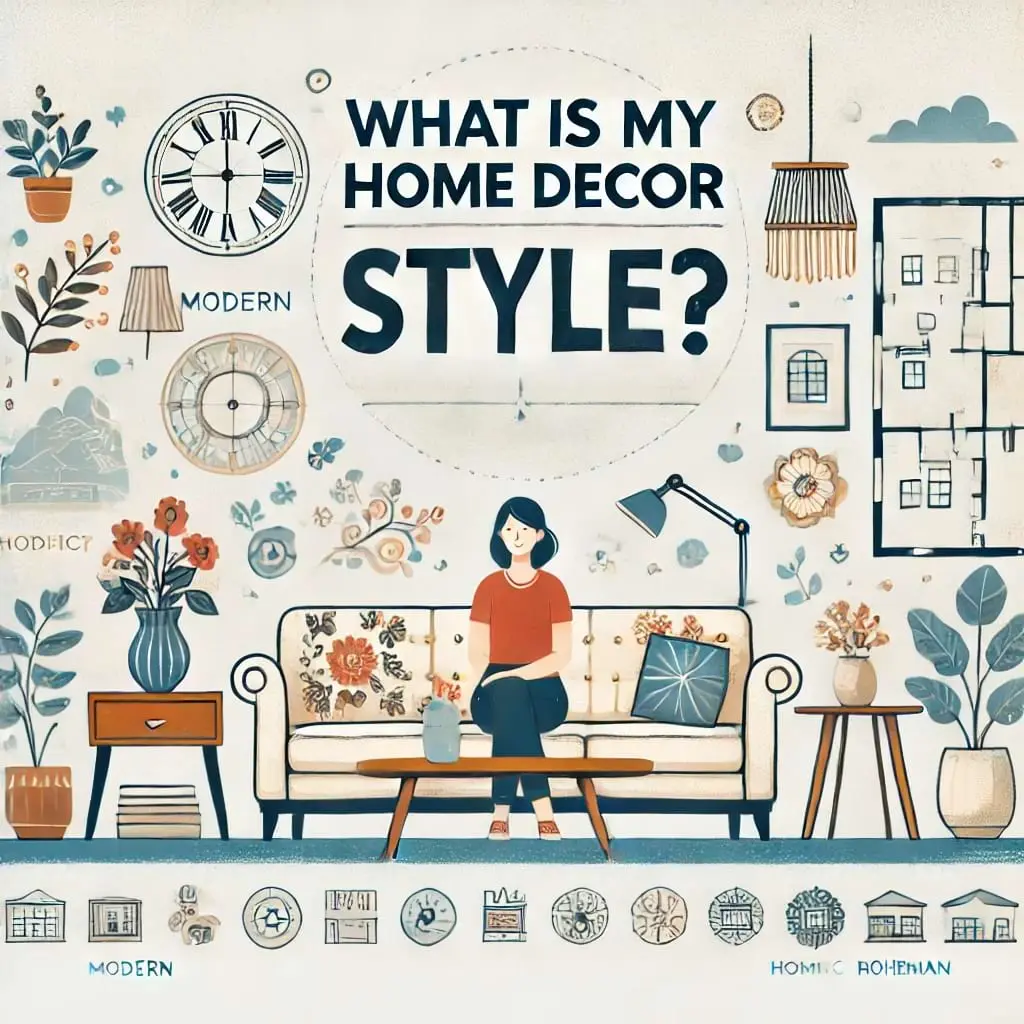
Style that grows with you
Homes evolve. It is normal to revisit what style is my home decor every season.
Easy swaps
- Change pillow covers, throws, or lamp shades.
- Rotate art and books by color.
- Add seasonal stems or branches.
Test a new style
- Start with one corner or a console.
- Add two to three items in the new look.
- If it feels right after two weeks, scale up.
Make it personal
- Frame travel photos in a unified finish.
- Display heirlooms with modern frames for balance.
- Write a one-line brief for your home, like warm, simple, and handmade. Use it to guide buys.
Frequently Asked Questions of what style is my home decor
How do I quickly tell what style is my home decor?
Look at colors, materials, and shapes. If most items share a clear theme, that theme likely names your style.
Can I mix two styles and still know what style is my home decor?
Yes, choose one style as the base and one as an accent. Repeat colors and materials from both so the mix feels planned.
What if my partner and I disagree on what style is my home decor?
Find overlap in shared values like comfort, color, or function. Build a blended look with a 70/30 split so both of you see yourselves in the room.
Does renting limit what style is my home decor?
Not at all. Use rugs, lighting, peel-and-stick, and textiles to express your look without major changes.
How do I make small spaces show what style is my home decor?
Keep the palette tight and the furniture scaled. Use mirrors and vertical storage to reduce clutter and highlight your style choices.
Will trends change what style is my home decor?
Trends will tempt you, but your core style should guide you. Test trends with small items before bigger buys.
Is there a quiz to find what style is my home decor?
Use the 10-minute audit in this guide as your quiz. It reads your actual space, not just your mood.
Conclusion
Your rooms already tell a story. Now you can read it, name it, and refine it. Use the audit, compare core styles, and tweak with color, materials, and scale. Your answer to what style is my home decor will get clearer with every small, smart choice.
Pick one room. Make one change this week. Then notice how it feels. If this guide helped, share it, subscribe for more tips, or drop your style question in the comments.