
Your home decor style is the blend of looks you love and how you live.
If you’ve ever asked what’s my home decor style, you’re in the right place. I help people find a look that fits their taste, budget, and real life. This guide explains styles in plain words, shows how to test them fast, and helps you build a home you love to come back to. Read on to pin down your style with calm and confidence.
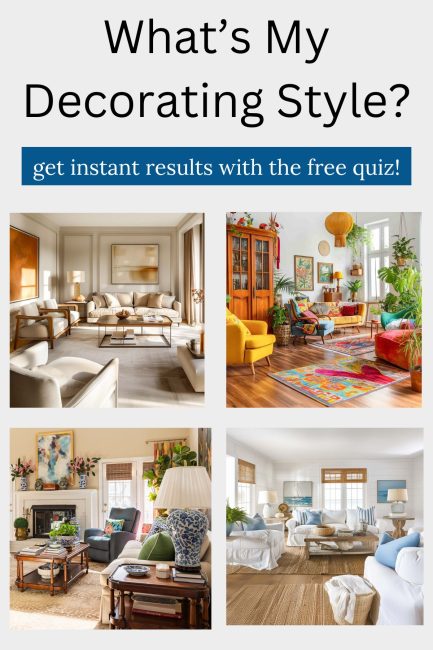 display: block; margin: 0 auto;”
loading=”lazy”
/>
What does “what’s my home decor style” really mean?
Your style is a set of patterns, colors, and shapes you enjoy. It is also how your space works day to day. A room that looks good but fights your habits will never feel right.
Think of style as a recipe. You pick base colors and add textures and accents. The end result should fit your life now. When you ask what’s my home decor style, you are also asking how you want to feel at home.
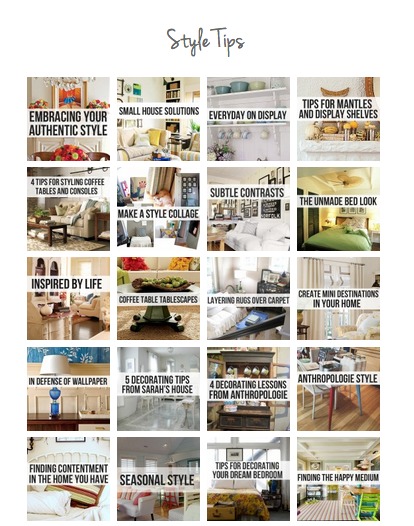
A no-quiz way to find your style fast
You do not need a quiz. You need a small plan and honest choices. Try this:
-
Screenshot three rooms you love
Save them in one folder. Do not overthink. -
Spot the repeats
Look for common colors, wood tones, metals, and shapes. Circles or clean lines? Warm wood or cool stone? -
Name the vibe in three words
Cozy, bright, calm. Or bold, artsy, playful. Keep it simple. -
Check your closet
Your clothes show your taste. Neutrals and simple cuts often point to minimal or Scandinavian. Bold prints may hint at boho or maximalist. -
Audit what you own
Keep what you love. Note the finish and feel. This anchors your style at home. -
Set a style ratio
Choose a mix like 70 percent main style, 20 percent second, 10 percent wild card. -
Do one small test
Swap a lamp shade, add a throw, or change art. Live with it for a week.
If you still wonder what’s my home decor style, repeat with new photos. The pattern will get clear.

Popular home decor styles at a glance
You do not have to fit one box. But knowing the basics helps you shop and plan.
-
Modern
Clean lines, low contrast, smooth surfaces. Neutral colors with strong shapes. Metal, glass, and stone. -
Contemporary
Of the moment. Mixes curves and clean lines. Balanced color and air. -
Mid-century modern
Warm wood, tapered legs, simple forms. Mustard, teal, olive. A bit of retro fun. -
Scandinavian
Light wood, white walls, soft textures. Simple, bright, and cozy. Linen, wool, and plants. -
Japandi
A calm blend of Japanese and Scandi. Low, simple forms. Warm neutrals, black accents. -
Traditional
Symmetry, classic shapes, rich textiles. Deep blues, reds, and creams. Skirts and trim. -
Transitional
A soft bridge from classic to modern. Calm colors. Clean lines with plush fabrics. -
Farmhouse
Warm wood, matte black metal, simple stripes. Cozy and worn-in. Shiplap and vintage signs show up here. -
Industrial
Exposed brick, concrete, steel. Neutral and bold. Raw, urban vibe. -
Boho
Layered rugs and prints. Rattan, fringe, plants. Rich color and global finds. -
Coastal
Light, breezy, and blue tones. Woven textures and white slipcovers. Air and light rule. -
Minimalist
Less stuff, more space. Few colors. Strong light and simple forms. -
Maximalist
Pattern on pattern, deep color, and bold art. More is more, but with care. -
Eclectic
A curated mix. Old and new, high and low. Needs a clear color plan to work.
If you ask what’s my home decor style and like parts of many, you are not alone. Most homes do best with a blend.
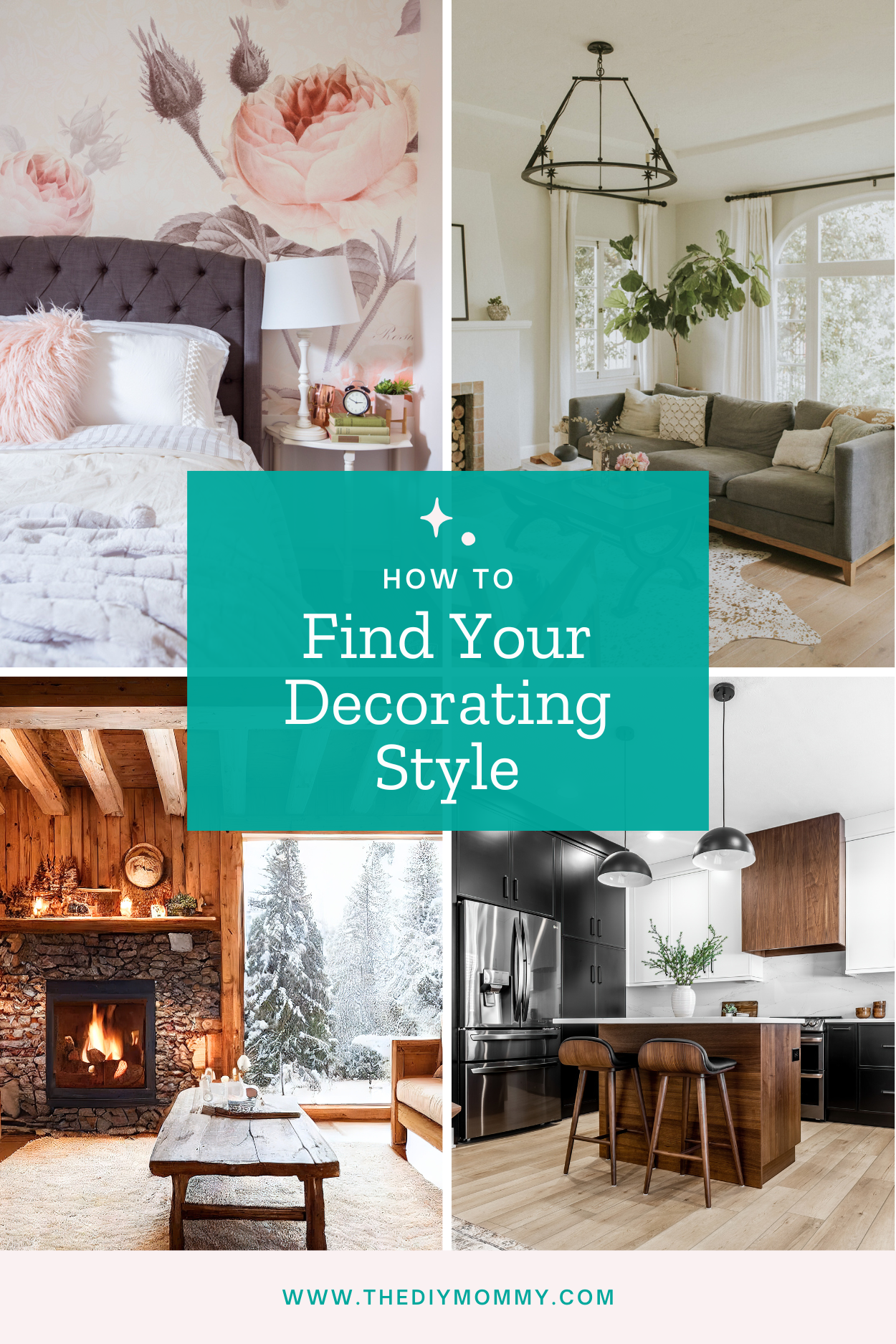
Blend styles without a mess
Mixing styles can look great if you use rules that keep order. These work well in real homes:
-
Use the 60–30–10 rule
60 percent main style, 30 percent second, 10 percent bold accents. -
Keep one color story
Pick three base colors and repeat them room to room. Use one metal tone across spaces. -
Match wood undertones
Warm with warm, cool with cool, or add a clear contrast on purpose. -
Repeat shapes
If a sofa has curves, echo them in a mirror or lamp. -
Choose one hero per room
A rug, art, or light can lead the eye. Let the rest support it.
I use this blend method in client work. It keeps rooms calm but not boring. It also helps answer what’s my home decor style when you like a few looks.

Room-by-room style playbook
Each room has a job. Style should support that job and your habits.
-
Living room
Choose the right sofa first. Then size the rug to the space. Add a dimmer and floor lamp for soft light. -
Bedroom
Go calm with color and texture. Layer two pillows and a throw. Block light well for sleep. -
Kitchen
Clear counters. Use one metal for pulls and taps. Add warm wood or plants to soften all the hard lines. -
Bathroom
Repeat one metal. Use soft towels and a bath mat for texture. Add closed storage for peace. -
Home office
Good light is key. Use a chair that fits you. Add a plant and one art print you love.
If you think what’s my home decor style in each room, keep your core colors the same. Change scale or texture to add interest.

Color, texture, and pattern basics
Color sets mood. Texture adds depth. Pattern brings movement. Use them with care.
-
Color
Warm colors feel cozy. Cool colors feel calm. Studies on color and mood support this general idea. -
Texture
Mix soft with hard. Think linen with leather, matte with gloss. Texture keeps neutrals from feeling flat. -
Pattern
Vary scale. One big, one medium, one small. Repeat colors across patterns.
Fast palettes to try:
- Soft neutral: warm white, sand, oat, matte black
- Calm coastal: white, soft blue, driftwood, seagrass
- Cozy modern: greige, charcoal, walnut, brushed brass
- Playful boho: terracotta, mustard, teal, natural rattan
Ask yourself what’s my home decor style, then pick a palette that supports it.
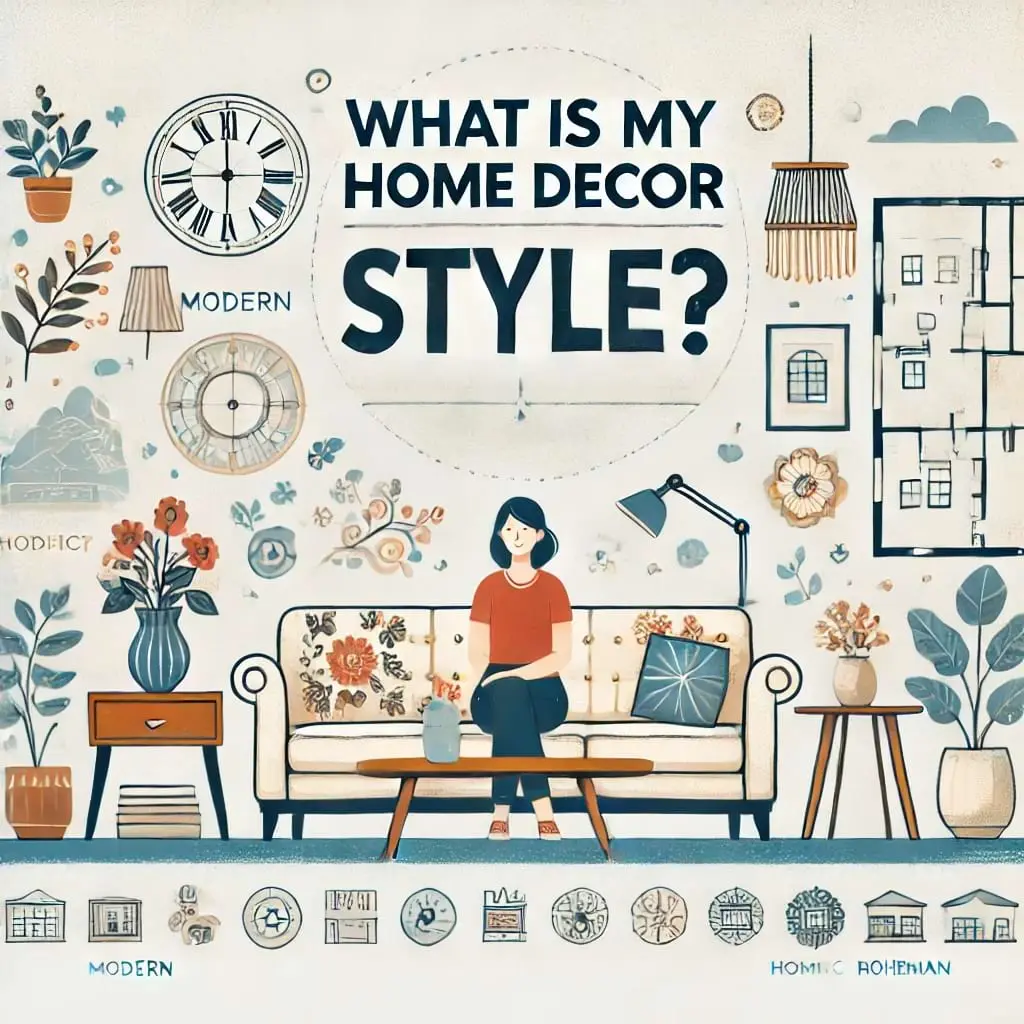
Budget and sourcing guide
Most of us mix high and low. Spend where it matters most, and save where you can.
-
Spend more on
Sofa, mattress, task chair, and a good rug. Large retailers and trade reports note these last the longest and shape comfort. -
Save on
Side tables, decor, lamps, and art prints. Thrift and online marketplaces help a lot. You can upgrade later. -
Shop smart
Measure first. Read reviews. Order fabric swatches. Look for solid wood or metal frames. -
Plan your order
One room at a time. Start big, then finish with small. This avoids returns and stress.
A common data point from home surveys is that a sofa stays 7 to 15 years. This guides my advice to invest there first. If you ask what’s my home decor style on a tight budget, pick one hero piece and let it lead.

Common mistakes and quick fixes
I have made these mistakes too. Here is how to fix them fast.
-
Rug too small
Fix by sizing it so front legs of big pieces sit on it. -
Flat lighting
Add three layers: ceiling, task, and accent. Use warm bulbs in living areas. -
Too many styles
Set a 70–20–10 style ratio and stick to it. -
Cluttered shelves
Group items in threes. Mix heights. Leave some empty space. -
Wall art hung high
Center at eye level, about 57 inches from the floor.
If you keep asking what’s my home decor style and feel stuck, clear surfaces. Then add back only what you love.
Easy weekend upgrades to test your style
Small wins build momentum. Try one or two this week.
-
Swap pillow covers
Test color and pattern for less. -
Paint an accent wall or the ceiling
Light colors can lift a room. Dark colors can add drama. -
Change hardware
New pulls and knobs can shift a kitchen or dresser fast. -
Style a console
Add a lamp, tray, books, and one plant. Done. -
Build a mini mood board
Tape fabric, paint chips, and a print on the wall.
These help you feel your space. They also answer what’s my home decor style without big spends.
Frequently Asked Questions of what's my home decor style
How do I figure out what’s my home decor style if I like everything?
Start with what you use each day and what you already own. Pick one main style and let others be accents, not equals.
Is it okay to mix modern and traditional?
Yes. Keep one color story and repeat shapes. Use modern lines with classic fabrics for a balanced look.
What size rug should I buy for my living room?
Choose a size where front legs of sofas and chairs sit on the rug. This anchors the room and feels cozy.
How many colors should I use in a room?
Three to five is a safe range. Use one main, one support, and one or two accents.
Do I need to paint walls to change my style?
No. Swap textiles, art, and lighting first. Paint can come later once your plan is clear.
How can lighting affect what’s my home decor style?
Lighting sets mood and shows color right. Use warm bulbs in living zones and cooler bulbs for task areas.
What’s the fastest way to test a new look?
Change pillow covers, a throw, or a lamp shade. Live with it for a week and note how you feel.
Conclusion
Your style is not a quiz result. It is a set of choices that help your home feel like you. When you ask what’s my home decor style, look at your habits, pick a color story, and build in small steps. Invest in the big pieces, mix textures, and repeat shapes to keep the room calm.
Start today with one small test. Save three rooms you love and name your vibe in three words. Want more help? Subscribe for room checklists, budget guides, and weekly style tips.