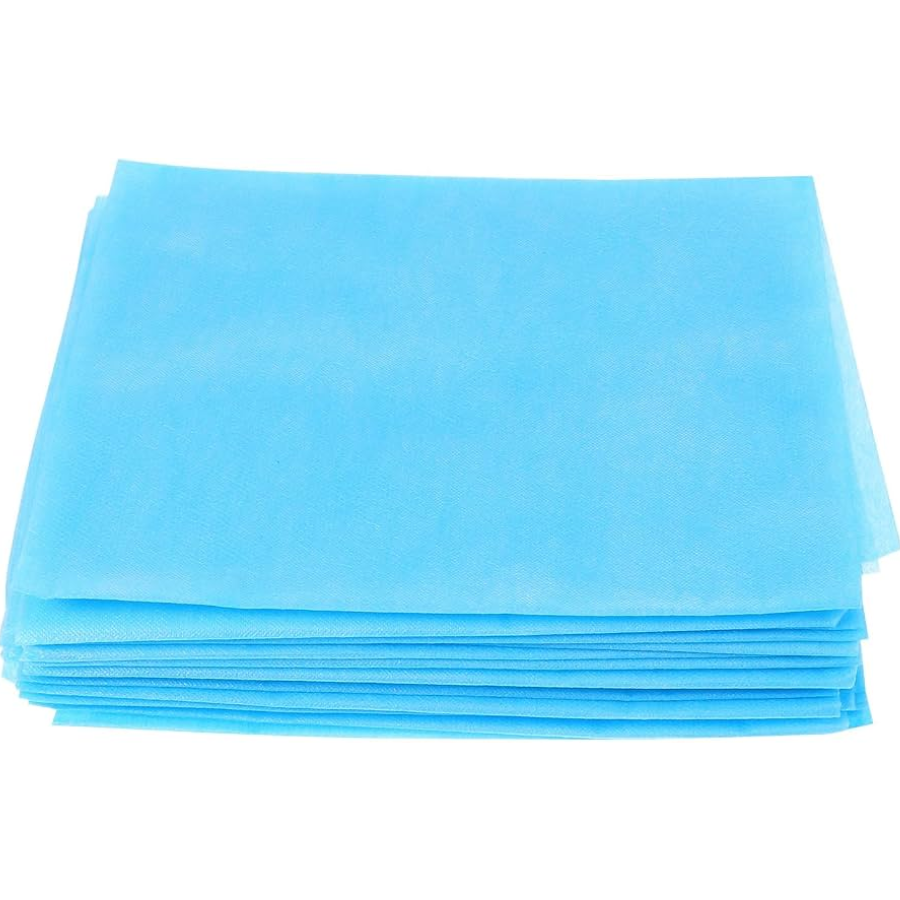
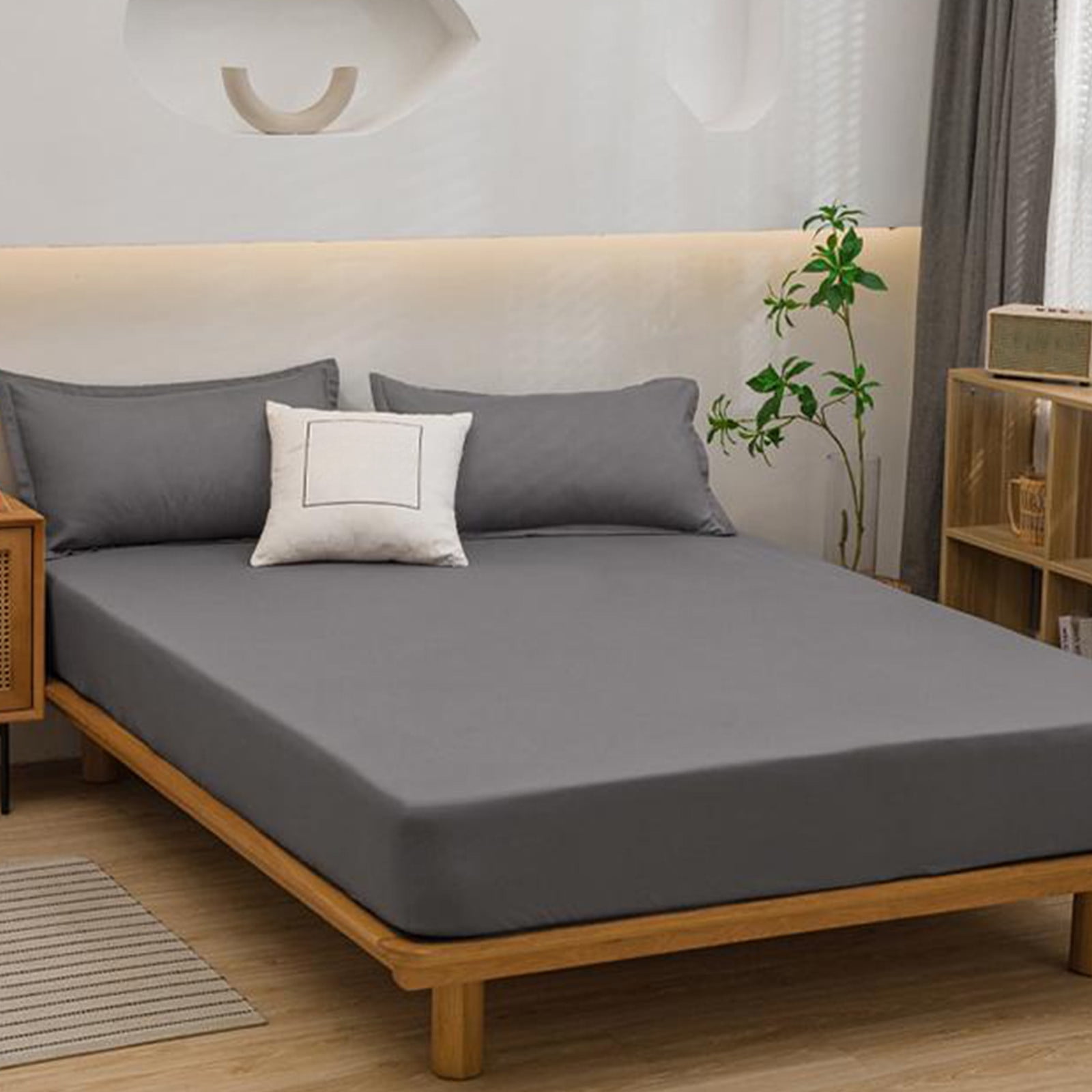
A bed cover is a fabric layer placed over a bed to protect the bedding, add comfort, or improve the bedroom’s appearance. Depending on its design, it may cover the mattress, sheets, or the entire bed.
In American homes, a bed cover can mean several things. It may refer to a fitted mattress cover, a decorative bedspread, a lightweight coverlet, or a large layer that sits over the sheets and blankets. The exact meaning often depends on the product, its shape, and how the seller describes it.
Think of a bed as a set of layers. The mattress supports your body, the fitted sheet covers the sleeping surface, and blankets or comforters provide warmth. A bed cover may sit above or below some of these layers. Some types also help keep dust, spills, and everyday wear away from the mattress.
This distinction matters when shopping in the United States. A product listed as a bed cover may be a simple fitted sheet or a thick quilted protector. Those items do not perform the same job. Knowing what each layer does can help you choose the right size, fabric, and level of protection without buying something you do not need.
This guide explains the meaning of a bed cover, the main types available, how each one works, and how to choose the right option for your bedroom. It also explains common product-label terms so you can tell a decorative cover from a mattress protector before placing an order.
A bed cover is a general name for a textile layer that covers some or all of a bed. It can be made from cotton, polyester, linen, microfiber, a cotton blend, or other fabrics. Some covers are thin and flexible, while others have padding or a quilted design.
The term does not describe one fixed product. In a bedding store, a bed cover may mean a decorative layer placed over the sheets. On an online marketplace, it may describe a fitted fabric that wraps around a mattress. In some product listings, it can even refer to a waterproof mattress protector.
The main purpose depends on the construction. A decorative cover makes the bed look neat and can add a light layer of warmth. A fitted cover stays around the mattress and helps protect its surface. A quilted cover may provide both a finished appearance and a small amount of padding.
For this reason, it is useful to look beyond the product name. Check whether the item has elastic edges, a flat rectangular shape, a waterproof layer, or stitched filling. These features reveal what the cover is designed to do.
Source: m.media-amazon.com
Appearance
A decorative bed cover hides rumpled sheets and creates a more finished look in a bedroom.
Protection
A mattress cover or protector forms a barrier against some dirt, stains, dust, and moisture, depending on its design.
Comfort
A quilted or padded cover can add a soft layer, although it may not provide the warmth of a full comforter.
Convenience
A washable cover can be easier to clean than a large comforter or other bulky bedding layer.
Is Bed Cover a General Term or a Specific Product?
Bed cover is best understood as a general term unless a seller provides a more precise product description. It can describe a bedspread, coverlet, quilt, fitted sheet, or mattress protector. The surrounding product details determine which meaning applies.
For example, a listing that mentions elastic corners and mattress depth is likely describing a fitted mattress cover. A listing that gives a large top-to-drop measurement may describe a bedspread. A product with a waterproof backing is more likely to be a mattress protector.
Check the shape
A fitted design usually wraps around a mattress, while a flat design rests on top of the bed.
Check the construction
Padding, quilting, elastic, and waterproof membranes help identify the intended function.
What Are the Main Types of Bed Covers?
The main types of bed covers include bedspreads, coverlets, quilts, comforters, fitted mattress covers, and mattress protectors. Each type has a different shape, thickness, and purpose. Some are made mainly for decoration, while others focus on warmth or protection.
Understanding these differences makes shopping easier. Two products may both be called bed covers, yet one may cover the entire bed and another may only cover the mattress. The following descriptions explain what to expect from each type.
Source: i5.walmartimages.com
Bedspread
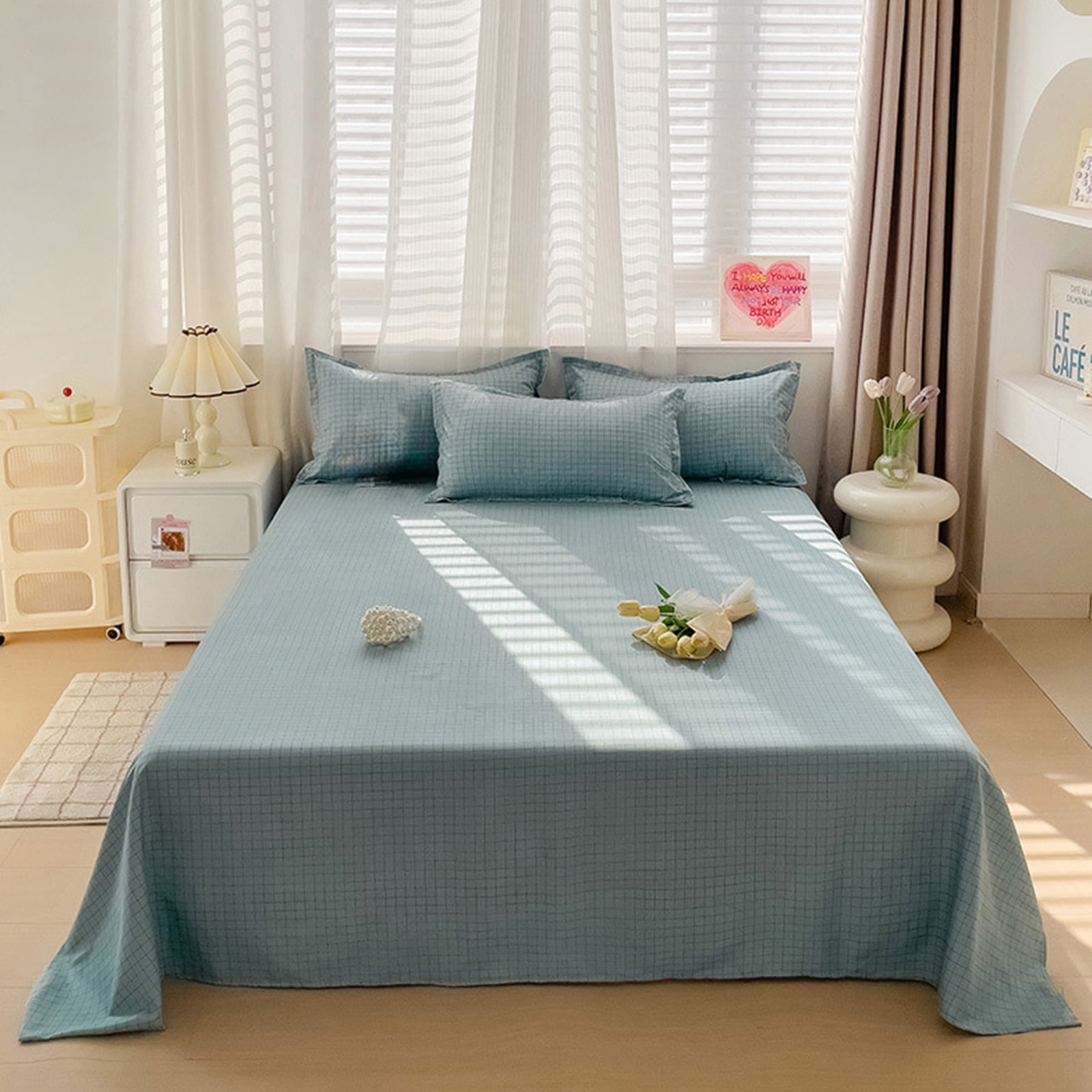
A bedspread is a decorative cover designed to cover most or all of the bed. Many styles extend down the sides and may reach close to the floor.
Coverlet
A coverlet is usually a lightweight decorative layer placed over sheets or other bedding. It often has a neat, tailored appearance.
Quilt
A quilt has layers of fabric and filling held together with stitching. It can add warmth and texture to a bed.
Comforter
A comforter is a filled bedding layer designed mainly to provide warmth. It is commonly placed over sheets and may be used with a separate duvet cover or without one.
Fitted mattress cover
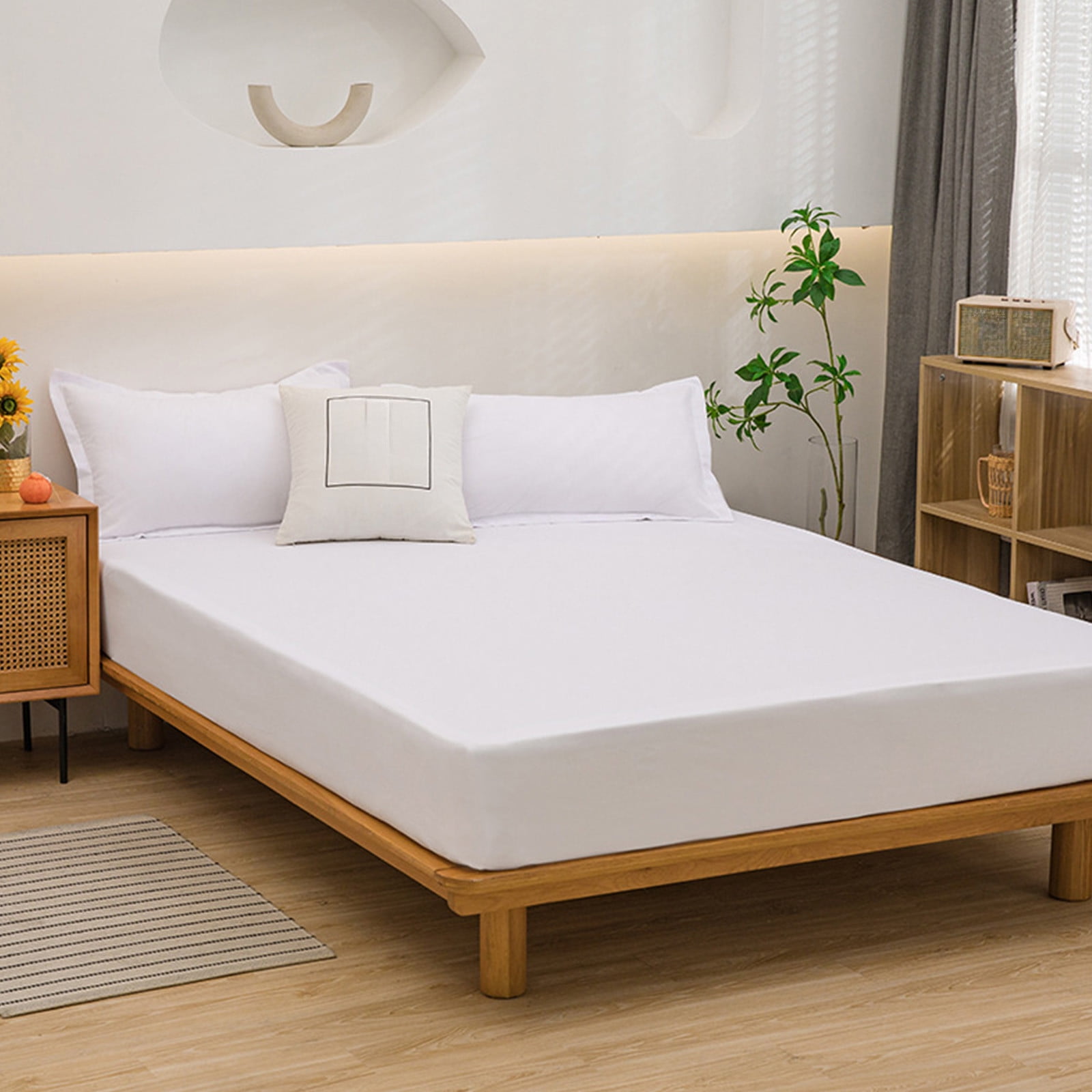
A fitted cover stretches over the mattress and often has elastic around its edges. It may protect the mattress or provide a washable fabric surface.
Mattress protector
A mattress protector is designed to help shield the mattress from spills, sweat, stains, and other forms of everyday exposure. Some models are waterproof.
Bedspread: A Full Decorative Layer
A bedspread is a large piece of fabric that covers the top and sides of a bed. It can create a tidy appearance without requiring several decorative layers. Some designs are thin and smooth, while others have textured stitching or a quilted finish.
A bedspread can be useful in a guest room or a bedroom where you want the bed to look neat during the day. Before buying one, check its length and width. A bedspread that is too short may leave the mattress sides exposed.
Best for
People who want a single decorative layer that covers a large part of the bed.
Main limitation
It may not provide enough warmth for sleeping in a cold room.
Coverlet: A Lightweight Top Layer
A coverlet is generally lighter and less bulky than a comforter. It sits above the sheets and can be used alone in warm weather or with other bedding in cooler weather. Its clean shape also makes it useful for layered bedroom designs.
A coverlet is not always large enough to hide the mattress sides. Its size and intended style vary by manufacturer, so check the dimensions rather than assuming it will cover the full bed.
Best for
Warm rooms, simple bedding arrangements, and people who prefer a light top layer.
Main limitation
It may need a blanket underneath when more warmth is required.
Quilt: A Layered and Stitched Cover
A quilt usually has a top fabric, a middle layer of batting or filling, and a backing fabric. Stitching holds these layers together. This construction gives a quilt its familiar patterned surface and helps keep the filling in place.
Quilts come in many weights. A thin quilt can work as a summer bed layer, while a thicker one may offer more warmth. The word quilt alone does not tell you how warm the item will be.
Best for
People who want texture, a stitched design, and a flexible layer for different seasons.
Main limitation
Warmth depends on the filling, fabric, and overall construction.
Comforter: A Cover Designed for Warmth
A comforter is a thick bedding item filled with down, down alternatives, cotton, polyester, or other materials. Its main job is to keep the sleeper warm. Unlike a simple decorative cover, it has an insulated structure.
A comforter may be used as the visible top layer of a bed. Some people place it inside a duvet cover to make cleaning easier. A duvet cover is a removable fabric shell, not the same thing as the comforter inside it.
Best for
People who need a warm, padded layer for sleeping.
Main limitation
A thick comforter may feel too warm in hot or humid rooms.
What Is the Difference Between a Bed Cover and a Mattress Protector?
A bed cover may be decorative, protective, or both, but a mattress protector has a more specific purpose. It is designed to protect the mattress itself. A decorative bedspread usually sits above the sheets and does not provide the same direct barrier against spills or moisture.
A mattress protector typically fits around the mattress like a fitted sheet or encloses it with a zippered design. Some use a waterproof membrane beneath a fabric surface. Others focus on basic protection from dirt and everyday wear without claiming to be waterproof.
The difference matters because a decorative cover cannot be assumed to prevent liquid from reaching the mattress. If spill protection is your main concern, look for a product that clearly states its protective features and explains how it fits.
Source: cbu01.alicdn.com
Bed cover
A broad category that may include decorative covers, quilts, fitted mattress covers, and other bedding layers.
Mattress protector
A specific product designed to reduce exposure of the mattress to spills, stains, and other contaminants.
Fitted sheet
A washable fabric layer that covers the sleeping surface and usually has elastic corners or edges.
Does Every Bed Cover Protect a Mattress?
No. A decorative bedspread or coverlet may cover the mattress visually, but that does not mean it blocks water or stains. A regular cotton or polyester fabric can absorb liquid and allow it to pass through.
A product needs suitable construction to provide a specific level of protection. Look for clear statements about waterproofing, the type of barrier, and the areas of the mattress that are covered. Do not assume that words such as protective or mattress cover guarantee a waterproof design.
For spills
Choose a mattress protector that is explicitly labeled waterproof if liquid protection is needed.
For basic cleanliness
A washable fitted cover or mattress protector may help reduce direct contact with dirt and body oils.
For appearance
Choose a bedspread, quilt, or coverlet that fits the bed and matches the room.
What Materials Are Used to Make Bed Covers?
Bed covers are made from natural fibers, synthetic fibers, or blends. The material affects softness, airflow, weight, durability, appearance, and care. There is no single fabric that works best for every bedroom.
Cotton is a common choice for everyday bedding because it is soft and available in many weaves. Polyester is often used for affordable, easy-care covers. Linen has a textured feel and is often chosen for its relaxed appearance. Microfiber is a fine synthetic fabric that can feel smooth and lightweight.
The fabric label is only part of the decision. Weave, thickness, filling, backing, and surface treatment also affect how a cover feels and performs. For example, a thick polyester quilt and a thin polyester sheet can behave very differently.
Source: s.alicdn.com
Cotton
A widely used natural fiber that is available in lightweight sheets, textured quilts, and heavier bedding. Its feel depends on the weave and finish.
Polyester
A synthetic fiber often used in budget-friendly and easy-care bedding. It can be durable, but some constructions may feel less breathable than lightweight cotton.
Microfiber
A fabric made from very fine synthetic fibers. It is often smooth and light, though heat retention varies by construction.
Linen
A natural fiber with a distinctive texture. It is often selected for its relaxed look and airflow, but it can wrinkle easily.
Cotton-polyester blend
A mixed fabric that combines properties of both fibers. The exact balance affects softness, care, and feel.
Which Bed Cover Material Is Best for Hot Weather?
For a warm bedroom, start with a lightweight cover made from breathable fabric. Cotton and linen are common options to consider. A thin coverlet or sheet-style layer may feel more comfortable than a thick quilt or padded comforter.
Fabric alone does not control sleeping temperature. Room humidity, airflow, mattress materials, clothing, and the thickness of the full bedding setup all play a part. If you often feel hot at night, reducing heavy layers may help more than changing the decorative cover alone.
Choose a light weave
Look for a lightweight construction instead of a thick padded design.
Check the care label
A cover that is easy to wash may be more practical in warm weather when bedding needs frequent cleaning.
Are Polyester Bed Covers a Good Choice?
Polyester bed covers can be practical when you want a low-maintenance fabric at a lower purchase cost. Many are machine washable, resist wrinkles, and come in a wide range of colors. These features can make them suitable for guest rooms and everyday use.
However, polyester does not feel the same in every product. A dense fabric or thick filling may retain more heat than a lightweight construction. Check the product details and care instructions before choosing one for a warm bedroom.
Useful feature
Many polyester covers are designed for simple routine care.
Possible drawback
Some heavier polyester products may feel warm or less airy.
How to Choose the Right Bed Cover
Choose a bed cover by deciding what you need it to do first. A decorative cover, a warm sleeping layer, and a waterproof mattress protector are different purchases. Once you know the purpose, compare the size, material, fit, care instructions, and construction.
Start by measuring the bed rather than relying only on the size printed on the package. A queen bed cover may fit one queen mattress but still have a different drop length from another product. If you want fabric to hang over the sides, the product dimensions matter as much as the mattress size.
Next, consider the room and the people who use the bed. A guest room may need a simple, washable cover. A child’s bed may benefit from a washable protective layer. A main bedroom may need a decorative cover that coordinates with the sheets and other furnishings.
Source: i5.walmartimages.com
Purpose
Decide whether you need decoration, warmth, mattress protection, or a combination of these functions.
Size
Compare the listed length and width with your mattress measurements and the amount of side coverage you want.
Material
Choose a fabric that suits your preferred feel, room temperature, and cleaning routine.
Fit
Check for elastic edges, deep pockets, ties, or a flat shape, depending on how the cover should sit.
Care
Read the washing and drying instructions before buying, especially for quilted, waterproof, or delicate products.
Measure Your Mattress Before Buying
Measure the mattress width, length, and depth. Width and length help you choose the correct bed size, while depth matters when buying a fitted cover. A thick pillow-top mattress may need a deeper fitted design than a standard mattress.
For a decorative bedspread, consider how far you want the fabric to hang over each side. Add the desired side drop to the mattress width when estimating the cover width. Do the same for the length if you want coverage beyond the foot of the bed.
Mattress width
Measure from one side edge to the other.
Mattress length
Measure from the head of the mattress to the foot.
Mattress depth
Measure from the bottom edge to the top sleeping surface, including any pillow top.
Desired drop
Decide how far a decorative cover should extend down the sides.
Compare Common US Bed Sizes
US mattress sizes provide a useful starting point, but they do not guarantee that every bed cover will fit the same way. The table below gives common standard mattress dimensions. A cover usually needs extra fabric beyond these measurements to wrap around the sides or hang down.
Twin
Approximately 38 inches wide by 75 inches long.
Twin XL
Approximately 38 inches wide by 80 inches long.
Full
Approximately 54 inches wide by 75 inches long.
Queen
Approximately 60 inches wide by 80 inches long.
King
Approximately 76 inches wide by 80 inches long.
California King
Approximately 72 inches wide by 84 inches long.
How to Use and Care for a Bed Cover
Use a bed cover according to its design. A fitted mattress cover goes directly over the mattress, while a decorative bedspread or coverlet usually goes above the sheets. A comforter is generally placed over the sleeper as a warm top layer.
For a simple bedding setup, place the mattress protector over the mattress first, if you use one. Add the fitted sheet, then place your blanket or comforter on top. A decorative cover can go over the finished bedding during the day and be removed or folded back at bedtime.
Care depends on the material and construction. Some cotton and polyester covers can be machine washed, while delicate fabrics or items with special coatings may require different treatment. Always follow the care label rather than assuming every bed cover can go through a hot wash or dryer.
Source: i5.walmartimages.com
Read the label
Check the recommended water temperature, wash cycle, detergent guidance, and drying method.
Avoid excess heat
High dryer temperatures may shrink some fabrics or damage waterproof layers and elastic.
Wash when needed
Clean the cover based on its use, visible dirt, spills, and the manufacturer’s care instructions.
Store it dry
Make sure the cover is fully dry before folding it away to reduce the risk of musty odors and mildew.
How Often Should You Wash a Bed Cover?
There is no single washing schedule for every type of bed cover. A decorative cover that rarely touches the sleeper may need less frequent washing than a fitted cover used directly against the body. A mattress protector may also have different cleaning needs depending on spills and its care instructions.
Wash a cover sooner if it becomes visibly dirty, absorbs a spill, or develops an odor. For routine care, follow the manufacturer’s instructions and consider how often the item comes into direct contact with skin, pets, or other sources of dirt.
Fitted covers
Clean them according to their direct use and the care label.
Decorative covers
Wash when needed to remove dust, dirt, and stains, while following the fabric instructions.
Waterproof protectors
Use the specified wash and drying method to avoid damaging the protective membrane.
Can You Put a Bed Cover in the Washing Machine?
Many lightweight bed covers are machine washable, but not all of them are. Large bedspreads and thick quilts may be too bulky for a small home washer. Waterproof covers may also have special instructions that limit water temperature or drying heat.
Check the care label and the capacity of your washing machine. If the cover cannot move freely inside the drum, it may not clean properly. A large or delicate item may need a suitably sized commercial washer or professional cleaning, depending on its label.
Before washing
Close fasteners, check for stains, and review the care instructions.
During washing
Use the recommended cycle and avoid overloading the machine.
After washing
Dry the item fully before putting it back on the bed or storing it.
Common Bed Cover Buying Mistakes
The most common buying mistake is choosing a product based on its name alone. The words bed cover, mattress cover, and bedspread can describe different items across online stores. A careful check of the product photographs, measurements, and construction can prevent a poor fit.
Another mistake is assuming that every cover offers waterproof protection or adds meaningful warmth. A thin decorative layer may not protect against spills, and a lightweight coverlet may not replace a comforter in a cold room. Match the product to the job instead of expecting one item to do everything.
Source: s.alicdn.com
Buying the wrong size
A mattress-size label does not always show how much fabric will hang over the sides. Compare the actual dimensions before ordering.
Confusing a sheet with a protector
A fitted sheet covers the sleeping surface but is not automatically waterproof or designed to protect the mattress from spills.
Ignoring mattress depth
A fitted cover with shallow pockets may slip off a thick mattress or fail to cover its sides.
Choosing a heavy fabric for a hot room
Thick padding can add unwanted warmth. Consider a lightweight cover if the room is often warm.
Ignoring care instructions
A cover that needs special cleaning may be inconvenient for daily use, especially in a busy household.
Assuming all protective claims are equal
Check whether the item is actually labeled waterproof and whether its design covers the areas you need to protect.
What Should You Check in an Online Bed Cover Listing?
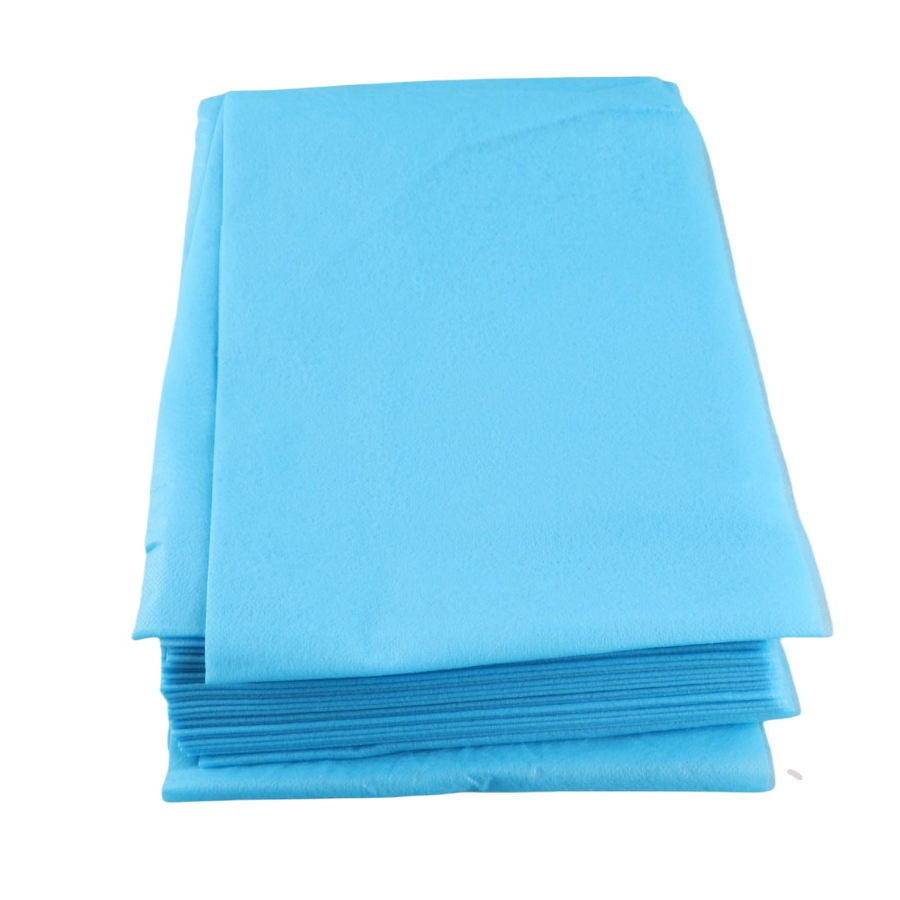
Online product photographs can make a thin sheet look like a thick mattress protector. A close look at the written specifications is more useful than the product title alone. Read the material, dimensions, thickness, fitting method, and cleaning instructions.
Also check how many pieces are included. Some bedding sets contain a cover and matching pillow shams, while other listings sell only one cover. Make sure the product description matches what you expect to receive.
Product dimensions
Confirm the length, width, and mattress depth requirements.
Included pieces
Check whether pillowcases, shams, or other accessories are included or sold separately.
Material details
Look for the fabric composition and any filling or backing materials.
Protection claims
Find clear details about water resistance, waterproofing, or stain protection.
Care instructions
Check whether the cover is machine washable and whether special drying rules apply.
Which Type of Bed Cover Should You Choose?
The best type depends on the problem you want to solve. If your goal is a tidy bedroom, a bedspread or coverlet may be enough. If you want more warmth, a quilt or comforter is more suitable. If you need to protect the mattress, choose a fitted mattress protector with the features you need.
You do not always need several different products. A simple setup may include a mattress protector, a fitted sheet, and one suitable top layer. Add a decorative bedspread only if you want extra coverage or a different look during the day.
Think about the room’s temperature and your cleaning routine as well. A lightweight cotton cover may work well in a warm bedroom, while a quilt or comforter may be more useful during colder months. A removable, washable layer can also make everyday care easier.
Source: i5.walmartimages.com
For bedroom decoration
Choose a bedspread or coverlet based on its color, texture, dimensions, and desired side coverage.
For extra warmth
Choose a quilt or comforter with a suitable thickness and filling.
For mattress protection
Choose a fitted mattress protector designed for your mattress depth and required level of protection.
For everyday simplicity
Choose an easy-care cover that fits properly and follows a manageable washing routine.
For warm climates
Consider a lightweight sheet-style cover or coverlet instead of a thick padded layer.
A Simple Example for a US Bedroom
Imagine a household in Texas with a queen mattress and a warm bedroom. The household wants to protect the mattress, keep the bed neat, and avoid heavy bedding. A fitted mattress protector under the sheet can address the protection need, while a lightweight coverlet can provide a clean daytime appearance.
Now consider a guest bedroom in a colder part of the United States. A quilt or comforter may be more useful for warmth, while a decorative bedspread can help keep the bed looking tidy when guests are not using it. These examples show why the intended use matters more than the general label bed cover.
Warm bedroom
Use a breathable fitted sheet, a suitable mattress protector, and a lightweight top layer.
Cold bedroom
Use a fitted sheet with a quilt or comforter for warmth, adding a bedspread if desired.
Guest bedroom
Choose bedding that is easy to wash, simple to store, and suitable for occasional use.
Frequently Asked Questions
Q
Is a bed cover the same as a bedspread?
No. A bed cover is a broad term for a fabric layer that covers a bed or mattress. A bedspread is one specific type of decorative bed cover, usually designed to extend over the top and sides of the bed.
A fitted mattress cover, quilt, and coverlet may also be described as bed covers. Check the product’s shape and measurements to identify the exact type.
Q
What is the difference between a bed cover and a bedsheet?
A bedsheet is a fabric layer used directly around the sleeping surface. A fitted sheet has elastic edges that hold it around the mattress, while a flat sheet lies loosely over the sleeper or mattress.
A bed cover may be a sheet, but it can also be a quilt, bedspread, coverlet, or protective mattress layer. The term is broader than bedsheet.
Q
Can a bed cover be used without a blanket?
Yes, if the cover provides enough comfort and warmth for the room. A lightweight coverlet may be suitable in warm weather, while a thin decorative bedspread may not provide enough insulation for sleeping.
Choose based on room temperature and personal comfort. You can always add a blanket or comforter when extra warmth is needed.
Q
Does a bed cover go over or under the bedsheet?
A decorative bed cover usually goes over the bedsheet and other bedding. A fitted mattress cover or mattress protector goes directly over the mattress, underneath the fitted bedsheet.
The correct position depends on the product’s purpose. Follow the manufacturer’s instructions, especially for waterproof protectors and fitted covers.
Q
What size bed cover should I buy for a queen bed?
A standard US queen mattress measures approximately 60 inches wide by 80 inches long. However, a decorative bed cover needs extra fabric if you want it to hang over the sides and foot of the bed.
For a fitted mattress cover, check the mattress depth as well as its width and length. Compare the actual product dimensions with your mattress before ordering.
Q
Are bed covers waterproof?
Some bed covers are waterproof, but most decorative bedspreads, coverlets, and ordinary sheets are not. A waterproof mattress protector usually includes a barrier designed to help stop liquid from reaching the mattress.
Look for an explicit waterproof claim and check the product construction. Water-resistant and waterproof do not always mean the same thing.
Q
What is the easiest bed cover to maintain?
A simple cotton or polyester cover may be easy to maintain if its care label allows machine washing and routine drying. The easiest option depends on the fabric, size, stitching, and washing machine capacity.
Before buying, check the care instructions and avoid products that require cleaning methods you cannot manage.
✦ Wrapping Up
Conclusion
A bed cover is a general term for a fabric layer that covers a mattress or existing bedding. It may serve a decorative purpose, provide warmth, or help protect the mattress. The main types include bedspreads, coverlets, quilts, comforters, fitted mattress covers, and mattress protectors.
The most important step is to identify the job you want the cover to do. A decorative bedspread will not replace a waterproof mattress protector, and a thin coverlet may not provide the warmth of a comforter. The right choice comes down to purpose, fit, fabric, room temperature, and care needs.
Before buying, measure your mattress, read the full product description, and check the washing instructions. These simple checks can help you avoid the wrong size or a product that does not meet your needs.
💡 Key Takeaway
Measure your mattress and decide whether you need decoration, warmth, or protection first. Then choose a bed cover whose material, dimensions, construction, and care instructions match that purpose.