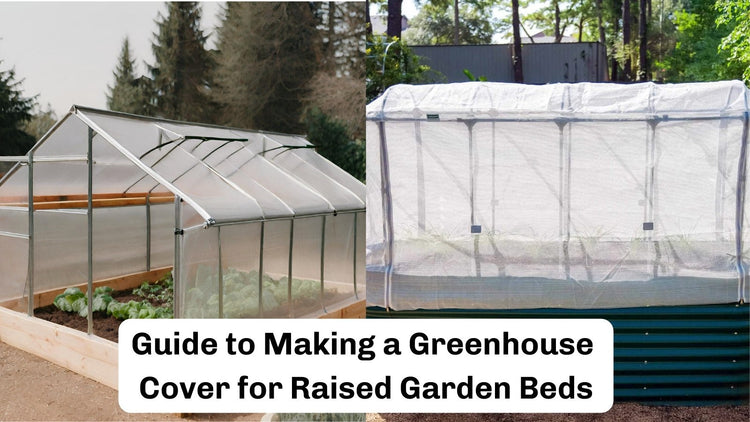
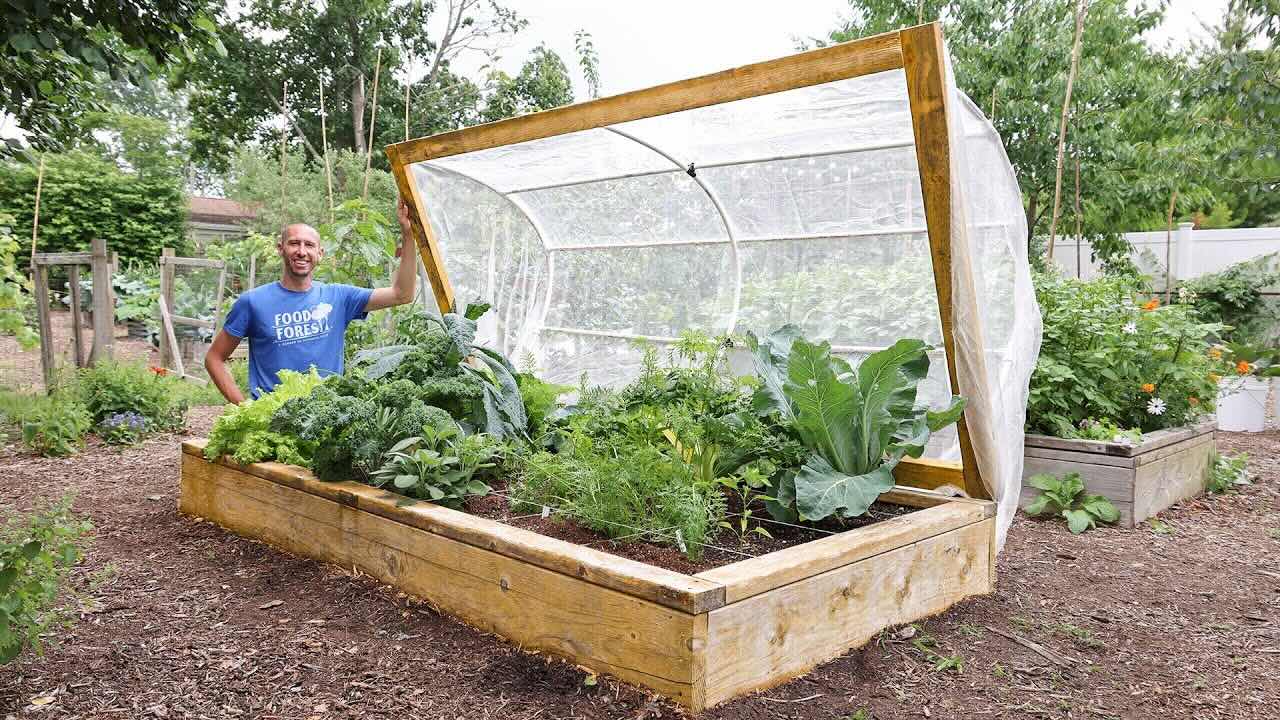
To cover a raised garden bed, install flexible hoops or a simple frame, drape suitable garden fabric, mesh, or plastic over it, and secure the edges. Choose the material based on whether you need protection from frost, insects, birds, strong sun, or heavy rain.
Across the United States, raised garden beds help homeowners grow vegetables, herbs, and flowers in small yards, suburban gardens, and community plots. However, outdoor beds face changing weather throughout the year. A sudden spring frost, hungry insects, strong summer sun, or visiting birds can damage plants before they are ready to harvest.
A well-planned cover acts like a small protective roof for your garden. It can block unwanted pests, soften harsh weather, and help extend the growing season. You do not need an expensive greenhouse or special building skills to make one. PVC pipes, garden fabric, mesh, wood strips, and simple clips can create a useful cover with basic tools.
The right design depends on your plants and local growing conditions. A breathable fabric works well for many cool-season crops, while insect mesh helps protect plants from pests without trapping as much heat. Clear plastic can help retain warmth during cold weather, but it needs careful ventilation on sunny days.
This guide explains how to choose a cover, measure your raised bed, build a simple hoop frame, and install the material securely. It also covers watering, pollination, seasonal changes, and common mistakes so your garden stays protected without limiting healthy plant growth.
Covering a raised garden bed helps protect plants from conditions that can damage leaves, flowers, and young vegetables. Raised beds often warm up faster than nearby ground soil, but their exposed sides and open tops can also make them vulnerable to changing temperatures and wind.
A cover creates a barrier between your crops and the outside environment. Depending on the material, it can reduce insect damage, limit bird access, protect tender seedlings from cold air, or provide shade during hot weather.
A cover can also make gardening easier. Instead of chasing away birds or picking insects off every leaf, you can prevent some problems before they begin. The key is to match the cover to the actual threat rather than sealing the entire bed with an unsuitable material.
Source: garden.eco
Protection From Frost
Breathable frost fabric can help hold some warmth around plants during cool nights. The amount of protection depends on the material, its weight, and the weather.
Insect Control
Fine insect mesh can keep selected pests away from crops such as cabbage, kale, lettuce, and other vegetables when the edges are properly sealed.
Bird and Animal Protection
Suitable netting or a sturdy framed enclosure can reduce damage from birds, rabbits, and other garden visitors.
Sun and Heat Management
Shade cloth can reduce direct sunlight during hot weather and help protect crops that struggle with intense afternoon sun.
Weather Protection
A raised cover with suitable plastic or another weather-resistant material can reduce direct exposure to heavy rain and wind-driven debris.
Does Every Raised Garden Bed Need a Cover?
No. A raised garden bed does not need to remain covered throughout the year. Healthy plants can grow well in an open bed when the weather is suitable and pests are under control.
A temporary cover is most useful when a specific risk appears. For example, cover young cabbage plants before common insect pests arrive, or protect tender spring seedlings when a late frost is forecast. Remove the cover when the reason for using it no longer exists.
Choose the Best Material for Your Raised Garden Bed Cover
The best covering material depends on what you want to protect. Some materials allow air and water to pass through, while others hold heat or block direct sunlight. Choosing the wrong type can create more problems than it solves.
Before buying anything, consider the plants inside the bed, the expected weather, and how often you need to access the garden. Also think about whether the cover will stay in place for a few days or remain installed for an entire growing season.
Source: theownerbuildernetwork.co
Floating Row Cover Fabric
This lightweight, nonwoven fabric allows air, sunlight, and water to pass through. Different weights offer different levels of insect and frost protection. It is a practical option for many vegetable beds.
Insect Netting
Fine mesh creates a physical barrier against selected insects. Check the mesh opening size against the pest you want to exclude. A net that is too coarse may allow small insects to enter.
Bird Netting
Garden netting can keep birds away from seedlings, berries, and fruiting crops. Install it over a sturdy frame and keep it tight to reduce the chance of birds becoming trapped.
Clear Greenhouse Plastic
Clear polyethylene plastic can retain heat and provide a rain barrier. It must be supported above plants and opened or vented when sunlight raises the temperature inside.
Shade Cloth
Shade cloth reduces the amount of direct sunlight reaching plants. It is useful during hot periods, especially for crops that suffer under strong afternoon sun.
Wood or Polycarbonate Panels
Rigid materials can form a more permanent cold frame or hinged lid. They provide structure and weather protection but require careful construction and ventilation.
Raised Garden Bed Cover Material Comparison
Use this comparison to narrow down your choices. The listed benefits are general material characteristics, not guarantees of performance in every climate.
For Frost
Choose medium- or heavyweight breathable row cover. Check the manufacturer’s temperature guidance because protection varies by fabric weight.
For Insects
Choose insect exclusion mesh with openings small enough to block the target pest.
For Birds
Choose sturdy bird netting installed over a secure frame.
For Summer Heat
Choose shade cloth rather than clear plastic.
For Cold Frames
Choose supported greenhouse plastic or suitable rigid panels with a way to open the structure.
Can You Use a Regular Tarp to Cover a Raised Bed?
A tarp can cover an empty raised bed temporarily, especially when you want to keep unwanted debris or excess rain away. However, it is usually a poor choice for covering actively growing vegetables.
Most tarps block sunlight and restrict airflow. If you leave one directly over plants, it can trap moisture, limit photosynthesis, and damage leaves. Use a tarp as a temporary weather barrier when appropriate, not as a permanent plant cover.
Tools and Materials You Need to Make a DIY Garden Bed Cover
A basic hoop cover is one of the easiest ways to protect a raised garden bed. It uses curved supports to hold fabric or netting above the plants, leaving enough space for leaves and stems to grow.
You can build this type of cover with common materials from a home improvement store or garden center. The exact quantities depend on your bed size and the height you want.
Source: i.pinimg.com
Flexible PVC Pipes
Use bendable PVC pipe to create curved hoops across the bed. Select a suitable diameter and length for the span and expected weather.
Row Cover Fabric or Mesh
Choose material based on frost protection, pest exclusion, or other garden needs.
Pipe Supports
Use suitable pipe holders, conduit straps, or approved anchors to attach the frame to the bed.
Garden Clips
Clips hold the fabric or netting against the hoops and make it easier to open the cover.
Measuring Tape
Measure the length, width, and desired height of the structure before cutting materials.
Other Basic Tools
Keep scissors, a marker, suitable screws, a drill, and protective gloves nearby. Use tools that match the materials and frame design.
How Much Cover Material Do You Need?
Measure the bed’s length and width, then add extra material for the sides and ends. A cover that matches only the top dimensions may be too small to reach the frame edges or provide enough material for fastening.
For example, a hypothetical 4-by-8-foot bed has a top area of 32 square feet. However, you should buy more than 32 square feet of fabric because the cover must also extend over the hoops and down the sides.
The amount of extra material depends on the arch height and fastening method. Measure the actual frame after assembling it when possible, then add enough allowance to secure the material without stretching it tightly.
How to Cover a Raised Garden Bed With PVC Hoops
A PVC hoop frame provides a simple, flexible support for garden fabric, insect mesh, or suitable plastic. It is easier to change than a permanent wooden structure and can be adapted to different growing seasons.
The following method works as a general starting point for a rectangular raised bed. Adjust the support size, spacing, and materials to match your bed and local wind conditions.
Source: i.pinimg.com
Step 1: Measure the Raised Bed
Measure the inside and outside dimensions of the bed. Decide how high the cover needs to be based on the tallest plants and how much growing space they will need.
Step 2: Mark the Hoop Positions
Mark matching positions along both long sides of the bed. A hoop spacing of about 2 to 4 feet is a useful starting range for many small low tunnels, but the frame may need closer support in exposed or windy locations.
Step 3: Attach the Supports
Install suitable pipe holders or anchors along the marked positions. If the bed has wooden sides, use compatible fittings and screws that will not split the boards.
Step 4: Bend the PVC Pipes
Insert each pipe end into its matching support and carefully bend the pipe across the bed to form an arch. Make sure the hoops are stable and evenly shaped.
Step 5: Add a Ridge Support
For a longer tunnel, consider adding a length of pipe or another suitable support along the top. Attach it securely to the hoops to reduce movement and help maintain the frame shape.
Step 6: Drape the Cover
Spread the selected fabric or mesh over the hoops. Leave enough extra material at both ends and along the sides for fastening and future adjustments.
Step 7: Secure the Edges
Use suitable clips along the frame and secure the bottom edges with boards, weights, or garden anchors. Check that there are no gaps where insects or animals can enter.
Step 8: Check Access
Make sure you can open one end or lift a side for watering, weeding, and harvesting. A cover that is difficult to access is more likely to be neglected.
Step 9: Inspect the Finished Structure
Check the frame for loose joints, sharp edges, sagging fabric, and unstable supports. Make adjustments before strong wind or bad weather arrives.
How Tall Should a Raised Bed Hoop Cover Be?
The frame should provide enough clearance for the mature plants you intend to grow. A low tunnel around 15 to 30 inches high may suit short leafy crops, but taller plants need more space.
If you grow tomatoes, peppers, or climbing vegetables, a low hoop structure may become restrictive. In that case, use taller supports or a different frame design. The goal is to prevent the cover from pressing against leaves and flowers.
How to Make the Cover Easy to Open
An opening system makes daily garden care much easier. You can use removable clips, a rolled-up fabric edge, or a hinged end panel depending on the design.
For a simple hoop tunnel, keep one end accessible and gather the material with clips or a reusable strap. This lets you inspect plants without taking apart the entire frame.
How to Cover a Raised Garden Bed for Frost Protection
Use breathable frost cloth or a suitable supported cover when cold weather threatens tender plants. These materials help reduce heat loss around crops, but they do not make plants immune to freezing temperatures.
Raised beds can lose heat quickly because their sides are exposed to outdoor air. A cover can help, especially when you install it before the temperature drops and secure the edges properly.
The protection level varies by fabric weight and product design. For example, University of Maryland Extension describes lightweight, medium-weight, and heavyweight row covers with different light transmission and frost protection levels. Its guidance reports approximately 2°F, 4 to 6°F, and up to 8°F of frost protection for those respective grades under its stated conditions.
Source: needlepointers.com
Check the Forecast
Look at the expected overnight low and the frost sensitivity of your plants. Do not assume that a light cover can protect crops during a severe freeze.
Cover Before Evening
Install the frost cloth before temperatures fall so it can help retain warmth already stored in the soil and surrounding air.
Use Hoops for Heavy Fabric
Support medium- and heavyweight fabric above delicate plants to reduce pressure on leaves and stems.
Secure All Edges
Fasten the fabric along the sides and ends so cold wind cannot easily lift it.
Inspect the Bed in the Morning
Check the forecast and conditions before removing or opening the cover. Adjust it as daytime temperatures rise.
Can Frost Cloth Touch Garden Plants?
Lightweight row cover can often rest directly on suitable low-growing crops if there is enough slack for growth. However, supported covers are generally better for delicate seedlings, taller plants, and heavier materials.
Fabric that repeatedly rubs against leaves in the wind can damage tender growth. A hoop frame creates a gap between the plants and the material, reducing this problem.
Should You Leave Frost Covers on During the Day?
It depends on the material, temperature, sunlight, and crop. Some breathable row covers can remain in place during the day because they allow air and light through. Heavy covers may reduce light more substantially.
If you use plastic, open it when direct sunlight raises the temperature inside. Remove or adjust the covering when daytime conditions become too warm for the plants.
How to Cover a Raised Garden Bed to Keep Bugs Out
Use fine insect exclusion mesh when the main goal is to stop pests from reaching your vegetables. The mesh creates a physical barrier instead of relying on chemical treatments.
For good results, install the netting before the target insects arrive. A cover will not solve an existing infestation if pests, eggs, or larvae are already trapped inside the bed.
The size of the mesh opening matters. Tiny insects can pass through some types of garden netting, so check the manufacturer’s specifications and select a grade suitable for the pest you want to block.
Source: buzzlyo.com
Prepare the Plants
Inspect the leaves, stems, and soil for insects or eggs before installing the cover. Remove visible pests and address existing problems first.
Install a Support Frame
Use hoops or a rigid frame to keep the netting away from tender leaves and make the bed easier to access.
Cover the Entire Bed
Drape the mesh over the frame and extend it to the bottom edges. Check corners and joints for openings.
Seal the Bottom
Secure the edges with clips, boards, weights, or suitable anchors. Even a small opening can allow insects to enter.
Inspect Regularly
Check for holes, loose edges, trapped pests, and signs of plant stress. Repair damaged areas promptly.
Which Vegetables Benefit From Insect Netting?
Crops that are often vulnerable to insect feeding include cabbage, broccoli, kale, collards, lettuce, and squash. The specific pests differ by crop and region.
Fine mesh can help protect young plants from selected insects, but the cover must be appropriate for the pest. For example, a mesh that blocks larger moths may not exclude tiny flies or thrips.
When Should You Remove Insect Netting?
Remove or open insect netting when a crop needs insect pollination, unless you have another suitable pollination method. Cucumbers, squash, pumpkins, and many other fruiting crops depend on flowers being pollinated.
You may also need to remove the netting when plants become too large or temperatures rise. Check the crop’s needs rather than following one removal date for every vegetable.
How to Cover a Raised Garden Bed With Plastic
Clear plastic is useful when you want to create a temporary greenhouse effect over a raised garden bed. It can help retain warmth and protect plants from direct rainfall, but it needs more attention than breathable garden fabric.
Plastic does not allow the same natural airflow as porous row cover. On a sunny day, temperatures inside a closed plastic tunnel can rise quickly, even when outdoor air still feels cool.
Use plastic over a strong frame rather than laying it directly on growing plants. Leave a practical way to open the sides or ends so you can control heat and moisture.
Source: theownerbuildernetwork.co
Build a Stable Frame
Use suitable PVC hoops, wire supports, or a wooden structure that can hold the plastic without sagging onto the crops.
Select Suitable Plastic
Use clear polyethylene film designed for garden or greenhouse applications. Check its thickness and outdoor suitability.
Attach the Plastic
Use suitable clips or fastening strips to hold the plastic securely. Avoid relying on loose clothespins in windy conditions.
Create Ventilation
Make sure the sides or ends can open. Vent the structure when sunlight increases the temperature inside.
Monitor Moisture
Check the soil and leaves for excessive moisture. Water as needed because rainfall may not reach plants beneath an impermeable plastic cover.
How to Prevent Overheating Under Plastic
The safest approach is to check the temperature and open the cover whenever conditions become too warm. Do not assume that cool outdoor air means the inside of a closed tunnel is also cool.
Open the ends or raise the sides on sunny days. If warm weather continues, remove the plastic or replace it with breathable fabric that better suits the season.
A simple routine helps: close the structure before a cold night, inspect it in the morning, and ventilate it as soon as sunlight begins warming the inside.
Is Plastic Better Than Frost Cloth?
Neither material is better for every situation. Frost cloth is generally easier to manage because it allows air and water to pass through. Plastic can retain more heat and block rain, but it requires active ventilation.
For gardeners who cannot check their beds frequently during the day, breathable row cover is often the more practical temporary option. Plastic is more suitable when someone can monitor and open the structure as conditions change.
How to Cover a Raised Garden Bed During Summer
Use shade cloth when strong summer sunlight becomes a problem for your vegetables. A shade cover reduces direct sunlight while allowing more airflow than a solid plastic sheet.
Some crops tolerate full sun, while others may struggle during periods of intense heat. Leafy greens, for example, may bolt or develop poor leaf quality when temperatures become unsuitable.
The amount of shade needed depends on the crop, climate, and exposure. Check the shade percentage on the material and start with a level that does not block more light than your plants need.
Source: i.pinimg.com
Install Shade Above the Plants
Use a raised frame so hot fabric does not rest on leaves and air can move around the crops.
Protect the Afternoon Side
If the strongest sunlight arrives later in the day, position the shade to reduce that exposure while preserving useful morning light.
Keep Watering
Shade can reduce moisture loss, but it does not replace regular soil checks. Water according to the needs of your crops and local weather.
Watch for Excessive Shade
If plants become weak, pale, or leggy, the cover may be blocking too much light. Adjust the shade or remove it when conditions improve.
Can You Use Frost Cloth as a Summer Cover?
Lightweight row cover can provide some shade, but it is not the same as purpose-made shade cloth. Its light transmission and heat behavior depend on the fabric grade.
For long periods of strong summer sunlight, use a suitable shade material and monitor the plants. A cover that works well in cool spring weather may not be appropriate during a hot summer.
How to Cover a Raised Garden Bed for Winter
Winter protection depends on whether your raised bed contains living crops or is empty for the season. A bed with winter vegetables may benefit from breathable row cover or a simple cold frame, while an empty bed may need little more than suitable soil protection.
Cold frames are useful because they combine a supportive structure with a removable or hinged top. They can help protect cool-season crops and provide a more controlled space during cold weather.
If you grow vegetables such as spinach, kale, or other suitable cool-season crops, choose a cover that provides enough clearance and light. Check the local growing conditions and the temperature limits of the selected material.
Source: storables.com
For Living Winter Crops
Use breathable row cover or a ventilated cold frame. Make sure the structure leaves enough space for the plants to continue growing.
For Empty Beds
Consider a suitable organic mulch or a temporary weather cover when needed. Do not seal wet soil under an impermeable sheet for long periods without a clear reason.
For Heavy Snow Areas
Use a frame strong enough for expected weather and remove snow before it places excessive weight on the structure.
For Windy Locations
Reinforce the frame and secure the cover at multiple points. Check fasteners after storms and strong gusts.
Should You Cover an Empty Raised Garden Bed in Winter?
An empty raised bed does not always need a solid cover. If the soil is healthy and you are not trying to keep out excess rain or debris, an organic mulch may be more useful.
A layer of suitable leaves, straw, or other clean organic mulch can help protect the soil surface. Keep the material appropriate for your garden and avoid using diseased plant waste.
How to Maintain a Winter Garden Cover
Inspect the frame and covering after strong wind, snow, or freezing rain. Remove heavy snow before it causes the structure to bend or collapse.
Open or ventilate plastic cold frames when sunny weather raises the temperature. Check soil moisture because a covered bed may receive little or no rainfall.
How to Maintain a Covered Raised Garden Bed
A garden cover needs regular attention to remain useful. Even a well-built structure can cause problems if plants outgrow it, the soil becomes dry, or pests get trapped inside.
Set a simple inspection routine. Check the bed whenever you water, and take a closer look after major changes in weather. Small problems are easier to correct before they affect the whole garden.
Source: garden.eco
Check Soil Moisture
Feel the soil beneath the surface before watering. Breathable fabric allows some rainfall through, but plastic generally blocks direct rain.
Inspect Plant Growth
Make sure leaves and stems have enough space. Raise the hoops or remove the cover if plants begin pressing against it.
Look for Insects
Inspect both sides of leaves and the soil surface. If pests are already inside, a sealed cover may protect them from predators as well as protecting the crop.
Control Weeds
Weeds can grow beneath covers because they may receive warmth and moisture. Pull unwanted growth before it competes with vegetables.
Repair Small Holes
Patch tears in fabric or mesh and replace damaged plastic when necessary. Check that repaired areas remain secure.
Store Seasonal Covers
Clean and dry reusable materials before storage. Keep them in a protected location away from rodents and direct sunlight.
How to Water Plants Under a Garden Cover
Watering depends on the covering material. Rain and overhead watering can usually pass through porous row cover fabric, while solid plastic prevents water from reaching the soil directly.
A soaker hose or drip irrigation line placed under the cover can make watering easier. It also reduces the need to lift the fabric each time you water.
Always check actual soil moisture rather than following a fixed watering schedule. Temperature, plant size, soil type, and weather all affect how much water the bed needs.
How to Protect the Cover During Strong Wind
Wind can lift loose fabric, bend weak hoops, and damage the entire structure. Secure the cover along both sides and at the ends rather than relying on a few clips at the top.
Use stable anchors and check the frame regularly. If severe weather is expected, remove a temporary cover when doing so is safer than leaving it exposed to possible damage.
Common Mistakes to Avoid When Covering a Raised Garden Bed
A cover should protect plants without blocking the conditions they need to grow. Many problems happen when gardeners choose a material based only on appearance or forget to adjust it as the weather changes.
Avoid these common mistakes before installing a permanent or temporary structure.
Source: needlepointers.com
Using Plastic Without Ventilation
A closed plastic tunnel can become dangerously hot on a sunny day. Provide adjustable openings and check temperatures regularly.
Choosing the Wrong Mesh Size
Large openings may allow small pests to enter. Match the mesh grade to the insect you want to exclude.
Forgetting Pollination
A sealed cover can prevent bees and other pollinators from reaching flowers. Open or remove it when crops need insect pollination.
Leaving Fabric Too Tight
Tight material can press against leaves as plants grow. Leave enough slack or use a frame to provide clearance.
Ignoring Existing Pests
Covering an infested bed can trap insects inside. Inspect plants before sealing the structure.
Using a Weak Frame
Thin or poorly supported hoops may collapse under wind or heavy weather. Match the frame to the cover and local conditions.
Not Checking Water Levels
Covered plants may become dry if rain cannot reach the soil. Check moisture regularly and adjust irrigation.
Leaving Covers on Too Long
Plants can outgrow their frames or become too warm beneath the material. Change or remove the cover when conditions require it.
How Do You Know If Your Raised Bed Cover Is Working?
A successful cover stays secure, provides the intended protection, and allows plants to continue growing. Leaves should have enough space, soil moisture should remain suitable, and the frame should not sag onto the crops.
You should also see fewer signs of the specific problem you wanted to prevent. For example, insect damage may decrease when suitable mesh is installed before pests arrive and all openings remain sealed.
Good Signs
Stable supports, healthy leaves, suitable soil moisture, fewer pest attacks, and enough room for plant growth.
What Is the Best Way to Cover a Raised Garden Bed?
A PVC hoop frame covered with breathable row fabric is a versatile option for many raised vegetable beds. It protects plants from some insects, wind, and cold while allowing air and water to pass through. However, insect mesh, shade cloth, or plastic may be better when you have a specific protection need.
Q
Can I Cover a Raised Garden Bed With Plastic?
Yes. Clear greenhouse plastic can cover a raised bed when supported by a stable frame. However, it must have openings that allow ventilation. Open the structure on sunny days because temperatures can rise quickly inside a closed plastic tunnel.
Q
Should I Cover My Raised Garden Bed Every Night?
No. Cover your bed when weather or pest conditions make protection useful. Frost-sensitive crops may need protection during cold nights, while plants growing in suitable weather may not need a cover. Follow the temperature needs of the crops rather than covering every bed automatically.
Q
Can Rain Pass Through a Raised Garden Bed Cover?
Rain can pass through many breathable row cover fabrics and some garden meshes. However, solid plastic and tarps block direct rainfall. If you use an impermeable cover, provide water through a hose or drip irrigation system and check the soil regularly.
Q
How Do I Keep Animals Out of a Raised Garden Bed?
Use a sturdy frame with suitable animal netting or wire mesh. Secure the edges so rabbits and other small animals cannot push underneath. For larger animals, choose a stronger enclosure with enough height and support. Check the netting often to make sure animals cannot become trapped.
Q
Do Raised Garden Bed Covers Need Hoops?
Not always. Lightweight row cover can rest directly on some low-growing plants when enough slack is available. However, hoops are useful for heavier fabric, delicate seedlings, taller crops, and materials that should not touch the leaves. They also make access and ventilation easier.
Q
How Often Should I Replace a Raised Garden Bed Cover?
Replace a cover when it becomes badly torn, brittle, or unable to provide the protection you need. Some reusable row covers can last multiple growing seasons with proper care. Their lifespan depends on material quality, sunlight exposure, weather, handling, and storage.
✦ Wrapping Up
Conclusion
Learning how to cover a raised garden bed does not require complicated construction. A simple PVC hoop frame and the right covering material can protect your vegetables from many common outdoor problems. The most important step is deciding what you need the cover to do before choosing your materials.
Use breathable row fabric for suitable frost and weather protection, fine insect mesh to block selected pests, bird netting to reduce animal damage, and shade cloth during periods of strong sunlight. Clear plastic can help retain warmth, but it requires careful ventilation and regular monitoring.
Once your cover is installed, check the plants, soil, frame, and edges often. Adjust the structure as crops grow and remove it when flowers need pollination or outdoor conditions no longer require protection. A flexible cover that changes with the seasons is often more useful than a permanent structure that stays closed all year.
💡 Key Takeaway
Start by measuring your raised garden bed and identifying the main problem you want to prevent. Build a stable PVC hoop frame, select a suitable breathable cover or mesh, secure every edge, and inspect your plants regularly. Small adjustments will help keep your garden protected and productive throughout the growing season.