
A typical master bedroom ranges from 200 to 400 square feet.
When it comes to creating a personal sanctuary, understanding the dimensions of a typical master bedroom is essential. That's because such a space is not just about size; it's about how the dimensions can enhance comfort, functionality, and aesthetics. In this article, we will explore the nuances of what constitutes a typical master bedroom, delve into design elements based on size, and offer tips for optimizing your space effectively. With insights derived from expert knowledge and real-life experiences, you'll be well-equipped to make informed choices about your own master bedroom setup.
A master bedroom serves as a private retreat. Wouldn't you love to feel like you’re stepping into a cozy haven every time you enter? A well-designed space can contribute significantly to your overall well-being. Let’s dive into how big a typical master bedroom is and how you can create a relaxing atmosphere within your own.
Understanding Master Bedroom Sizes
When discussing how big a master bedroom should be, keep in mind that the dimensions can greatly vary based on the home’s layout and architecture. However, typical master bedrooms in the U.S. generally range between 200 to 400 square feet. Here's a breakdown of what you can expect based on size categories:
-
Small Master Bedrooms (200-250 sq. ft.):
These compact rooms can comfortably fit a queen-size bed along with basic furniture, like nightstands and a dresser. Smart design choices, such as utilizing vertical storage and multi-functional furniture, are key to maximizing space. -
Medium Master Bedrooms (250-300 sq. ft.):
This size allows for more flexibility in layout, accommodating larger furnishings like a king-size bed and additional seating options. You might also find room for larger wardrobes or an accent chair, making the space feel more inviting and functional. -
Large Master Bedrooms (300-400 sq. ft. and above):
In expansive bedrooms, you can play around with your layout more creatively. These rooms can include cozy reading nooks, larger furniture, or even a home office corner. They offer more significant opportunities for customization to reflect your personal style.
Understanding the average sizes provides a framework; however, you might also consider the dimensions of your other home areas. When designing your master bedroom, you want to ensure it flows well with the rest of your living spaces.
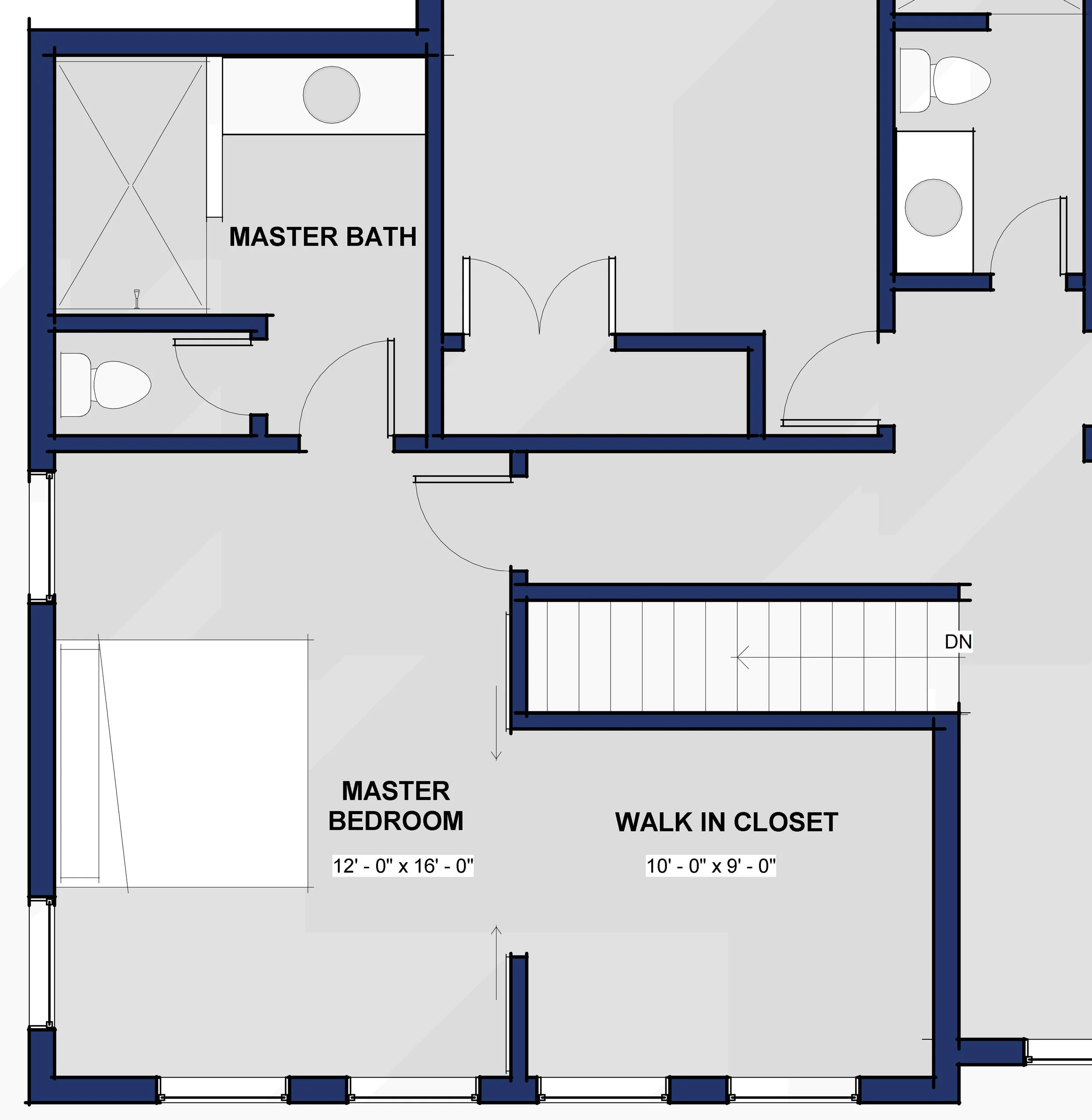
Factors Affecting Master Bedroom Size
Master bedroom size can vary for multiple reasons. Here are some essential factors at play:
- Home Size and Type: Larger homes often have more spacious master bedrooms, while apartments or smaller houses may have more modestly sized rooms.
- Personal Preference: Your lifestyle and needs dictate how much space you desire. Families, couples, and singles will have different requirements.
- Architectural Design: The style of the home can influence bedroom size. For instance, contemporary homes often feature larger, open spaces, while traditional homes may have more segmented rooms.
By considering these factors, you can better tailor your approach to your master bedroom's design.
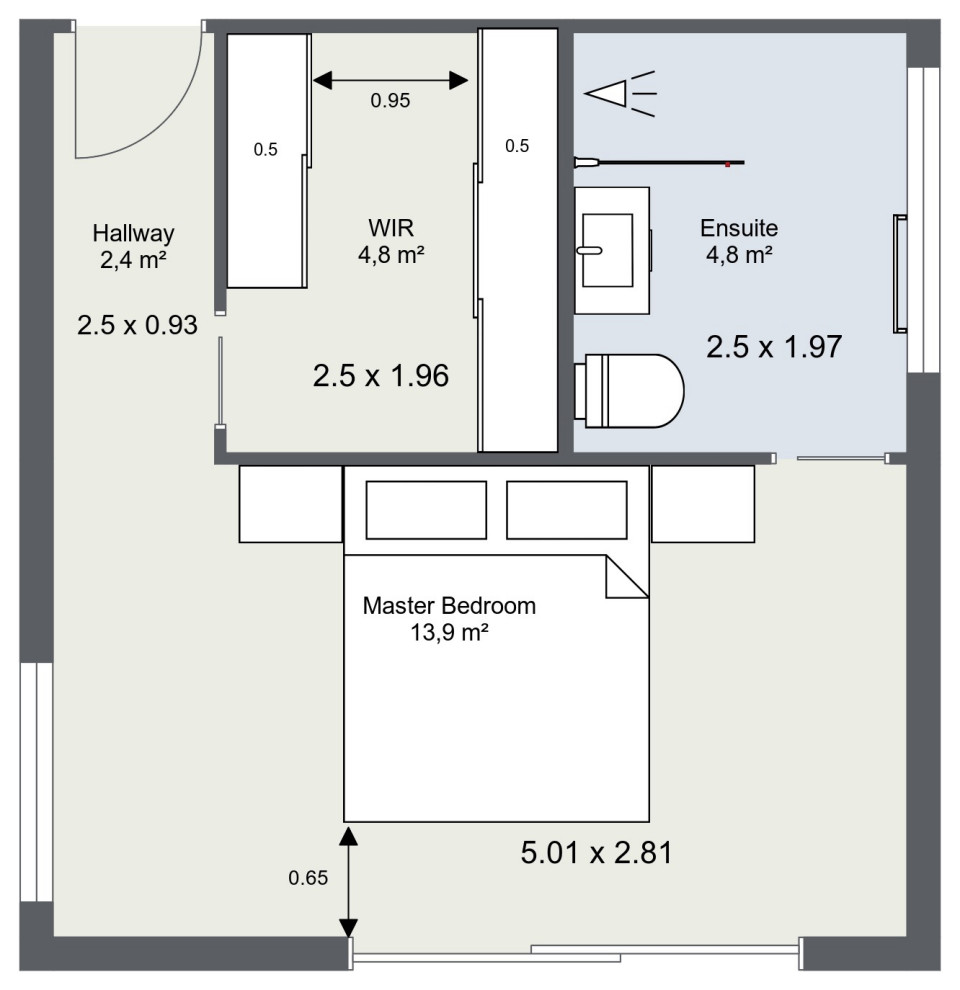
Design Tips for Your Master Bedroom
Regardless of the size of your master bedroom, creating a serene environment is crucial. Here's how you can achieve that:
-
Choose the Right Color Palette: Light colors often make a room feel larger, while darker colors provide a cozy atmosphere. Consider soft, neutral hues for a calming effect.
-
Select Multi-Functional Furniture: For smaller spaces, opt for beds with storage underneath or nightstands with drawers. This keeps clutter at bay while maximizing available space.
-
Personal Touches are Key: Add artwork or personal decor elements to express your style. A well-decorated room can help you feel at home.
-
Consider Lighting: Use a combination of ambient, task, and accent lighting to create a warm, inviting atmosphere whether you’re winding down or starting your day.
-
Maximize Natural Light: If possible, aim for large windows to allow for natural light, which can significantly enhance the mood of your bedroom.

Frequently Asked Questions
How does a master bedroom size affect the resale value of a home?
A larger master bedroom can enhance the value of a home since many homebuyers prioritize space and comfort.
What are the dimensions of a king-size bed in a master bedroom?
A king-size bed typically measures 76 inches wide and 80 inches long. It’s advisable to have at least 2 feet of walking space around it for comfort.
Can I fit a home office in my master bedroom?
Yes, if your master bedroom is large enough, you can allocate a corner for a small desk and chair, ensuring it doesn't crowd your sleeping area.
What furniture is essential for a master bedroom?
At a minimum, a bed, nightstands, and a dresser are essential. Depending on space, consider adding a chair, decorative shelving, or a desk.
How can I make a small master bedroom feel larger?
Using light colors, incorporating mirrors, opting for multi-functional furniture, and keeping decor minimal can create an illusion of more space.
Conclusion
The size of a master bedroom significantly impacts its functionality and overall aesthetic. Whether you're looking to design a cozy retreat in a small space or create a luxurious environment in a large room, understanding these dimensions allows for better choices in design and layout. Like your life's journey, let your bedroom reflect who you are — make it an inspiring haven!
As you reflect on your own space, consider how small changes could greatly enhance comfort and style. Dive into more resources or explore design ideas that resonate with you, and don't hesitate to share your thoughts in the comments!