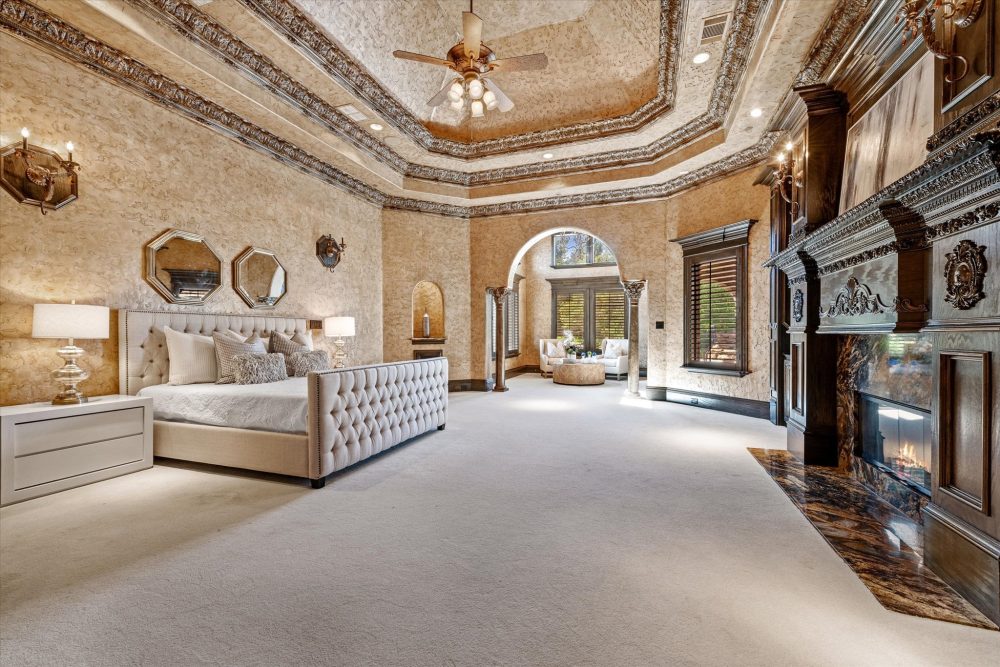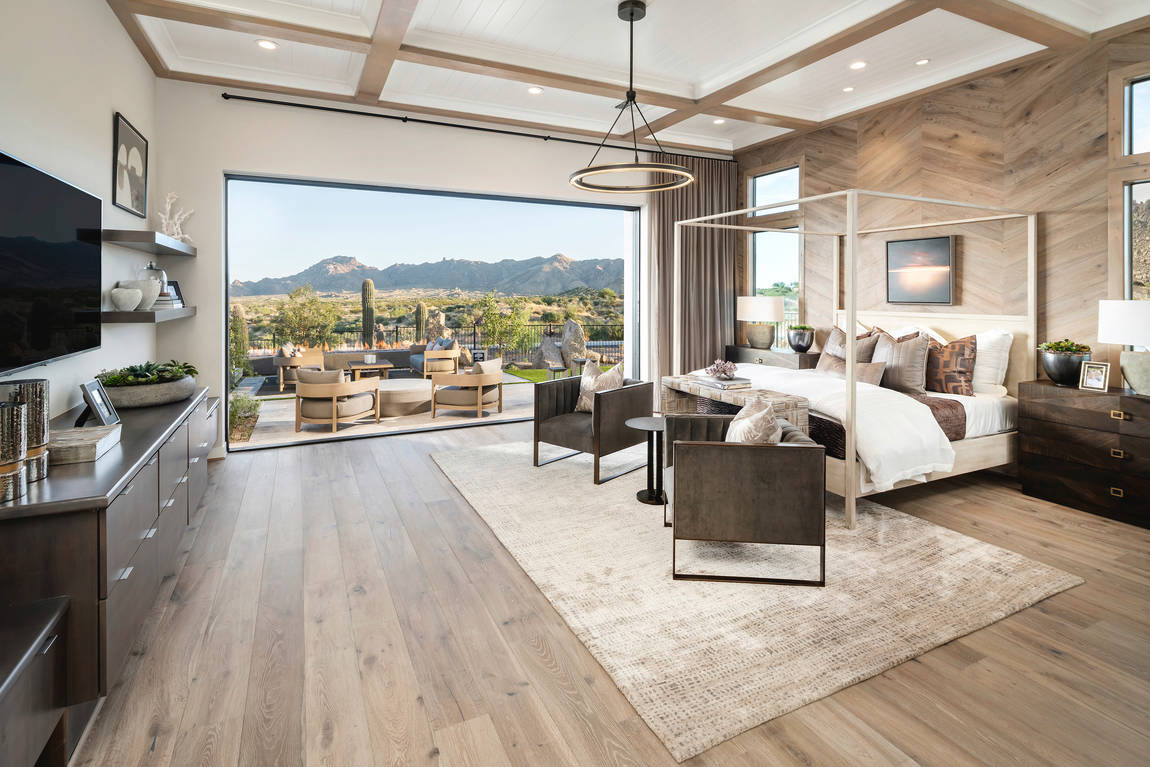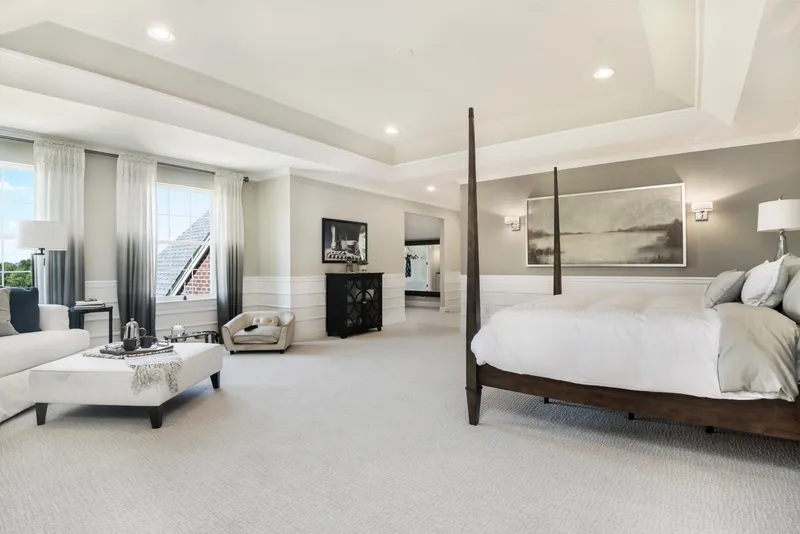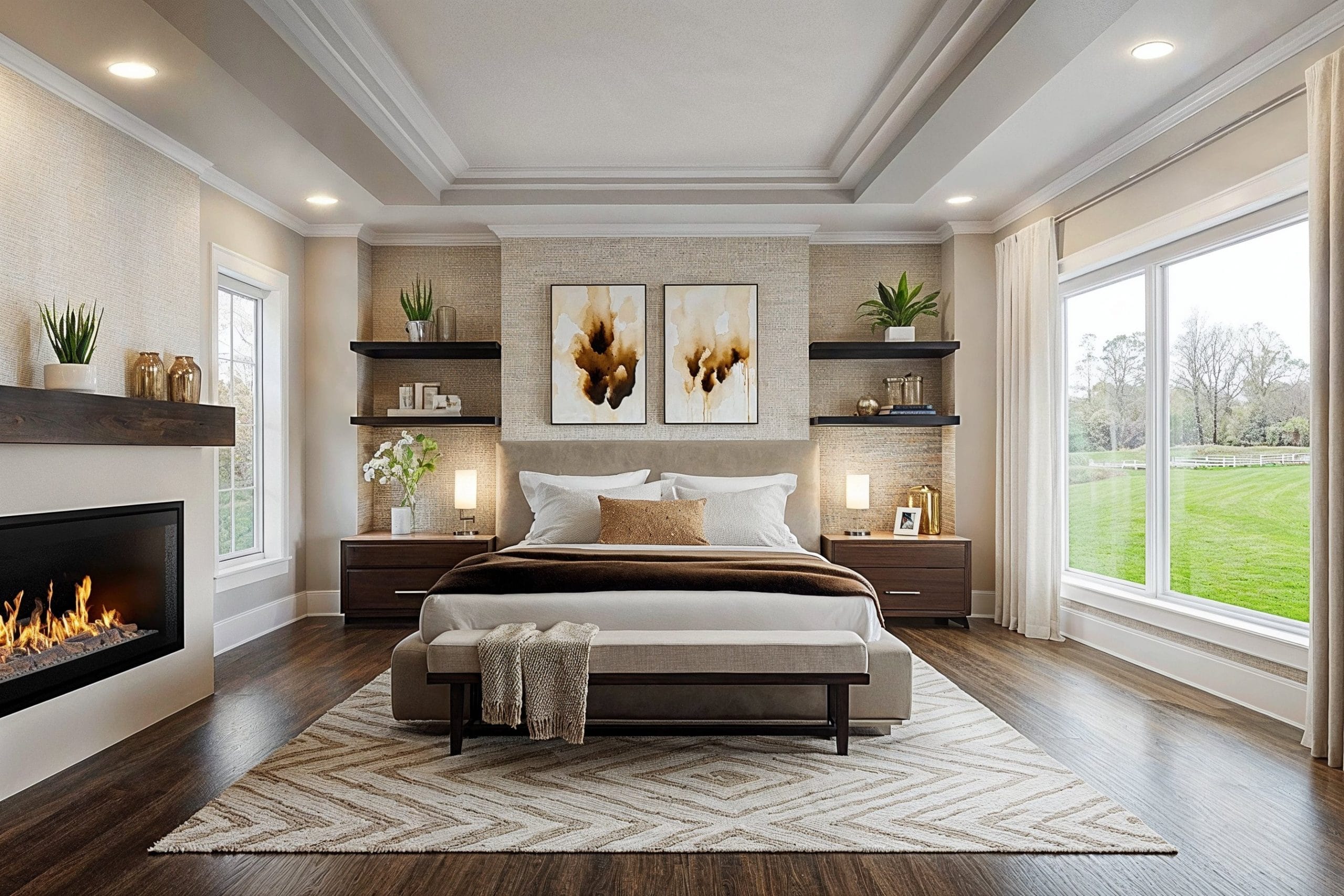
The average size of a master bedroom ranges from 200 to 400 square feet.
When it comes to designing or purchasing a home, understanding the dimensions and layout of the master bedroom is crucial. As the primary space for relaxation and rejuvenation, the size of a master bedroom can significantly influence comfort, aesthetics, and functionality. This article will provide a comprehensive exploration of what constitutes a master bedroom, typical dimensions, design considerations, and tips to maximize both space and style. Whether you're shopping for a new home or planning a renovation, the information here will equip you with the insights needed to create a master bedroom that truly feels like a personal sanctuary.
Defining a Master Bedroom
A master bedroom is typically defined as the largest bedroom in a home, often featuring an en-suite bathroom. In real estate listings, the term suggests not only size but also a degree of privacy and comfort, making it an attractive feature for potential buyers. While the exact dimensions can vary by region and home style, most master bedrooms are designed to accommodate various furniture pieces, including a queen or king-size bed, nightstands, and dressers, without feeling cramped.
Typical Dimensions
Master bedroom sizes can differ based on factors such as the style of the house, geographic region, and specific architectural choices. Here are some common sizes:
- Small Master Bedrooms: 200 – 250 square feet.
- Standard Master Bedrooms: 250 – 300 square feet.
- Large Master Bedrooms: 300 – 400 square feet.
- Luxury Suite Master Bedrooms: 400 square feet and above.
In a small master bedroom, you'll often find space for a bed and a couple of nightstands, while standard and large master bedrooms provide room for additional furniture, such as a seating area or wardrobe.
Designing a Master Bedroom
Designing your master bedroom involves a blend of aesthetics and functionality. Here are key considerations to ensure you create an inviting space:
Layout and Flow
- Plan the layout by considering the doorways, windows, and electrical outlets. Ensure there’s enough space to navigate easily.
- Positioning the bed against the wall opposite the door can create a focal point while maximizing space.
Furniture Selection
- Choose appropriately sized furniture to keep the room from feeling cluttered.
- Utilize multifunctional furniture, such as ottomans with storage or foldable desks, to save space.
Lighting and Color
- Incorporate natural light where possible; larger windows can help small rooms appear more spacious.
- Consider light, neutral colors for walls and bedding to create an airy feel.
Personal Touch
- Decorate with personal items, like artwork or photographs, to instill a sense of comfort and belonging.
- Ensure that whatever design elements you choose resonate with your personality for a more fulfilling space.
Maximizing Space
Even in smaller master bedrooms, you can create a cozy retreat with a few smart design choices:
- Vertical Storage: Use tall dressers or shelving units to maximize vertical space.
- Mirrors: Incorporating mirrors can create an illusion of depth and space.
- Corner Arrangements: Positioning furniture in corners can help utilize otherwise wasted space.
Frequently Asked Questions
How do I know if my bedroom can be considered a master bedroom?
A bedroom is commonly classified as a master bedroom if it is the largest bedroom in the home and typically includes an attached bathroom.
What is the minimum size for a master bedroom?
While there is no strict minimum, a master bedroom is generally considered to be at least 200 square feet to provide adequate space for a bed and essential furniture.
Can master bedrooms have different layouts?
Yes, master bedrooms can have various layouts depending on the architectural style of the home, personal preferences, and furniture arrangements.
What are common features of a master bedroom?
Common features include an en-suite bathroom, ample closet space, large windows, and enough room for additional furniture such as nightstands and seating areas.
Should I choose a king or queen bed for a master bedroom?
The choice between a king or queen bed depends on your size preferences and the room's dimensions. Ensure you leave ample space around the bed for movement.
Conclusion
Understanding the dimensions of master bedrooms and how to effectively utilize that space is essential for creating a comfortable living environment. By carefully considering layout, furniture selection, and personal touches, you can turn any master bedroom into your personal oasis. Whether you're moving into a new home or seeking to refresh your current space, use the insights shared in this guide to ensure your master bedroom meets both your needs and your desires. Start envisioning your ideal sanctuary and explore additional resources on home design, décor, and renovation. Your dream master bedroom awaits!