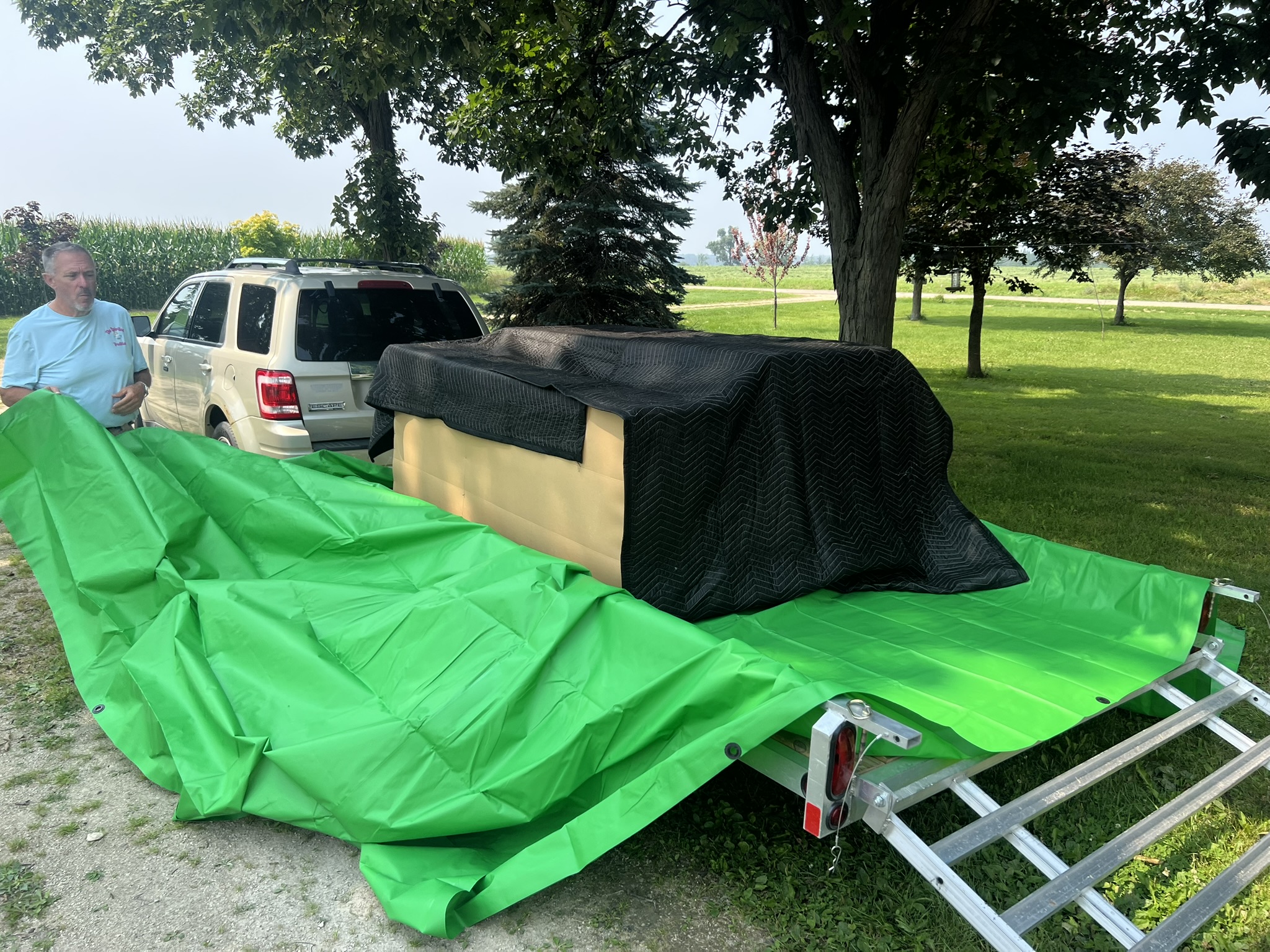
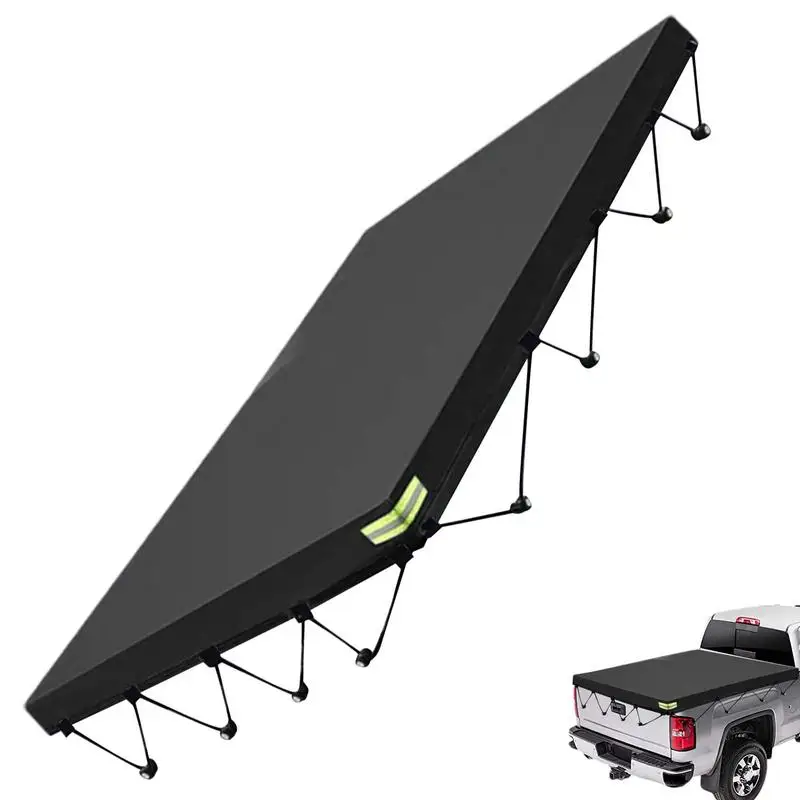
To cover a truck bed with a tarp, choose a tarp large enough to extend over all four sides, place it evenly across the bed, and secure its edges with bungee cords, tarp straps, or suitable tie-downs attached to solid anchor points. Keep the tarp tight, protect sharp cargo edges, and check that no part can flap or come loose while driving.
Pickup trucks are common across the United States. People use them to haul tools, camping gear, furniture, building supplies, lawn equipment, and other items. However, an open truck bed leaves cargo exposed to rain, road dust, strong wind, and direct sunlight. A properly fitted tarp offers a simple way to cover these items without installing a permanent truck bed cover.
Learning how to cover a truck bed with a tarp does not require special tools or advanced skills. You mainly need a suitable tarp, a few secure attachment points, and the right tie-down materials. The important part is not just spreading the fabric over the bed. You must also prevent water from collecting, protect the tarp from sharp edges, and keep the entire setup secure during travel.
This guide explains how to measure your truck bed, choose the right tarp, prepare your cargo, and attach the cover step by step. It also covers common problems, different tarp materials, and safety checks for American roads. Whether you drive a Ford F-150, Chevrolet Silverado, Ram 1500, Toyota Tacoma, or another pickup, the basic method is similar.
Covering a truck bed helps protect the items you carry from changing weather and road conditions. An open pickup bed can collect rainwater, dust, leaves, and small pieces of road debris. Even a short trip can expose furniture, tools, boxes, and other belongings to unwanted damage.
A tarp creates a flexible barrier over the bed. You can remove it when you need to haul large objects and put it back when you want extra protection. Unlike a permanent tonneau cover, a regular tarp can also cover cargo that sits above the bed rails, provided the load and cover are properly secured.
A tarp can also help keep loose, lightweight items from blowing out of the bed. However, it should never be treated as the only restraint for heavy or unstable cargo. Secure the load first, then use the tarp to cover it.
Source: m.media-amazon.com
Rain protection
A suitable waterproof tarp can help keep rain away from boxes, tools, camping supplies, and other belongings. Proper drainage is important because standing water can stretch the material and damage its attachment points.
Dust and dirt control
A fitted cover reduces exposure to road dust, dirt, leaves, and other debris during transportation.
Sun protection
A tarp can provide shade for cargo that should not remain in direct sunlight. Its actual UV protection depends on the fabric and coating.
Flexible coverage
You can adjust or remove the tarp when transporting furniture, gardening supplies, tools, or recreational equipment.
Lower-cost temporary protection
A basic tarp and suitable fasteners can provide temporary coverage without requiring a permanent truck bed cover installation.
Is a Tarp Better Than a Permanent Truck Bed Cover?
A tarp and a tonneau cover serve similar basic purposes, but they work in different ways. A tarp is flexible, removable, and useful for changing cargo shapes. A tonneau cover is usually better for routine use when you want a fitted cover that stays attached to the truck.
Choose a tarp for occasional hauling, temporary weather protection, or oversized cargo. Consider a fitted bed cover if you regularly park outside and need convenient access to a covered bed. Neither option removes the need to secure cargo properly.
Choose a tarp
When you want a removable, adaptable cover for occasional transportation.
Choose a tonneau cover
When you want a more permanent cover for everyday use and your cargo fits below its normal clearance.
What Do You Need to Cover a Truck Bed With a Tarp?
Gather all your supplies before starting. Having the correct tarp and fasteners makes the job easier and reduces the chance of leaving loose sections. You do not need an elaborate setup for a basic pickup bed, but every attachment must be suitable for its intended use.
The exact supplies depend on the size of your truck, the cargo shape, and the type of tarp you choose. A lightweight cover for a few storage boxes needs a different setup from a heavy cover used over bulky equipment.
A suitable truck tarp
Choose a tarp with enough width and length to cover the bed and reach the attachment points. Check its material, waterproof rating, reinforced edges, and grommets.
Tarp straps or bungee cords
These can attach the tarp to suitable truck bed anchors. Select compatible straps that are not damaged, overstretched, or too short.
Measuring tape
Use a tape measure to check the inside length and width of your truck bed and estimate the extra material needed for fastening.
Soft protective padding
Use suitable foam, folded fabric, or protective padding over sharp cargo corners to reduce friction and punctures.
Rope or compatible webbing
These can provide additional attachment options when used with suitable anchor points and a secure tying method. Do not assume ordinary rope has a rated cargo capacity.
A step stool if needed
A stable step stool can help you reach the front of a tall truck bed. Keep both feet secure and avoid climbing onto unstable cargo.
Check Your Truck Bed Tie-Down Points
Most pickup trucks have built-in cargo attachment points, but their design and location vary. Some have metal D-rings, bed hooks, side rails, or other factory-installed anchors. Others may have additional accessories installed by the owner.
Inspect these points before attaching anything. Look for rust, cracks, loose hardware, sharp edges, and signs of damage. Use only attachment points suitable for the direction and amount of pull involved.
Factory tie-down hooks
These may provide convenient locations for compatible tarp straps.
Bed rail attachment points
Some trucks have rail systems that accept compatible hooks or accessories.
Aftermarket anchors
Check the installation instructions and rated capacity before relying on aftermarket hardware.
How to Choose the Right Tarp Size for Your Truck Bed
Choose a tarp that covers the truck bed completely and provides enough extra fabric to reach the attachment points. A tarp that is too small may leave the sides exposed or pull away from the corners. An oversized tarp can also cause problems if its loose material catches the wind.
Start by measuring the inside length and width of the bed. Measure from the inside front wall near the cab to the inside edge of the tailgate. Then measure the width between the bed walls. If you are covering cargo that extends above the rails, include its height and shape in your planning.
Remember that a truck’s advertised bed length is not always the same as the exact usable measurement. Different cab styles, bed designs, and model years can have different dimensions. Measure your own truck rather than relying only on its model name.
Source: renegadeplastics.com
Measure the bed length
Measure from the front wall of the bed to the tailgate. Keep the tape straight and record the actual distance.
Measure the bed width
Measure between the inner side walls. If the cargo sits above the rails, measure its widest point as well.
Measure the cargo height
For raised loads, check the distance from the bed floor to the highest point of the cargo.
Allow for attachment material
Include enough extra fabric to extend over the sides and reach the planned anchor points without excessive tension.
How to Calculate the Tarp Size
For a simple flat load, you can estimate the tarp dimensions by adding the bed dimensions to the extra material needed on both sides. If the tarp must extend down the outside of the bed rails, include that drop as well.
For example, imagine your truck bed measures 6 feet long and 5 feet wide. You want approximately 1 foot of extra material on each side for attachment and coverage. Your estimated tarp size would be 8 feet long by 7 feet wide, assuming the load does not require extra height or additional material.
This is a planning example, not a universal sizing rule. A raised load, uneven cargo, or different attachment arrangement may require a larger tarp. Check the actual usable dimensions of the cover before purchasing.
Length calculation
Bed length plus the desired extra material at the front and rear.
Width calculation
Bed width plus the desired extra material on the left and right sides.
Raised cargo adjustment
Add enough material to cover the load height and still reach secure attachment points.
Should You Buy an Oversized Tarp?
A slightly larger tarp can make installation easier because you have enough material to cover the edges and reach your tie-down points. However, more fabric is not always better. Excess material can hang below the bed, catch the wind, and create loose areas.
Choose a size that fits your actual cargo and fastening plan. If you often carry loads with different shapes, a larger general-purpose tarp may be useful, but you must fold and secure the excess material carefully.
How to Cover a Truck Bed With a Tarp: Step-by-Step Instructions
The easiest way to cover a pickup bed is to prepare the cargo, center the tarp, create a suitable shape for water runoff, and attach the edges evenly. Work around the truck instead of pulling one corner as tight as possible before securing the others.
Park on level ground and make sure the truck is stationary. If you have recently driven, avoid touching hot exhaust parts or other hot surfaces. Keep children and pets away from the work area while you install the cover.
Source: beddercovers.com
Step 1: Prepare the truck bed
Remove loose debris, branches, and objects that could puncture the tarp. Check that the tailgate is properly closed if your load allows it.
Step 2: Arrange the cargo
Place heavy items low and distribute the weight appropriately. Keep cargo within the truck’s rated payload and secure each item independently.
Step 3: Protect sharp edges
Cover sharp corners, metal edges, and rough surfaces with suitable padding to reduce rubbing and damage.
Step 4: Position the tarp
Spread the tarp over the cargo and center it from front to rear. Make sure the fabric reaches all sides and covers the areas you want protected.
Step 5: Create a raised center
Arrange the tarp over a suitable support or a safely shaped load so water can drain toward the sides. Avoid creating low pockets where rain can collect.
Step 6: Attach the front edge
Secure the front edge using compatible fasteners and suitable truck bed anchors. Keep the attachment away from the cab’s moving or vulnerable parts.
Step 7: Secure both sides
Work along the left and right sides. Attach the tarp at several suitable points and distribute the tension evenly.
Step 8: Secure the rear edge
Fasten the material near the tailgate without interfering with its latch, lights, license plate, or other required vehicle equipment.
Step 9: Remove loose sections
Fold and secure extra fabric. Check for loose corners, hanging straps, exposed sharp edges, and sections that could flap in the wind.
Step 10: Perform a final inspection
Walk around the truck and inspect every attachment point. Check that the tarp is snug, the cargo is restrained, and the driver’s view and vehicle equipment remain unobstructed.
How Tight Should a Truck Bed Tarp Be?
The tarp should be snug enough to prevent flapping but not so tight that the material or attachment points become overstressed. Think of a well-fitted bedsheet rather than a drum skin. The fabric should remain supported without excessive pulling at the corners.
Check the grommets and reinforced edges while tightening. If a grommet begins to distort or the fabric starts stretching around a fastener, release some tension and adjust the attachment arrangement.
Elastic straps can help absorb small movements, but they must be in good condition and compatible with the tarp. Do not stretch them beyond their intended range.
Correct tension
The material stays in place without visible flapping or excessive strain.
Too loose
The tarp may billow, rub against the truck, collect debris, or pull away from its anchors.
Too tight
Grommets, seams, hooks, and fabric can tear under unnecessary tension.
How to Secure a Tarp to a Truck Bed
A tarp must stay attached to the truck even when air moves around the vehicle. The best attachment method depends on the tarp design and the anchors available on your pickup. Use several suitable attachment points rather than relying on a single rope or one pair of bungee cords.
Many tarps have reinforced edges with metal grommets. These small openings allow compatible hooks, cords, or other fasteners to connect to the cover. The reinforced material around each opening helps spread the pulling force, although it can still tear if the tarp is overloaded.
Keep the cover separate from the cargo restraint system. Use suitable rated tie-down straps or other approved methods to secure heavy cargo. Ordinary tarp straps should not be used as a substitute for a proper cargo restraint system.
Source: ae01.alicdn.com
Bungee cords
Useful for attaching compatible tarps to suitable anchors when the cords are in good condition and correctly sized.
Rubber tarp straps
Designed for tarp fastening and useful for creating flexible tension around a truck bed.
Cam buckle straps
Can provide controlled tension for compatible tarp arrangements. Avoid excessive tightening.
Rope
Can be used with suitable reinforced attachment points and secure knots, provided the rope does not interfere with vehicle operation.
Purpose-made tarp clips
May help when a tarp has no suitable grommet at a needed location. Follow the clip manufacturer’s instructions and avoid placing excessive force on unsupported fabric.
How Many Tie-Down Points Do You Need?
There is no single number that works for every truck and tarp. The right number depends on the cover’s size, fabric strength, grommet spacing, cargo height, and expected driving conditions.
Use enough attachment points to prevent the edges from lifting or flapping. Check the entire perimeter instead of focusing only on the four corners. A long side with widely spaced fasteners may still billow even when both ends are tight.
How to Keep Tarp Straps From Damaging the Cover
Inspect hooks before use and make sure they cannot rub against the tarp fabric. If a hook has a sharp edge, use a compatible connector or change its position. Keep metal hardware away from painted surfaces where it could cause scratches.
Replace cracked, stretched, brittle, or damaged elastic straps. Never try to repair a weak strap with tape and continue using it on a moving vehicle.
Check grommets
Do not attach fasteners to torn or loose grommets.
Protect the fabric
Avoid sharp hooks and rough attachment surfaces.
Use suitable tension
Tighten the tarp enough to control movement without stretching the fabric excessively.
How to Keep Rainwater From Collecting on a Truck Bed Tarp
Create a raised center or a gentle slope so rainwater can move off the tarp. A flat, unsupported cover can form a low pocket. Once water starts collecting, its weight can pull the material downward and make the pocket even deeper.
A simple support can help maintain the shape of the tarp. Depending on the truck and cargo, you may use a suitable tarp support pole, a compatible bed frame, or a carefully arranged load that creates a gentle crown. The support must be stable and must not damage the fabric.
Do not assume that a waterproof tarp will automatically keep the bed dry. Water can enter through open seams, loose edges, damaged grommets, and gaps near the tailgate. Wind-driven rain can also reach areas that are not fully covered.
Source: m.media-amazon.com
Raise the middle
Create a gentle high point so water flows toward the sides instead of collecting in the center.
Check the corners
Make sure folded corners do not create pockets that trap rainwater.
Inspect the rear edge
Check the tailgate area for openings that allow water to enter.
Retension after rainfall
If the material becomes loose or changes shape, adjust it after the truck is parked safely.
Can You Use a Tarp Support Pole?
Yes, a suitable support pole can help create a raised area beneath the tarp. It reduces the chance of water pooling and can provide better clearance above the cargo.
Choose a pole or support system designed for the intended use. It should remain stable during transportation and should not press against the fabric with a sharp or narrow end. Never use an unstable object that could fall, shift, or become a hazard while driving.
What If Water Still Gets Inside?
First, check whether the tarp has holes, damaged seams, or worn grommets. Then inspect the edges and corners to see whether rain is entering through a gap. A tarp may also allow water to enter when wind pushes rain underneath the cover.
Move water-sensitive items into waterproof containers when possible. A tarp is useful weather protection, but it should not be treated as a guaranteed watertight enclosure.
Which Tarp Material Is Best for a Pickup Truck?
The best tarp material depends on how often you use it and what you need to protect. Some materials are light and affordable, while others offer better resistance to abrasion and repeated handling. Check the manufacturer’s specifications instead of judging a tarp only by its color or thickness.
A basic polyethylene tarp may work well for occasional hauling and temporary weather protection. Heavy-duty vinyl or PVC covers may be more suitable for frequent use, depending on their construction. Canvas can be useful for certain applications, but untreated canvas absorbs water and may need additional care.
No material is immune to damage. Sharp metal corners, constant rubbing, poor storage, and excessive wind movement can shorten the useful life of almost any tarp.
Source: i.ytimg.com
Polyethylene
A common lightweight option for general outdoor use. Check its waterproof coating, reinforced edges, and resistance to sunlight.
Vinyl or PVC
Often used in heavy-duty covers. Construction quality, reinforcement, flexibility, and intended use matter.
Canvas
A fabric option that may suit certain cargo and storage needs. Check whether it is treated for water resistance and follow its care instructions.
Mesh
Allows airflow and may help contain certain loads, but it is not a substitute for a waterproof rain cover.
What Makes a Good Truck Bed Tarp?
Look beyond the material name. A useful truck tarp should have reinforced edges, suitable grommets or attachment loops, and dimensions that match your truck and cargo. Its construction should also suit the weather and the amount of handling you expect.
If you frequently drive on highways, pay special attention to the attachment system. A heavy fabric does not guarantee a secure cover. The entire setup, including anchors, fasteners, and cargo restraints, must work together.
Reinforced edges
Help distribute tension around the tarp perimeter.
Strong attachment points
Provide suitable locations for compatible fasteners.
Appropriate weather resistance
Helps protect cargo from the conditions you expect to encounter.
Easy maintenance
Makes cleaning, drying, folding, and storage simpler.
Common Mistakes When Covering a Truck Bed With a Tarp
Most tarp problems happen because of poor sizing, weak attachment points, or a lack of inspection. A cover can look secure while the truck is parked but behave differently once air moves around the vehicle. Taking a few extra minutes to inspect the setup can prevent damage and reduce road hazards.
Avoid these common mistakes before driving. Some can damage the tarp, while others can expose your cargo or create risks for people sharing the road.
Using a tarp that is too small
A short tarp may not reach the anchors and can leave parts of the cargo exposed. Measure the bed and cargo before buying.
Leaving loose fabric
Loose material can flap in moving air, wear through, or come loose. Fold and fasten excess fabric.
Using damaged bungee cords
Old or overstretched cords may lose tension or break. Inspect them and replace damaged fasteners.
Ignoring sharp cargo corners
Rough edges can rub against the tarp and create holes. Add protective padding before covering the load.
Overtightening the tarp
Excessive tension can damage grommets, seams, and anchor points. Aim for even, moderate tension.
Forgetting water drainage
A flat cover can collect rainwater. Create a raised center or suitable slope.
Using the tarp as the only cargo restraint
A cover does not replace proper load restraints. Secure heavy and movable objects independently.
Failing to inspect the setup
A quick walk-around can reveal loose hooks, damaged fabric, hanging straps, and blocked lights.
Why Does a Tarp Keep Coming Loose?
A tarp that repeatedly comes loose may be too large, poorly centered, or attached to unsuitable anchor points. Damaged grommets and weak straps can also cause the problem. In some cases, the fasteners are simply too far apart to control movement along the edges.
Start by checking the corners and the longest sides. Replace damaged fasteners, adjust the position of the tarp, and add suitable attachment points where the design allows. Do not solve the problem by pulling the material harder if the grommets are already under strain.
Why Does a Tarp Tear During Transportation?
Wind movement, sharp cargo edges, excessive tension, and worn fabric can all contribute to tearing. A small tear may spread quickly when the material continues to flap.
Stop in a safe place if you notice damage. Repair the tarp according to the manufacturer’s instructions or replace it if the tear affects its strength. Do not continue driving with a loose cover.
Truck Bed Tarp Safety: What to Check Before Driving
A secure tarp protects more than your belongings. It also helps prevent loose material from becoming a hazard for other drivers. In the United States, cargo securement requirements and applicable state or local laws may affect how loads must be carried on public roads.
Federal cargo securement rules for commercial motor vehicles require cargo to be secured against shifting, leaking, spilling, blowing, or falling. These specific federal requirements should not automatically be applied to every personal pickup in the same way. Private pickup owners should still follow applicable state and local laws and use safe cargo practices.
Before leaving, inspect the complete setup. Make sure the tarp does not cover the driver’s mirrors, block required lights, hide the license plate, or interfere with the tailgate. Also check that straps and hooks cannot reach the wheels, exhaust, or other moving and hot vehicle parts.
Secure cargo independently
Use suitable cargo restraints and proper anchor points for heavy, large, or movable items.
Check the vehicle lights
Keep brake lights, turn signals, reflectors, and other required equipment visible.
Protect the driver’s view
Do not allow the tarp or cargo to block mirrors or create unsafe visibility conditions.
Check the tailgate
Make sure the tailgate and its latch are secure and function correctly.
Remove hanging straps
Keep all loose ends away from the tires, road surface, and moving components.
Inspect after starting the trip
Pull over safely and recheck the tarp and cargo after the initial part of the journey and during longer trips.
Can You Drive on the Highway With a Tarp Over Your Truck Bed?
You can transport a properly secured tarp-covered load when the setup complies with applicable requirements and remains safe for road use. However, a tarp that is loose, flapping, or attached to weak points should not be taken onto a highway.
Highway travel exposes the cover to sustained airflow and changing wind conditions. A setup that appears stable at low speed may become loose as speed increases. Do not rely on a quick tug to judge whether the entire arrangement is safe.
If the cover starts moving, stop at a safe location and inspect it. Never reach outside the vehicle or try to adjust a tarp while driving.
Should You Check the Tarp During a Long Trip?
Yes. Make a visual inspection whenever you stop safely during a longer trip. Check for torn fabric, loose straps, stretched grommets, shifting cargo, and water collecting on the cover.
A change in weather can also affect the setup. Strong wind or heavy rain may require you to stop and make adjustments before continuing.
How to Maintain and Store a Truck Bed Tarp
Good maintenance helps a truck tarp last longer. Dirt, moisture, friction, and sunlight can gradually damage the fabric and its coating. Regular cleaning and proper storage help you spot problems before the next trip.
After removing the tarp, shake off loose dirt and clean it according to the manufacturer’s instructions. Mild soap and water may be suitable for some materials, but strong chemicals and abrasive brushes can damage certain coatings.
Allow the tarp to dry fully before folding it for storage, unless its manufacturer specifies another method. A damp tarp stored in a closed space may develop unpleasant odors or mildew, especially if the material absorbs moisture.
Clean it regularly
Remove dust, mud, and debris using a cleaning method suitable for the tarp material.
Inspect the seams
Look for loose stitching, worn edges, and damaged reinforcement.
Check the grommets
Replace or repair damaged attachment points using an appropriate repair method.
Dry before storage
Let the material dry as directed before folding it away.
Store in a suitable place
Keep the folded tarp away from sharp objects, excessive heat, and conditions that may damage the fabric.
When Should You Replace a Truck Tarp?
Replace the tarp when its fabric has large tears, the seams have failed, or its attachment points can no longer hold the cover securely. Small damage may sometimes be repaired with a compatible patch kit, but a repair should not be trusted if the surrounding material is weak.
Also consider replacing a tarp when its coating has deteriorated and it no longer provides the protection you need. The exact service life depends on the material, frequency of use, weather exposure, and maintenance.
Tarp vs. Cargo Net: Which Should You Use?
A tarp and a cargo net are not interchangeable in every situation. A tarp is mainly designed to cover cargo and provide a barrier against weather and debris. A cargo net is designed to help contain items and reduce the chance of loose objects leaving the bed.
Your choice depends on the type of load. A waterproof tarp makes more sense when you want to protect boxes, tools, or camping gear from rain. A cargo net may be useful for irregular loads that need airflow and additional containment.
Some jobs may require both a cargo restraint system and a separate cover. In that case, secure the cargo first and install the tarp or net as an additional measure.
Use a tarp for weather protection
A suitable tarp can cover cargo against rain, dust, and sunlight.
Use a cargo net for containment
A suitable net can help prevent compatible loose items from leaving the truck bed.
Use proper straps for heavy cargo
Rated cargo restraints are necessary when the load requires independent securement.
A Practical Final Checklist Before You Drive
Once the tarp is installed, take a moment to inspect the entire truck. This final check helps catch small problems before they become larger ones. Do not assume that a cover is safe just because it looks smooth from the rear.
Walk around the vehicle and look at the tarp from several angles. Check the front edge, both sides, the tailgate, and every attachment point. If anything looks loose or damaged, fix it before driving.
Tarp size
The cover reaches the planned attachment points and covers the intended cargo area.
Tarp tension
The fabric is snug without excessive stretching or loose sections.
Water drainage
The cover has a suitable shape that does not create deep water pockets.
Fasteners
All cords, straps, and hooks are suitable, undamaged, and securely attached.
Cargo restraints
Heavy and movable items are independently secured.
Vehicle visibility
Mirrors, lights, reflectors, and the license plate remain visible.
Vehicle operation
The tarp does not interfere with the tailgate, wheels, exhaust, or other vehicle parts.
Final walk-around
No loose fabric or hanging fasteners can create a road hazard.
Frequently Asked Questions
Q
What is the easiest way to cover a truck bed with a tarp?
The easiest method is to use a correctly sized tarp with reinforced edges and suitable attachment points. Center the tarp over the bed, arrange it so rain can drain away, and secure all sides with compatible tarp straps or bungee cords.
Make sure the cover is snug without being overstretched. Check every corner and remove loose fabric before driving.
Q
What size tarp do I need for a pickup truck bed?
The correct size depends on your truck bed’s actual length and width, the height of the cargo, and how much extra fabric you need for fastening. Measure the bed and cargo before buying.
For example, a 6-foot-long and 5-foot-wide bed may need an approximately 8-by-7-foot tarp if you want an additional foot of material on each side. This is only an example; raised cargo and different attachment methods may require a different size.
Q
Can I use regular bungee cords to secure a truck bed tarp?
You can use suitable bungee cords to attach a compatible tarp to appropriate truck bed anchors. Check that the cords are in good condition and that their hooks cannot damage the fabric or come loose.
Do not use ordinary bungee cords as the primary restraint for heavy cargo. Secure the load separately with suitable cargo tie-down equipment.
Q
How do I keep a truck tarp from blowing away?
Center the tarp, attach it at multiple suitable points, and keep its edges snug. Use compatible fasteners and check that the grommets and truck anchors are not damaged.
Avoid large loose sections that can catch moving air. If the cover starts flapping during travel, stop somewhere safe and correct the problem before continuing.
Q
How can I make a truck bed tarp waterproof?
Start with a tarp specifically designed to resist water. Check its coating, seams, and condition. A waterproof material will not provide full protection if it has holes or large openings around the edges.
Create a raised center or gentle slope to prevent water from pooling. Keep the corners and tailgate area properly covered, and use waterproof containers for especially sensitive belongings.
Q
Can I cover a truck bed with a tarp without grommets?
Yes. You may use compatible tarp clips, reinforced webbing loops, or another attachment system designed for the material. Check the manufacturer’s instructions to make sure the fastening method will not damage the tarp.
Avoid cutting random holes into an unreinforced edge. Such holes can become starting points for tears when the cover is pulled or exposed to wind.
Q
Is a tarp enough to keep cargo from moving in a truck bed?
No. A tarp is mainly a protective cover. It does not replace suitable restraints for heavy, large, or movable cargo.
Use appropriate straps, anchors, blocking, or other suitable methods to secure the actual items. After that, install the tarp to provide additional weather and debris protection.
Q
Can I leave a tarp on my truck bed overnight?
Yes, you can leave a properly fitted tarp over a parked truck bed overnight. Make sure the cover is secured, the cargo is stable, and water cannot collect in large pockets.
If strong winds or severe weather are expected, inspect the setup and consider moving the truck to a sheltered location. Remove the tarp if it cannot be kept secure.
Q
How do I cover a truck bed when carrying furniture?
First, secure the furniture with suitable cargo straps. Protect delicate surfaces with appropriate moving blankets or padding, and cover sharp furniture corners so they do not damage the tarp.
Spread a large enough tarp over the furniture and attach it to suitable truck anchors. Check that the load does not block lights or the driver’s view and that all items remain within applicable transport limits.
Q
How long does a truck bed tarp last?
There is no fixed lifespan for every truck tarp. Material quality, sunlight, weather, storage, cleaning, and how often the tarp is used all affect its service life.
Inspect the fabric, seams, and grommets regularly. Replace the cover when damage prevents it from staying securely attached or providing the protection you need.
✦ Wrapping Up
Conclusion
Learning how to cover a truck bed with a tarp is a simple way to protect cargo from rain, dust, sunlight, and road debris. The process starts with measuring your bed and choosing a suitable cover. From there, prepare the cargo, center the tarp, create a shape that allows water to drain, and secure every side with compatible fasteners.
The most important part is proper installation. A tarp that is too loose can flap and tear, while one that is too tight can damage its seams and attachment points. Protect sharp corners, inspect the grommets, and use suitable anchor points throughout the installation.
Remember that a tarp is not a substitute for proper cargo restraints. Secure heavy items independently, keep the truck’s lights and license plate visible, and check the entire setup before driving. With the right preparation and regular inspections, a truck bed tarp can provide practical temporary protection for many everyday hauling jobs.
💡 Key Takeaway
Before your next trip, measure your truck bed, select a suitable waterproof tarp, inspect your tie-down points, and gather compatible fasteners. Secure the cargo first, cover it evenly, tighten the tarp without overstretching it, and complete a full safety inspection before driving.