
The average master bedroom is approximately 200 to 300 square feet, offering ample space for comfort and functionality.
When it comes to creating your ideal living space, understanding the dimensions of your master bedroom can greatly influence your design choices and overall enjoyment of the area. This article will delve deep into how big the average master bedroom is, exploring various aspects such as design tips, the impact of size on comfort, and how to maximize your space effectively. Whether you’re in the process of building a new home, renovating your current space, or just curious about design trends, you’ll find this guide informative and eye-opening.
Understanding Master Bedroom Dimensions
Before we get into the specifics, it's essential to clarify what constitutes a master bedroom. The master bedroom is typically the largest bedroom in a home, designed to serve as a personal retreat for the homeowners. Traditionally, it includes features like an attached bathroom or walk-in closet, which adds to its overall comfort and functionality.
Average Size of a Master Bedroom
The average dimensions of a master bedroom range between 200 to 300 square feet. This size allows for a king or queen-sized bed, along with additional furniture such as nightstands, a dresser, and possibly a seating area. Here's a breakdown of various design formats based on average sizes:
- 200-250 Square Feet: Ideal for a king-size bed with room for nightstands and a corner chair.
- 250-300 Square Feet: Allows for more flexibility, accommodating larger furniture pieces, a small sofa, or additional storage solutions.
One key aspect to consider is the layout. A well-planned space can make a smaller master bedroom feel larger and more inviting, which can be achieved through strategic furniture placement and the use of light colors.
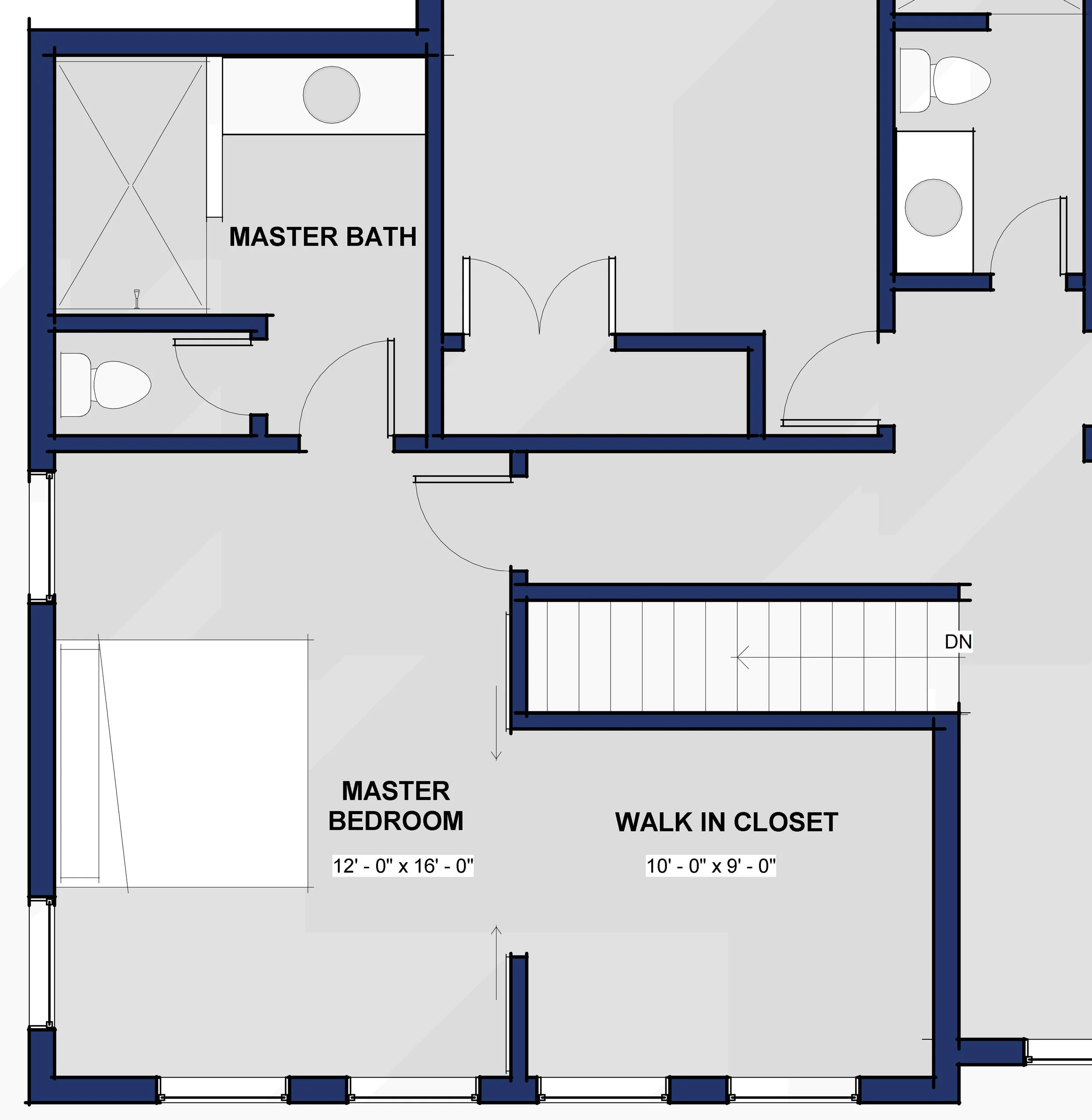
Factors Influencing Master Bedroom Size
Several elements influence the size of a master bedroom:
- Home Style: The architectural style and overall square footage of the home greatly dictate bedroom sizes. For instance, modern homes often prioritize open spaces, resulting in larger bedroom areas.
- Target Market: In real estate, the demographic being targeted can impact bedroom dimensions. Homes aimed at families might feature larger bedrooms, whereas those targeting young professionals may opt for cozier dimensions.
- Consumer Preferences: Trends in lifestyle and preferences change over time, influencing how much space buyers deem necessary in a master bedroom.
Benefits of a Generously Sized Master Bedroom
Having a spacious master bedroom has several advantages:
- Comfort: A larger space allows for comfortable movement and placement of furniture, creating a more relaxed environment.
- Versatility: A spacious bedroom can serve multiple purposes, like a workspace or reading nook.
- Enhanced Privacy: A bigger room can provide more privacy, especially in family homes.
Conversely, smaller master bedrooms can still be effective with clever design solutions, such as built-in storage and multi-functional furniture.

Tips for Maximizing Space in Smaller Master Bedrooms
If your master bedroom is on the smaller side, here are some strategies to maximize the space effectively:
- Invest in Multi-Functional Furniture: Choose beds with built-in drawers or modular pieces that can be rearranged.
- Use Vertical Space: Wall-mounted shelves can help keep floor space clear, allowing for more walking room.
- Incorporate Reflective Surfaces: Mirrors and light color palettes can visually enlarge the space, creating an illusion of more room.
Personal experience has shown that incorporating these tips not only enhances aesthetics but also improves livability.
Frequently Asked Questions
What is considered a master bedroom?
A master bedroom is typically the largest bedroom in a home, designed for adults and often with an attached bathroom or significant storage options.
How can I make a small master bedroom feel larger?
Utilize light colors, incorporate mirrors, and choose multi-functional furniture to maximize space and create an illusion of openness.
What are common dimensions for master bedrooms in new homes?
In new constructions, master bedrooms often range from 200 to 300 square feet, accommodating modern furniture styles and preferences.
Can a master bedroom be smaller than 200 square feet?
While not typical, master bedrooms can be smaller than 200 square feet, especially in urban or compact living spaces. However, this might limit functionality and comfort.
How important is it to have an en-suite bathroom in a master bedroom?
An en-suite bathroom adds convenience and privacy, making it a sought-after feature in master bedrooms. It enhances the overall comfort and usability of the space.
Conclusion
Understanding how big the average master bedroom is can greatly influence your design choices and overall comfort in your living space. Whether your bedroom is expansive or cozy, the key lies in optimizing that space to suit your needs effectively. Utilize the tips shared to create an inviting environment that feels both spacious and functional. Feel free to explore additional resources on bedroom design and share your thoughts in the comments below!