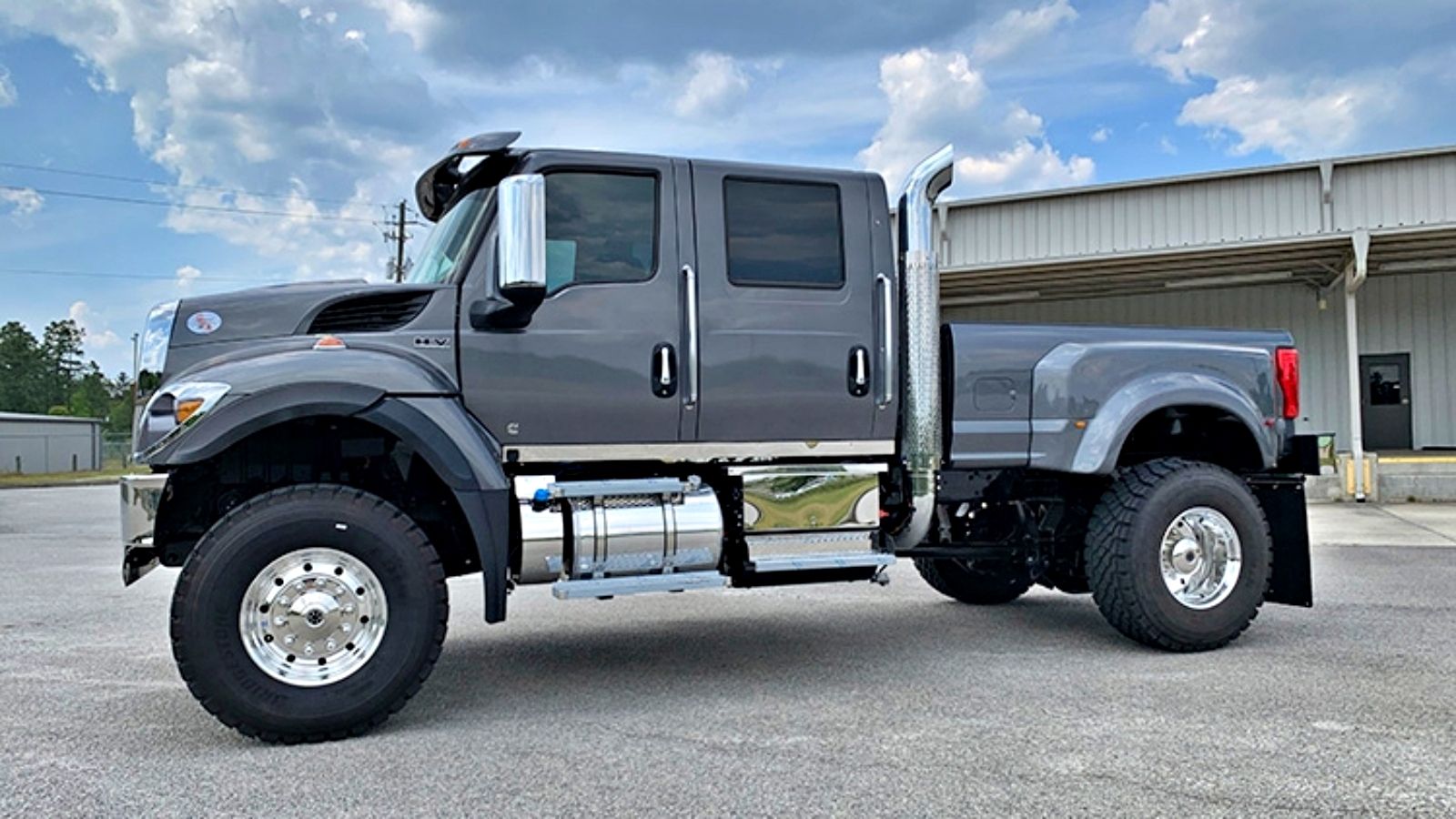
The cover on the back of a pickup truck is called a tonneau cover. It is also known as a truck bed cover, bed lid, or pickup bed cover. It fits over the open cargo area to help protect tools, luggage, equipment, and other items from weather and unwanted attention.
Across the United States, pickup trucks such as the Ford F-150, Chevrolet Silverado, Ram 1500, and Toyota Tacoma are used for work, travel, and daily driving. Many owners add a cover over the open cargo bed to protect their belongings. This accessory has a specific name: a tonneau cover, pronounced tah-no.
Tonneau covers come in several forms. Some use soft vinyl that rolls toward the cab, while others have hard panels that fold, slide, or lift open. Each style offers a different mix of cargo access, weather protection, appearance, and security.
Knowing the correct name makes it easier to find the right accessory at an auto parts store or truck accessory shop. It also helps when comparing prices, checking vehicle fit, or asking a dealer about factory-installed equipment. However, a tonneau cover is not the same as a tall camper shell or truck cap.
This guide explains what a truck bed cover is called, how its main types differ, what materials are used, and which details matter before buying one. The goal is to help American pickup owners understand their options without confusing a simple bed cover with other truck accessories.
A truck bed cover is most commonly called a tonneau cover. The term describes an accessory that sits over the open cargo area of a pickup truck. It usually attaches to the bed rails and closes the space between the cab and the tailgate.
In everyday conversation, American truck owners often use simpler names such as bed cover, truck lid, or pickup bed cover. These names generally describe the same basic accessory, although a truck lid can sometimes refer to a solid one-piece cover.
The word tonneau is pronounced tah-no. When shopping online, both tonneau cover and truck bed cover are useful search terms. Auto parts stores and truck accessory retailers commonly use both names in their product categories.
Source: pickuptruck.truckstrend.com
Tonneau cover
The common automotive term for a cover that fits over the open bed of a pickup truck.
Truck bed cover
A simple descriptive name that explains what the accessory does.
Bed lid
A casual term often used for a rigid or hinged cover fitted over the cargo bed.
Pickup bed cover
Another common name used in parts catalogs and online shopping searches.
Why Is It Called a Tonneau Cover?
Tonneau is a word with French origins that is associated with a cask or barrel. In automotive use, the term became linked to the rear passenger area of early cars and the covers used to protect that area.
Over time, the name became established in the automotive accessory market for covers that protect open cargo spaces. Today, tonneau cover is the widely recognized product term for many pickup bed covers.
You do not need to know the word’s history to buy one. The useful point is that searching for a tonneau cover will usually bring up the same general product that retailers describe as a truck bed cover.
How Do You Pronounce Tonneau?
Tonneau is commonly pronounced tah-no. The final letters are not spoken as separate sounds. If the word feels difficult to say, truck bed cover is an equally useful term when speaking with a parts salesperson or mechanic.
You may also see informal spellings such as tonno or tono in online searches. These are not the standard spelling. Use tonneau cover when looking for product specifications or manufacturer instructions.
What Does a Truck Bed Cover Do?
A tonneau cover closes the top of a pickup bed to help protect the cargo inside. It creates a barrier between stored items and direct exposure to sunlight, rain, snow, dust, and road debris. The amount of protection depends on the cover design, seals, installation, and condition.
For example, someone driving a Chevrolet Silverado to a home improvement store may want to keep small tools and supplies out of sight. A cover can help with that task without taking away the basic cargo space of the pickup.
A cover can also make the truck look more finished. Many models sit close to the bed rails and create a smooth line from the cab to the tailgate. Some owners also choose one because they want a more organized cargo area.
Source: ownerdriver.com.au
Weather protection
A properly fitted cover can reduce direct exposure to rain, snow, sunlight, and dust. Water may still enter through seams, corners, or the tailgate area.
Cargo privacy
A closed cover hides stored belongings from people looking into the truck bed. This can make visible cargo less attractive to casual thieves.
Everyday convenience
A cover helps keep leaves, dirt, and some road debris out of the bed, which can reduce routine cleaning.
Appearance
A low-profile cover can give a pickup a cleaner appearance without adding the height of a camper shell.
Cargo organization
Some covers work with bed racks, toolboxes, and other storage accessories when the products are designed to be compatible.
Does a Tonneau Cover Keep Everything Dry?
A tonneau cover can reduce the amount of water that reaches cargo, but most should not be considered completely waterproof. Rain can enter through small gaps around the tailgate, bed rails, hinges, and panel joints.
Some covers include rubber seals, drainage channels, or water management systems. These features can improve resistance to water, but the result still depends on correct installation and regular maintenance.
If you carry electronics, paper documents, clothing, or other items that cannot get wet, place them in sealed storage containers even when the bed cover is closed.
Does a Truck Bed Cover Prevent Theft?
A locking tonneau cover can make cargo harder to reach and less visible. However, its security depends on the material, locking system, tailgate design, and how the cover attaches to the truck.
A soft vinyl cover can be cut, so it offers less physical resistance than many hard-panel designs. A hard cover may provide a stronger barrier, but it is not a substitute for a secure garage or a dedicated lockable storage system.
Never leave valuable tools, firearms, laptops, or other high-value items unattended based only on the presence of a truck bed cover.
What Are the Different Types of Truck Bed Covers?
Truck bed covers are available in several designs. The main difference is how the cover opens and how much of the cargo area becomes accessible when it is open.
Some covers are made from flexible fabric, while others use aluminum, fiberglass, composite panels, or other rigid materials. The right design depends on how often you carry large objects, how much security you need, and whether you want quick access to the entire bed.
Understanding these styles is more useful than choosing a cover based on appearance alone. A cover that works well for daily commuting may not be practical for someone who regularly hauls ladders, furniture, or construction supplies.
Source: ogsfzco.ae
Soft roll-up cover
A flexible cover that rolls toward the cab to expose the truck bed.
Soft folding cover
A fabric or vinyl cover that folds into sections, often in a tri-fold arrangement.
Hard folding cover
A rigid panel system that folds toward the cab and provides a firmer barrier over cargo.
Hard roll-up cover
A cover made with rigid interlocking slats that roll toward the front of the bed.
Retractable cover
A system that slides or rolls into a storage canister near the cab.
One-piece hinged cover
A single solid panel that lifts upward, often with assistance from gas struts.
Soft Roll-Up Tonneau Cover
A soft roll-up tonneau cover usually has a flexible vinyl or fabric surface supported by a frame. To open it, the owner releases the rear latches and rolls the material toward the cab.
This design is useful for drivers who want quick access to the full bed. It is also often simpler to remove or install than a heavy rigid cover, depending on the model.
Its main limitation is physical security. Flexible material is easier to cut than aluminum or fiberglass, so it may not be suitable for expensive equipment that must remain protected.
Main benefit
Quick access to most or all of the bed without lifting a heavy panel.
Main limitation
The flexible surface offers less resistance to cutting and forced entry.
Soft Folding and Tri-Fold Covers
A soft folding cover uses flexible material stretched over a folding frame. Many models have three sections, which is why they are called tri-fold covers.
The panels fold toward the cab, allowing the driver to open part of the bed when needed. Some models can be removed to provide full access.
This design can suit people who want a simple cover that opens faster than a system with multiple individual snaps. However, the folded sections may block part of the rear window, depending on the truck and cover design.
Hard Folding Tonneau Cover
A hard folding tonneau cover uses rigid panels connected by hinges. Common materials include aluminum and reinforced composite construction.
The panels fold toward the cab to provide access to the bed. Some designs allow the cover to stand upright, while others have specific support positions and limits.
This style is useful for owners who want a rigid surface without giving up all convenience. It generally offers more resistance to physical damage than a soft cover, but its security still depends on the locks and tailgate.
Suitable use
Daily cargo storage, work equipment, and drivers who want a combination of access and a rigid cover.
Possible drawback
Rigid panels can be heavy, and the folded cover may reduce rear visibility or occupy space near the cab.
Hard Roll-Up and Retractable Covers
A hard roll-up cover uses rigid slats connected to form a flexible rolling surface. When opened, the slats move toward the front of the truck bed.
A retractable cover usually slides or rolls into a canister mounted near the cab. Some systems are operated by hand, while others use an electric motor and remote control.
These systems can provide a firm cover with convenient operation. Their main drawback is that the storage canister may take up some cargo space at the front of the bed. Electric models also require attention to wiring and power requirements.
Manual retractable
The driver opens and closes the cover by hand using the supplied mechanism.
Electric retractable
A motor moves the cover, often through a switch or remote control. Installation may require electrical work.
One-Piece Hinged Truck Bed Cover
A one-piece hinged tonneau cover is a solid lid that lifts from the rear, much like the hood of a car. Many designs use gas struts to help raise and support the panel.
Some models use fiberglass or composite materials and can be painted to match the truck’s body color. This can create a smooth, integrated appearance.
The main trade-off is cargo access. Because the entire lid opens as one piece, it may be less convenient when carrying tall objects or loading bulky equipment.
Is a Truck Bed Cover the Same as a Camper Shell?
No. A tonneau cover and a camper shell are different pickup truck accessories. A tonneau cover usually sits close to the top of the bed rails, while a camper shell extends upward and creates a larger enclosed space.
The distinction matters because the two products support different types of cargo. A flat cover works well for many ordinary loads, while a camper shell can provide room for taller equipment and certain camping setups.
Some sellers use the broad phrase truck bed cover when describing several types of cargo enclosures. Therefore, look at the product shape and specifications rather than relying only on its name.
Source: www.slashgear.com
Tonneau cover
A low-profile cover that closes the top of the pickup bed.
Camper shell
A raised enclosure that creates additional covered space above the bed rails.
Truck cap
Another common name for a raised enclosure fitted over a pickup bed.
Truck topper
A common American term for a camper shell or raised bed enclosure.
Soft truck topper
A fabric-based raised enclosure that may fold or collapse when not in use.
Which One Is Better for Everyday Use?
A tonneau cover is often more convenient if you mainly carry groceries, luggage, toolboxes, and ordinary cargo that fits below the bed rails. It keeps the original open-bed layout while adding a protective top.
A camper shell may be more useful if you regularly carry tall items, want an enclosed sleeping area, or need a larger protected storage space. Some shells also have windows and access doors.
Neither option is automatically better. Think about the height and shape of your regular cargo before choosing between a flat cover and a raised enclosure.
What Materials Are Truck Bed Covers Made From?
Truck bed covers are made from several materials, and each has different strengths. The most common options include vinyl, aluminum, fiberglass, reinforced plastic, and composite materials.
The material affects the cover’s weight, flexibility, resistance to damage, appearance, maintenance needs, and cost. A flexible vinyl cover is different from a rigid aluminum panel, even when both are sold as tonneau covers.
There is no single material that is best for every pickup. A driver who wants an affordable cover may prefer vinyl, while someone who values a rigid surface may look at aluminum or composite construction.
Source: wallpapers.com
Vinyl
Flexible and commonly used in soft roll-up and soft folding covers. It is relatively easy to handle but can be cut or damaged.
Aluminum
Used in rigid folding panels and slatted covers. It offers a solid structure but can add weight.
Fiberglass
Often used for solid one-piece lids. It can support a painted finish but may be heavier and more expensive.
Reinforced plastic
Used in some rigid panels and molded cover systems. Its strength and weather resistance depend on the specific construction.
Composite materials
Combine different materials to create panels with particular weight, strength, and finish characteristics.
Does Material Affect Weather Protection?
Material matters, but it is not the only factor that controls water resistance. The quality of the seals, rail design, installation, and tailgate fit can be just as important.
A well-fitted vinyl cover may handle ordinary rain better than a poorly installed rigid cover. Likewise, a rigid panel does not guarantee that water cannot enter through its joints.
Check the manufacturer’s water-resistance information and installation instructions before making a decision. If the cargo must stay completely dry, use additional sealed containers.
How to Choose the Right Truck Bed Cover
Choose a truck bed cover by matching its design to your truck and your normal cargo needs. Start with the vehicle’s exact specifications, then compare access, material, security, weather protection, and maintenance.
A cover that looks right in a product photo may not fit your pickup. Even trucks from the same manufacturer can have different bed lengths, rail systems, tailgate designs, and factory accessories.
For example, a Ford F-150 owner should check the exact model year, cab configuration, bed length, and any special bed equipment before ordering. The same approach applies to a Ram 1500, Toyota Tacoma, GMC Sierra, or Chevrolet Silverado.
Source: yourtruckfinder.com
1. Confirm the truck model
Check the manufacturer, model, model year, and bed length. Do not assume a cover fits every version of the same pickup.
2. Measure the bed
Use the manufacturer’s fitment guide and measurement instructions. Advertised bed lengths are not always the same as a simple measurement across the inside floor.
3. Decide how you use the bed
Consider whether you carry small tools, groceries, luggage, construction materials, sports equipment, or tall cargo.
4. Select a cover style
Compare roll-up, folding, retractable, and hinged designs based on how quickly you need access.
5. Check security features
Review the latch system, locking arrangement, material strength, and compatibility with the truck’s tailgate.
6. Review installation needs
Check whether the cover uses clamps, rails, bolts, drilling, electrical connections, or special tools.
7. Compare the warranty
Read the coverage period, exclusions, maintenance requirements, and conditions for installation-related claims.
Truck Bed Cover Comparison Table
The following table gives a practical comparison of common tonneau cover styles. These are general design characteristics, not guaranteed specifications for every product.
Soft roll-up
Flexible surface, quick full-bed access, usually less physical security.
Soft folding
Sectional access, flexible construction, and convenient operation.
Hard folding
Rigid panels, useful cargo access, and generally better resistance to cutting.
Hard roll-up
Rigid slats that roll toward the cab, with a storage mechanism at the front.
Retractable
Sliding or rolling operation, convenient access, and a canister that occupies some bed space.
One-piece hinged
Solid lid with a simple lifting motion, but limited convenience for tall cargo.
Which Cover Is Best for Different Drivers?
A soft roll-up cover may make sense for a driver who wants basic protection and frequent access to the full bed. A hard folding model may be more suitable for someone who regularly stores tools and wants a rigid barrier.
A retractable cover can suit a driver who opens and closes the bed often and prefers a sliding design. A one-piece lid may appeal to someone who values a smooth appearance and does not often carry tall cargo.
If your truck is used for construction or landscaping, think about your largest regular load before buying. The most convenient cover is the one that works with your actual hauling routine.
How Much Does a Truck Bed Cover Cost?
The price of a tonneau cover depends on its material, construction, operating system, size, and brand. Soft covers are generally positioned toward the lower end of the market, while complex hard covers and powered retractable systems can cost considerably more.
Installation can also affect the total cost. Some covers use simple clamp-on mounting systems, while others require more involved assembly, electrical connections, or professional installation.
Because prices and product availability change, it is better to compare current listings for your exact truck than rely on a general price estimate. Include installation, accessories, and possible shipping charges when setting a budget.
Source: cars.truckstrend.com
Basic soft covers
Often appeal to buyers who want a simple cover and do not need a rigid security barrier.
Hard folding covers
Can cost more because of their rigid panels, hinges, seals, and locking hardware.
Retractable covers
May have a higher purchase and installation cost, especially when powered operation is included.
One-piece covers
Pricing varies with the material, finish, size, and whether the cover is designed for a custom fit.
Should You Buy a Cheap Truck Bed Cover?
A low purchase price is not always the best value. A poorly fitted cover may allow more water inside, become loose, or require frequent adjustments.
Compare the frame, seals, latch quality, warranty, replacement parts, and installation instructions. A less expensive cover can still be suitable if it meets your needs and fits the truck correctly.
Avoid paying for features you will not use. For example, an electric retractable cover may be unnecessary if you only open the bed occasionally.
Common Truck Bed Cover Mistakes to Avoid
The most common buying mistake is choosing a cover based only on appearance or price. A tonneau cover must fit the truck correctly and support the way the owner uses the bed.
Installation mistakes can also cause problems. Loose clamps, incorrect rail placement, damaged seals, and blocked drainage tubes may affect operation and water management.
Read the product manual before installation. If the instructions require specialized electrical work, structural modifications, or steps you cannot complete safely, use a qualified installer.
Source: pickuptruck.truckstrend.com
Buying the wrong bed length
Measure and verify the truck’s exact bed configuration before ordering.
Confusing a bed cover with a camper shell
Check whether the product is a low-profile lid or a raised enclosure.
Expecting complete waterproofing
Understand that seals and drainage systems reduce water entry but may not prevent every leak.
Assuming every hard cover is theft-proof
Check the actual locking design and remember that a cover is not a secure storage safe.
Ignoring bed accessories
Check compatibility with factory bed rails, cargo racks, toolboxes, and special tailgate systems.
Ignoring maintenance
Clean seals, remove dirt from moving parts, and inspect clamps and drainage components as directed by the manufacturer.
Loading cargo on top without checking
Never assume a cover can support a person, ladder, or other heavy load. Follow its stated load limits and loading conditions.
Can You Drive With a Truck Bed Cover Open?
Some tonneau covers are designed to remain partially or fully open while driving, but this depends on the specific model. Others require the cover to be fully closed or secured in a designated open position.
Loose panels or fabric can catch wind and create a road hazard. Always use the supplied straps, clips, support rods, or locking positions described in the manual.
If the cover does not lock securely in its open position, do not drive with it open. Stop and secure it before continuing.
How Do You Maintain a Tonneau Cover?
Basic maintenance helps keep a tonneau cover working as intended. Wash the surface with products approved by its manufacturer and avoid harsh chemicals that could damage vinyl, seals, or protective coatings.
Check the clamps and mounting rails from time to time. Remove dirt from tracks and drainage channels, and inspect the rubber seals for tears or displacement.
For electric retractable models, follow the manufacturer’s instructions for the motor, wiring, remote, and any electrical protection system. Never force a jammed cover through its mechanism.
Where Can You Buy a Truck Bed Cover?
You can buy a tonneau cover from truck accessory shops, automotive parts retailers, dealership parts departments, and online stores. Many retailers provide vehicle fitment tools that help narrow down compatible products.
Before ordering, enter the truck’s model year, make, model, and bed length. Also check whether the truck has a factory bed system, special storage compartments, or a tailgate design that may affect compatibility.
If you are unsure about measurements or installation, visit a local truck accessory installer. A professional can help verify the fit and explain whether the selected cover will work with your existing equipment.
Source: www.slashgear.com
Truck accessory stores
Useful for seeing different cover styles and discussing installation with staff.
Automotive parts retailers
Offer product catalogs, vehicle fitment tools, and different price ranges.
Dealership parts departments
Can help identify accessories designed for a particular truck model.
Online retailers
Make it easier to compare materials, features, warranties, and customer feedback.
What Information Should You Have Before Shopping?
Write down the model year, make, model, and bed length. If possible, check the vehicle identification number and factory equipment information when asking a retailer to confirm fitment.
Also consider whether you have a bed liner, toolbox, bed rack, or special cargo system. These items can affect how the cover mounts and whether additional hardware is needed.
A little preparation can prevent the frustration of receiving a cover that looks right but cannot attach properly to your pickup.
Frequently Asked Questions
Q
What is the proper name for a truck bed cover?
The proper and widely used automotive name is a tonneau cover. It is a protective accessory that fits over the open cargo bed of a pickup truck. Truck bed cover, bed lid, and pickup bed cover are also common names.
Q
Is a tonneau cover the same as a truck bed lid?
The terms are often used to describe the same general accessory. However, truck bed lid can sometimes refer specifically to a solid one-piece hinged cover, while tonneau cover includes soft, folding, rolling, and retractable designs.
Q
What is the cover over a pickup truck bed called?
It is usually called a tonneau cover or truck bed cover. The accessory sits over the cargo area and can be made from vinyl, aluminum, fiberglass, reinforced plastic, or composite materials.
Q
What is the difference between a tonneau cover and a camper shell?
A tonneau cover sits close to the top of the bed rails and creates a relatively flat covering. A camper shell, also called a truck cap or topper, extends higher and creates an enclosed cargo space. A shell is generally more suitable for taller cargo.
Q
Which truck bed cover is best for security?
A properly fitted hard folding, hard roll-up, retractable, or one-piece cover may offer more physical resistance than a flexible soft cover. The actual security depends on the material, latch system, tailgate lock, and installation. No standard tonneau cover guarantees theft prevention.
Q
Are truck bed covers waterproof?
Most tonneau covers are designed to resist water rather than guarantee complete waterproofing. Rain can enter around seals, hinges, corners, and the tailgate. Use sealed containers for cargo that must remain dry.
Q
Can a tonneau cover fit any pickup truck?
No. Most tonneau covers are designed for specific truck models and bed lengths. The model year, cab configuration, bed rail system, tailgate, and factory accessories may affect fitment. Always verify compatibility before buying.
Q
Can you put a toolbox under a tonneau cover?
Yes, some tonneau covers are compatible with truck toolboxes. However, the toolbox must fit the available space and work with the cover’s rails and mounting system. Check the manufacturer’s compatibility information before purchasing either accessory.
✦ Wrapping Up
Conclusion
The cover of a pickup truck bed is commonly called a tonneau cover. Other names include truck bed cover, pickup bed cover, and bed lid. Although the terms can vary, they generally refer to an accessory that closes the open cargo area at the top of the truck bed.
Tonneau covers come in soft roll-up, soft folding, hard folding, hard roll-up, retractable, and one-piece hinged designs. Each style offers a different balance of convenience, physical protection, cargo access, appearance, and cost.
A camper shell or truck topper is different because it extends above the bed rails and creates a larger enclosed space. Understanding this difference can help you find the right product instead of ordering an accessory that does not match your needs.
Before buying, check your pickup’s model year, make, model, bed length, and factory bed equipment. Then compare the cover’s material, locking system, water management, installation needs, and warranty.
💡 Key Takeaway
If you want to find the right accessory for your pickup, search for a tonneau cover using your truck’s exact year, make, model, and bed length. Compare soft and hard designs before choosing one that fits your cargo needs.