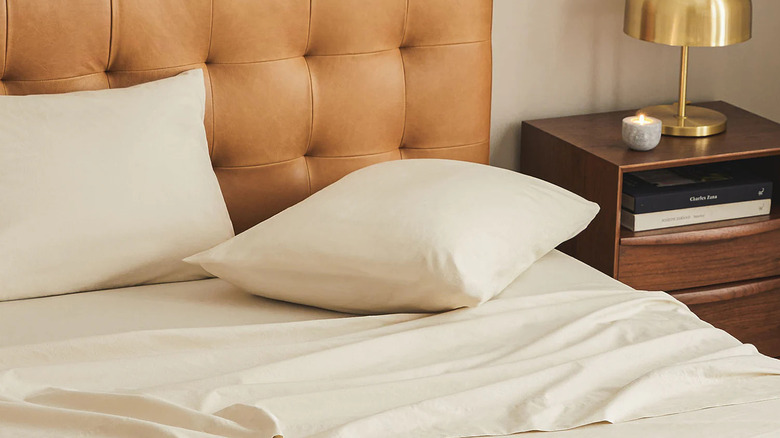
Bed sheets are made from natural fibers like cotton, linen, and silk, or manufactured fibers like polyester, rayon, and microfiber.
When shopping for bedding in the United States, you will find bed sheets made from many different materials. Cotton sheets are common in American homes because they are soft, breathable, and easy to wash. Other popular choices include linen, bamboo-derived rayon, polyester, microfiber, and silk. Each material has its own feel, price, and care needs.
The material affects more than how a sheet feels against your skin. It also affects how much heat it holds, how it handles moisture, how easily it wrinkles, and how long it may last. For example, a family in hot Florida may prefer a different fabric from someone living through cold winters in Minnesota. Understanding the fibers makes it easier to choose sheets that fit your home and sleeping habits.
Another detail matters: the fiber and the fabric construction are not the same thing. Cotton is a fiber, while percale and sateen describe ways of weaving that fiber. Flannel describes a brushed fabric finish, and microfiber describes very fine synthetic fibers. Once you understand these differences, bedding labels become much easier to read.
What Materials Are Commonly Used to Make Bed Sheets?
Bed sheets are made from natural fibers, manufactured fibers, or a blend of both. Natural fibers come from plants or animals. Manufactured fibers are produced through industrial processes using chemical materials or processed natural substances.
Cotton is one of the most widely used sheet materials. Linen, which comes from flax, is another natural option. Silk comes from silkworm cocoons, while polyester is made from synthetic polymer fibers. Bamboo-based bedding and Tencel are usually made from regenerated cellulose fibers.
Manufacturers turn these fibers into yarn and then create fabric by weaving or knitting the yarn. They may also brush, dye, soften, or finish the fabric to change its appearance and feel. This means two sheets made from the same fiber can feel quite different.
Source: m.media-amazon.com
Natural plant fibers
Cotton, linen, and flax-based fibers come from plants. They are widely used in bedding because they can offer softness, airflow, and moisture absorption.
Natural animal fibers
Silk comes from silkworm cocoons. It has a smooth surface and is often used for premium bedding.
Synthetic fibers
Polyester and nylon are manufactured fibers. They are often used in affordable sheets because they can resist wrinkles and dry quickly.
Regenerated cellulose fibers
Rayon, viscose, lyocell, and modal are made by processing cellulose, often from wood pulp or other plant sources, into textile fibers.
Blended fibers
Cotton-polyester and other blends combine two or more fibers to change the feel, care needs, cost, or performance of a sheet.
How Are Bed Sheets Made?
The process starts with raw fibers. Cotton is separated from seeds, flax fibers are taken from the flax plant, and synthetic fibers are produced through manufacturing processes. These fibers are cleaned and prepared before they are spun into yarn.
The yarn is then woven or knitted into fabric. A manufacturer may use a plain weave, a sateen weave, or a knitted construction. After that, the fabric can be washed, dyed, brushed, or treated to create the final sheet.
The finished material is cut and sewn into flat sheets, fitted sheets, and pillowcases. Elastic may be added around the edges of fitted sheets so they stay in place on a mattress.
Fiber preparation
Raw materials are cleaned, sorted, and prepared for spinning.
Yarn production
Prepared fibers are spun or processed into yarn suitable for textile production.
Fabric construction
Yarn is woven or knitted to create the sheet material.
Finishing and sewing
The fabric may receive color or surface treatments before being cut and sewn into bedding.
Cotton Bed Sheets: A Popular Natural Choice
Cotton bed sheets are made from fibers that grow around the seeds of the cotton plant. These fibers are spun into yarn and woven or knitted into fabric. Cotton is popular because it is soft, easy to find, and suitable for many different sleeping environments.
Cotton can absorb moisture and allow air to move through the fabric. These qualities make it useful for everyday bedding. It is also available in many weights, textures, colors, and price ranges.
However, not all cotton sheets are alike. Fiber length, yarn quality, fabric construction, and finishing methods can change the final feel. A well-made sheet with moderate thread count may feel better than a poorly made sheet with a very high number.
Source: ucarecdn.com
Breathability
Cotton allows air to pass through the fabric, although the exact airflow depends on the weave and fabric weight.
Moisture absorption
Cotton can absorb moisture from the body. It may feel damp if a large amount of sweat collects in the fabric.
Easy maintenance
Many cotton sheets can be machine-washed and tumble-dried, provided the care label allows it.
Possible shrinkage
Cotton can shrink when exposed to high washing or drying temperatures, especially if it has not been pre-shrunk.
Regular Cotton
Regular cotton sheets are often made from Upland cotton, a widely grown cotton type. They are common in American homes because they are available at many price points and work for everyday use.
The feel depends on the fiber length and manufacturing quality. Shorter fibers can create a rougher yarn and may be more likely to form pills over time. Longer fibers can produce smoother, stronger yarn.
Best feature
Wide availability and a useful balance of comfort and price.
Main limitation
Quality can vary widely between manufacturers and fabric constructions.
Egyptian Cotton
Egyptian cotton is a type of cotton associated with production in Egypt. Genuine Egyptian cotton can include long or extra-long staple fibers. These longer fibers can be spun into fine yarns that feel smooth and can offer good strength.
The name alone does not guarantee that a sheet is high quality. Buyers should check the fiber content, origin claims, and product information rather than assuming every sheet labeled Egyptian cotton has the same properties.
Main benefit
Longer fibers can support smooth yarn and durable fabric.
What to check
Look for clear fiber and origin information rather than relying only on a luxury label.
Pima and Supima Cotton
Pima cotton is a long-staple cotton grown in several countries, including the United States. Its longer fibers can make smooth yarn that resists some forms of surface wear.
Supima is a registered trademark for qualifying American-grown Pima cotton. It identifies a specific cotton category with requirements for fiber quality and origin. It is not a separate type of synthetic or natural material.
Pima cotton
A long-staple cotton known for producing soft and durable fabrics.
Supima cotton
A trademarked form of American-grown Pima cotton with supply and quality requirements.
Organic Cotton
Organic cotton sheets are made from cotton grown and certified under an organic production standard. In the United States, USDA organic rules govern the use of organic claims for agricultural products and certain processed products.
Organic does not automatically mean that a sheet is free from every chemical or that it is softer than conventional cotton. Dyeing, spinning, finishing, and other production steps still matter. Check which certification applies and what it covers.
Main benefit
Organic certification can provide information about how the cotton was grown and handled.
Important limit
The word organic alone does not establish the complete chemical safety or environmental impact of the finished sheet.
Linen Bed Sheets: What Are They Made Of?
Linen bed sheets are made from fibers taken from the flax plant. The fibers are processed, spun into yarn, and woven into a fabric known for its natural texture and strength. Linen is one of the oldest plant-based textile materials.
Compared with many cotton fabrics, linen often has a more textured feel. It can feel crisp or slightly rough when new, but repeated washing and use may soften it. Its open fabric structure can help air move through the sheet.
Linen can also absorb moisture. This makes it appealing to people who want bedding that feels less heavy in warm conditions. However, linen wrinkles easily, and good-quality linen sheets can cost more than basic cotton options.
Source: housedigest.com
Raw material
Linen comes from the flax plant, not from cotton or bamboo.
Texture
It often has a natural, slightly uneven texture that becomes softer with use.
Airflow
Its fabric structure can support good ventilation and moisture handling.
Durability
Strong flax fibers can make well-made linen fabric long-lasting when properly cared for.
Care
Linen wrinkles naturally and may need gentle washing to reduce wear and shrinkage.
Is Linen Better Than Cotton?
Neither material is better for every sleeper. Linen may appeal to people who like a relaxed texture, natural wrinkles, and an airy feel. Cotton may suit people who prefer a smoother surface and easier access to different styles and prices.
For example, someone who likes a crisp hotel-style bed may prefer cotton percale. Someone who enjoys a loose, textured look may prefer linen. The right choice depends on the feel, care needs, and budget that matter most.
Choose linen if
You like textured fabric, natural plant fibers, and a relaxed appearance.
Choose cotton if
You want a familiar, versatile fabric with many weave and price options.
Bamboo Bed Sheets: Are They Really Made From Bamboo?
Most bamboo bed sheets sold in the United States are made from regenerated cellulose fibers, such as rayon or viscose, produced from bamboo pulp. They are not usually made by weaving raw bamboo into ordinary textile fabric.
The manufacturing process turns bamboo cellulose into a usable textile fiber. In common viscose production, the pulp is treated with chemicals and converted into a solution that can be formed into fibers. The resulting material may feel soft, smooth, and lightweight.
This distinction matters because bamboo describes the original plant source, while rayon or viscose describes the manufactured textile fiber. The final sheet is not the same as a piece of raw bamboo fiber.
Source: textilelearner.net
Bamboo viscose
A regenerated cellulose fiber made by processing bamboo pulp. It is often soft and smooth.
Bamboo rayon
A common name used for rayon made from bamboo-derived cellulose.
Bamboo lyocell
A different type of regenerated cellulose fiber made through a distinct solvent-based manufacturing process.
Bamboo linen
A less common textile made by mechanically processing bamboo fibers rather than using the usual rayon process.
Are Bamboo Sheets Breathable?
Bamboo-derived rayon sheets often have a smooth, light feel and can offer useful moisture handling. Some people find them comfortable in warm rooms, but the actual result depends on the fiber type, weave, thickness, and finishing process.
A bamboo label does not guarantee that every sheet will keep you cool. A dense fabric may feel warmer than a lightweight version. The room temperature, mattress, comforter, and personal sleep habits also affect how hot the bed feels.
Potential advantage
Many bamboo-derived rayon fabrics have a soft surface and a lightweight feel.
Potential drawback
Manufacturing can involve chemical processing, and environmental claims need to be checked against the actual production method.
Are Bamboo Sheets Natural?
Bamboo is a natural plant, but bamboo rayon is a manufactured fiber. The cellulose starts with plant material and is then chemically processed into a new textile form.
This is why the label matters. A sheet described as bamboo viscose should not be treated as though it were made from untouched bamboo fibers. When comparing products, look for the actual fiber name and any relevant manufacturing or environmental certification.
Plant origin
The original cellulose can come from bamboo.
Manufactured textile
Chemical or solvent processing changes the cellulose into a textile fiber.
Polyester and Microfiber Bed Sheets
Polyester bed sheets are made from synthetic fibers produced through an industrial chemical process. The fibers are spun into yarn and woven or knitted into fabric. Polyester is popular because it is often affordable, resists wrinkles, and dries relatively quickly.
Microfiber is a fabric made with very fine fibers. Most microfiber sheets are polyester-based, although other synthetic fibers may also be used. The fine fibers can create a smooth or brushed surface that feels soft against the skin.
These materials can be useful for everyday bedding, guest rooms, and households that want easy-care sheets. However, some polyester and microfiber fabrics retain more heat than lightweight cotton or linen. People who sweat heavily at night may prefer a more breathable construction.
Source: image.made-in-china.com
Polyester
A synthetic fiber that is usually wrinkle-resistant, quick-drying, and relatively easy to maintain.
Microfiber
A fabric made from very fine fibers, commonly polyester, that can have a soft and smooth surface.
Brushed microfiber
A surface-finished material with a soft, slightly fuzzy feel.
Polyester blends
A mix of polyester and cotton or another fiber designed to balance different fabric properties.
What Are Cotton-Polyester Sheets Made Of?
Cotton-polyester sheets contain both cotton and polyester fibers. A common blend uses cotton for softness and moisture absorption, while polyester adds strength, wrinkle resistance, and easier care.
The exact proportions matter. A sheet with a higher cotton percentage may feel different from one with mostly polyester. For example, a label showing 60% cotton and 40% polyester tells you that cotton makes up most of the fiber weight.
Blends are often useful for people who want sheets that need less ironing and are generally easy to wash. However, they may not provide the same natural feel as a sheet made entirely from cotton.
Main advantage
A practical balance of comfort, durability, wrinkle resistance, and price.
Main limitation
The synthetic portion can affect breathability and the way the fabric feels.
Are Microfiber Sheets Good for Everyday Use?
Microfiber sheets can work well for everyday use if you prefer a soft surface and simple laundry care. They are also common in lower-cost bedding sets.
Their main limitation is heat retention. Some tightly woven microfiber sheets may feel warm in rooms without good air conditioning. The fabric may also develop static under dry conditions.
Good for
Budget-conscious shoppers, guest rooms, and people who prefer soft, low-wrinkle bedding.
Less suitable for
People who strongly prefer natural fibers or find synthetic bedding too warm.
Silk, Tencel, Modal, and Other Bed Sheet Materials
Not all bed sheets are made from cotton, linen, or polyester. Several other materials are used for bedding, including silk, lyocell, modal, and specialty fabric blends. These materials offer different surface textures, moisture properties, and care requirements.
Some are natural fibers, while others are manufactured from plant-based cellulose. The source material alone does not tell you how the finished sheet was made. The fiber name is the best place to start when comparing these options.
Silk
A natural protein fiber made from silkworm cocoons. It has a smooth feel and often requires gentle care.
Tencel Lyocell
A branded lyocell fiber made from cellulose, often sourced from wood pulp. It is known for its smooth feel and moisture management.
Modal
A type of regenerated cellulose fiber often made from beechwood pulp. It can create soft and flexible fabric.
Rayon
A broad category of regenerated cellulose fibers that includes several manufacturing types.
Wool
An animal fiber sometimes used in specialty bedding. It is more common in blankets and other insulating bed layers than standard sheets.
Silk Bed Sheets
Silk sheets are made from natural protein fibers produced by silkworms. The fibers are carefully processed into fine yarn and woven into a smooth fabric. Mulberry silk is a common type used in premium bedding.
Silk feels smooth and has a distinct natural sheen. It can also help regulate moisture and temperature, although the result depends on fabric weight and construction.
The main disadvantage is care. Silk can be damaged by harsh detergents, high heat, and rough washing. Always follow the care instructions before putting silk bedding in a washing machine.
Best feature
A smooth surface and a light, luxurious feel.
Main drawback
Higher cost and more demanding washing and drying requirements.
Tencel and Lyocell Sheets
Lyocell is a regenerated cellulose fiber made by dissolving plant-based cellulose and forming it into textile fibers. Tencel is a brand name used for certain fibers produced by Lenzing.
Lyocell sheets are often smooth, soft, and lightweight. They can handle moisture well, which may make them comfortable for people who dislike heavy bedding. However, their actual performance depends on the weave, fabric weight, and care method.
Lyocell is not the same as cotton or linen. It starts with plant-based cellulose but goes through a manufacturing process before it becomes a textile.
Fiber source
Cellulose from wood or another suitable plant source.
Common benefit
A smooth surface and useful moisture management.
Care consideration
Follow the label because some lyocell fabrics need gentle washing and controlled drying.
Modal Bed Sheets
Modal is a regenerated cellulose fiber commonly made from beechwood pulp. It is valued for its soft texture and ability to create flexible fabric.
Modal sheets may be sold alone or blended with cotton and other fibers. As with lyocell, the word modal describes the fiber type, not the weave or complete fabric construction.
Main advantage
A smooth, soft feel that works well for lightweight bedding.
Main limitation
Quality, strength, and care needs can differ between products and blends.
What Is the Difference Between Sheet Materials and Weaves?
A sheet material identifies the fiber used to make the fabric, while a weave describes how the yarns are arranged. These are two separate features, and both affect comfort.
For example, cotton percale and cotton sateen are both made from cotton. However, their construction creates different surface textures. Percale usually feels crisp and airy, while sateen feels smoother and often has a slight shine.
Some bedding terms describe finishing rather than weaving. Flannel is usually made by brushing the fabric to raise fine fibers. Jersey sheets are knitted instead of woven, which gives them a stretchy feel.
Percale
A plain one-over, one-under weave. It often feels crisp, light, and breathable.
Sateen
A weave with longer yarn floats on the surface. It often feels smooth and has a slight sheen.
Jersey
A knitted construction that feels flexible and similar to a soft T-shirt.
Flannel
A brushed fabric that traps air and creates a warmer, softer surface.
Twill
A weave with a diagonal pattern that can create a sturdy fabric.
Satin
A fabric construction with a smooth surface and shine. It can be made from silk, polyester, or other fibers.
Percale vs. Sateen: Which Feels Different?
Percale and sateen are two common constructions used for cotton sheets. Percale has a simple crisscross structure that often creates a crisp, matte finish. Sateen uses a different arrangement of yarns that creates a smoother surface.
People who prefer a cool, crisp bed often enjoy percale. People who like a silky touch and a slightly heavier feel may prefer sateen. Neither construction is automatically better because fiber quality and fabric weight still matter.
Percale
Often lighter, crisp, and airy.
Sateen
Often smoother, softer to the touch, and slightly warmer.
What Are Flannel Sheets Made Of?
Most flannel bed sheets are made from cotton, although flannel can also be produced from wool or synthetic fibers. The material is brushed to raise tiny fibers on the surface.
These raised fibers create a soft, fuzzy feel and help trap air. This makes flannel useful during cold weather, especially in homes where bedrooms become chilly during winter.
Material
Usually cotton, but other fibers can be used.
Construction
A brushed finish that creates a fuzzy surface.
Bed Sheet Material Comparison: Which Fabric Should You Choose?
The right sheet material depends on your sleeping habits, room temperature, budget, and laundry routine. A hot sleeper may value airflow more than wrinkle resistance. Someone buying sheets for a guest room may care more about easy washing and a reasonable price.
The table below compares common materials using their general properties. These are broad descriptions, not guaranteed performance results for every sheet. Fabric weight, weave, yarn quality, and finishing can change the final experience.
For everyday comfort
Cotton offers a versatile balance of softness, breathability, and availability.
For a textured feel
Linen provides a relaxed surface and good airflow.
For a smooth surface
Silk, lyocell, and some bamboo-derived rayon fabrics offer a smooth feel.
For a lower purchase cost
Polyester and microfiber are common affordable options.
For colder rooms
Cotton flannel and some brushed synthetic sheets provide more warmth.
Quick Comparison of Common Bed Sheet Fabrics
Use this comparison to narrow your choices. Remember that the same fiber can perform differently when it is woven, knitted, brushed, or blended with another material.
Cotton
Breathable, absorbent, versatile, and easy to find. Suitable for many households and seasons.
Linen
Airy, textured, moisture-absorbing, and often durable. It wrinkles easily and may cost more.
Bamboo-derived rayon
Often smooth and soft, with useful moisture handling. Manufacturing methods and environmental impacts vary.
Polyester
Affordable, quick-drying, and wrinkle-resistant. It may retain more heat than natural fibers.
Microfiber
Soft, lightweight, and easy to maintain. Some versions can feel warm during sleep.
Silk
Very smooth and lightweight. It usually costs more and needs careful washing.
Lyocell
Smooth, soft, and often good at handling moisture. Care instructions depend on the finished fabric.
Flannel
Soft, brushed, and insulating. A useful option for cold nights.
Which Bed Sheet Material Is Best for Hot Sleepers?
Hot sleepers often benefit from lightweight fabrics that allow airflow and handle moisture well. Cotton percale, linen, and some lightweight lyocell or bamboo-derived rayon sheets are common options to consider.
However, no material can guarantee a cool night. A thick comforter, warm mattress, high room temperature, or limited air circulation can make any bed feel hot. Choosing a lighter fabric construction may help more than selecting a premium fiber name alone.
First option
Lightweight cotton percale for a crisp and airy feel.
Another option
Linen for a textured fabric with good airflow.
Alternative
Lightweight lyocell or bamboo-derived rayon if you prefer a smoother surface.
Which Material Is Best for Cold Sleepers?
Cold sleepers may prefer fabrics that feel thicker or hold more warm air. Cotton flannel is a common choice because its brushed surface creates a soft layer that helps retain warmth.
Brushed microfiber and other heavier fabrics can also feel warm. If your bedroom gets cold during winter, you can combine your sheets with a suitable blanket or comforter rather than relying on sheet material alone.
Cotton flannel
A soft, brushed option for cooler seasons.
Brushed microfiber
A synthetic option with a warm and plush surface.
Layered bedding
Use a suitable blanket or comforter to adjust warmth without replacing your sheets.
How to Read Bed Sheet Labels Before Buying
The most reliable way to find out what bed sheets are made of is to read the fiber content label. In the United States, most covered textile products must disclose their generic fiber names and percentages by weight, along with country-of-origin and manufacturer or marketer information.
A label such as 60% cotton and 40% polyester tells you more than a front-of-package phrase such as luxury blend. The percentages show how much of each fiber is present by weight. Fibers are generally listed from the highest percentage to the lowest, subject to applicable labeling rules.
Also check the washing instructions, mattress size, and pocket depth. A good fabric will not be useful if the fitted sheet does not fit your mattress or the care requirements do not suit your household.
Fiber content
Look for exact percentages, such as 100% cotton or 60% cotton and 40% polyester.
Country of origin
Check where the textile product was processed or manufactured.
Care instructions
Review washing temperature, drying instructions, and any restrictions on bleach or ironing.
Mattress fit
Check the sheet dimensions and fitted-sheet pocket depth, especially for thick mattresses.
Certifications
Check the name and scope of any certification rather than assuming a general safety or environmental claim covers every production step.
What Does 100% Cotton Mean?
A 100% cotton label means the textile fiber content is cotton, subject to applicable labeling rules and permitted exceptions. It does not tell you whether the cotton is long-staple, organic, Egyptian, or Supima.
It also does not identify the weave. A 100% cotton sheet may be percale, sateen, flannel, or jersey. You need the product description or construction details to learn more.
What it confirms
The disclosed fiber content is cotton.
What it does not confirm
The exact cotton variety, weave, softness, thread count quality, or expected lifespan.
What Does a Cotton Blend Mean?
A cotton blend contains cotton and one or more other fibers. For example, a 70% cotton and 30% polyester sheet contains more cotton than polyester by weight.
The blend percentage can affect the final texture, moisture absorption, wrinkle resistance, and heat retention. Always compare the complete label instead of relying on the word cotton in the product name.
Higher cotton content
Usually provides more of the characteristics associated with cotton.
Higher polyester content
May increase wrinkle resistance and reduce drying time.
Do Thread Count and GSM Tell You the Material?
No. Thread count and GSM describe different aspects of fabric construction and weight. They do not tell you whether a sheet is made from cotton, polyester, linen, or rayon.
Thread count generally refers to the number of yarns counted in a square inch of woven fabric. GSM means grams per square meter and measures fabric weight. These measurements can help compare similar products, but they do not replace fiber information.
A very high thread count is not always a sign of better bedding. Fiber quality, yarn construction, weave, and finishing also affect how a sheet feels and performs.
Thread count
A measurement related to the yarn count in a defined area of fabric.
GSM
A measure of fabric weight per square meter.
Fiber content
The information that identifies the material used to make the sheet.
Common Mistakes When Choosing Bed Sheet Materials
A common mistake is choosing sheets based only on their price or advertised thread count. Neither tells the whole story. A low-quality fabric can still feel uncomfortable even when its package uses impressive numbers.
Another mistake is assuming that all natural fibers are automatically better or that all synthetic fibers are uncomfortable. Both groups include materials with different strengths and limitations. The best choice depends on the actual fabric and how you plan to use it.
Assuming bamboo means raw bamboo fiber
Most bamboo sheets are made from processed cellulose fibers such as rayon or viscose. Read the actual fiber description.
Believing higher thread count always means better quality
Fiber quality, yarn structure, and weave can matter more than a large thread count.
Ignoring the weave
Two cotton sheets can feel very different when one is percale and the other is sateen.
Ignoring care instructions
Hot washing or high dryer heat can damage certain fabrics or cause shrinkage.
Treating every organic claim as the same
Check the certification and what part of the supply chain it covers.
Buying without checking mattress depth
A fitted sheet with shallow pockets may slip off a thick mattress.
Are Natural Bed Sheets Always Better Than Synthetic Sheets?
Natural materials are not automatically better for every household. Cotton and linen offer plant-based fibers, while silk is an animal-based fiber. Polyester and microfiber offer practical benefits such as low cost, quick drying, and wrinkle resistance.
Environmental impact also depends on more than whether a fiber is natural or synthetic. Growing, processing, dyeing, transportation, durability, and disposal all play a role. A meaningful comparison needs to consider the complete product rather than one label.
Natural materials
May appeal to people who prefer plant-based or animal-based fibers and their traditional textures.
Synthetic materials
May suit people who value low-maintenance bedding and a lower purchase price.
Are All Bed Sheets Safe for Sensitive Skin?
No single fiber can guarantee that a sheet will suit every person with sensitive skin. Reactions can depend on the fiber, dyes, finishing agents, detergent residue, fabric texture, and personal sensitivities.
If you are concerned about irritation, choose a fabric that feels comfortable, wash new sheets before use according to the care label, and use a detergent you already tolerate. If irritation continues or becomes severe, seek appropriate medical advice rather than assuming the fiber is the only cause.
Check the fabric
Look for a smooth texture that does not cause friction or discomfort.
Check certifications
A relevant textile certification may provide additional information about tested substances and product requirements.
Wash before use
Follow the manufacturer’s care instructions to remove dust and some processing residues.
A Practical Way to Choose the Right Bed Sheet Material
The easiest way to choose sheets is to start with your sleeping conditions, then narrow the options by feel, price, and maintenance. You do not need the most expensive material to get comfortable bedding.
Think about your bedroom in different seasons. An air-conditioned bedroom in Texas may need different bedding from an unheated bedroom in the Northeast during winter. Your comforter, mattress protector, and room ventilation also influence how the sheets feel.
Step 1: Identify your temperature needs
Choose lightweight and breathable constructions if you often feel hot. Consider brushed or heavier fabrics if you feel cold.
Step 2: Choose your preferred texture
Pick crisp percale, smooth sateen, textured linen, soft jersey, or plush flannel based on the surface you enjoy.
Step 3: Set a realistic budget
Compare products with similar fiber content and construction instead of comparing prices alone.
Step 4: Check maintenance needs
Choose a material that fits your normal washing and drying routine.
Step 5: Confirm the label and fit
Read the fiber percentages, care instructions, and fitted-sheet dimensions before buying.
Example: Choosing Sheets for a Warm American Home
Imagine a household in Arizona where the bedroom stays warm for much of the year. The person sleeping there often wakes up feeling hot and wants a lighter bed surface.
Cotton percale or linen may be useful starting points because both can offer an airy feel. Lightweight lyocell or bamboo-derived rayon may also be worth comparing if a smooth surface is preferred.
The buyer should still check fabric weight and construction. A dense sheet may feel warmer than a lightweight version, even when both have similar fiber labels.
Likely starting point
Lightweight cotton percale or linen.
Alternative
Lightweight lyocell or bamboo-derived rayon.
Additional adjustment
Use a lighter comforter and improve bedroom airflow if the whole bed feels too warm.
Example: Choosing Sheets for a Cold Winter Bedroom
Now imagine a home in Michigan during winter. The bedroom becomes cold at night, and the sleeper wants a soft, warm surface.
Cotton flannel or brushed microfiber may be suitable options. A warm blanket or comforter can add another layer without requiring a complete change to the bed setup.
This example shows why material selection should reflect the room and the person using the bed. A fabric that feels comfortable in July may not be the best option for January.
Likely starting point
Cotton flannel for a brushed, warm surface.
Alternative
Brushed microfiber for a soft synthetic surface.
Additional adjustment
Add a suitable blanket or comforter for more warmth.
What Other Bed Sheet Guides May Leave Unclear
Many bed sheet guides compare cotton, linen, bamboo, polyester, and silk by softness or temperature. That information is useful, but shoppers also need to understand how the fiber name relates to the finished fabric.
In the comparison pages reviewed for this guide, material properties and buying tips received useful attention. However, some distinctions deserve more explanation, especially the difference between bamboo as a plant source and rayon as a manufactured fiber, and the difference between a fiber and a weave.
The following gap map separates practical questions inferred from the buying process from questions that were not independently verified as live search queries. It does not claim to measure search volume or represent every article available online.
Question: Does bamboo bedding contain actual bamboo fibers?
Reader stage: Before buying. Basis: Inferred next need from common bamboo product descriptions. Coverage in reviewed pages: Answered, but the manufacturing distinction is often brief. Reader benefit: Helps buyers understand what rayon and viscose mean.
Question: Does thread count identify the sheet material?
Reader stage: Comparing products. Basis: Inferred next need from common bedding measurements. Coverage in reviewed pages: Answered at a basic level. Reader benefit: Prevents shoppers from confusing fabric weight or yarn count with fiber content.
Question: How do percale, sateen, and flannel differ?
Reader stage: Choosing a fabric feel. Basis: Inferred next need from the difference between fiber and fabric construction. Coverage in reviewed pages: Answered, with varying levels of detail. Reader benefit: Makes it easier to compare sheets made from the same fiber.
Question: How can buyers verify the fiber percentages?
Reader stage: Before purchase. Basis: Inferred next need from the need to compare product claims. Coverage in reviewed pages: Shallow in general shopping guides. Reader benefit: Encourages buyers to use the actual fiber label and understand its information.
Question: Does a natural or organic label guarantee a safer finished sheet?
Reader stage: Evaluating product claims. Basis: Inferred next need from interest in skin comfort and environmental claims. Coverage in reviewed pages: Shallow or not checked in some comparisons. Reader benefit: Encourages readers to examine certification scope and finished-product information.
Why These Questions Matter
A sheet can be advertised as bamboo, organic, luxury, or cooling without giving a complete picture of its construction. The fiber label, manufacturing description, and care instructions provide more useful information.
The best next step is to compare two or three products with the same type of fiber and similar construction. This makes differences in price, quality, and care easier to understand.
Prioritize accurate fiber information
Look for the full fiber composition rather than a broad marketing name.
Compare like with like
Compare similar weaves and fabric weights before judging differences in comfort.
Check the finished product
Review care requirements, certifications, and product details instead of relying on raw material claims alone.
Frequently Asked Questions
Q
What is the most common material used to make bed sheets?
Cotton is one of the most common materials used to make bed sheets. It is popular because it is breathable, soft, widely available, and suitable for everyday use. Polyester, microfiber, linen, and bamboo-derived rayon are also common options.
Q
Are bed sheets made from 100% cotton?
Yes. Many bed sheets are made from 100% cotton. However, some contain blends of cotton and polyester or other fibers. Check the product’s fiber content label to see the exact percentages.
Q
Are bamboo sheets actually made from bamboo?
Most bamboo sheets are made from rayon or viscose produced using bamboo pulp. The plant provides the original cellulose, but manufacturing changes that cellulose into a textile fiber. Therefore, most bamboo sheets are not made by directly weaving raw bamboo fibers.
Q
Are polyester bed sheets better than cotton?
Neither material is better for everyone. Polyester is often affordable, wrinkle-resistant, and quick-drying. Cotton is generally more breathable and absorbs moisture well. People who sleep hot may prefer lightweight cotton, while people who want low-maintenance bedding may prefer polyester.
Q
What material is best for bed sheets if you sweat at night?
Lightweight cotton, linen, and some lyocell or bamboo-derived rayon sheets are common options for people who sweat at night. These materials can offer useful airflow or moisture handling. However, room temperature, fabric weight, and the rest of the bedding also affect comfort.
Q
What are luxury bed sheets usually made of?
Luxury bed sheets are often made from long-staple cotton, such as qualifying Egyptian or Pima cotton, linen, silk, or lyocell. The term luxury is not a fiber type or a quality guarantee. Fiber quality, yarn construction, weave, finishing, and workmanship determine the actual product.
Q
Are microfiber sheets made of plastic?
Most microfiber sheets are made from very fine polyester fibers, and polyester is a synthetic material derived from chemical feedstocks. Some microfiber fabrics can contain other synthetic fibers. Check the label to identify the exact composition.
Q
What are flannel bed sheets made of?
Most flannel bed sheets are made from cotton. However, flannel can also be produced using wool or synthetic fibers. The term flannel describes a fabric that has been brushed to create a soft, fuzzy surface rather than one specific fiber.
Q
Is linen made from cotton?
No. Linen is made from fibers taken from the flax plant, while cotton comes from the cotton plant. Both are natural plant fibers, but they have different structures and fabric characteristics.
Q
How can I tell what my existing bed sheets are made of?
Check the sewn-in label or original packaging for the fiber content. It may say 100% cotton, 100% polyester, or give percentages for a blend. If the label is missing, appearance and touch may provide clues, but they cannot reliably confirm the exact fiber composition. A textile laboratory can identify fiber content when accurate testing is necessary.
✦ Wrapping Up
Conclusion
Bed sheets are made from several types of natural and manufactured fibers. Cotton, linen, silk, polyester, microfiber, bamboo-derived rayon, and lyocell are among the most common materials. Each offers a different balance of softness, breathability, warmth, durability, price, and care needs.
Cotton is a versatile option for everyday bedding, while linen offers a textured and airy feel. Bamboo-derived rayon and lyocell provide smooth surfaces, and polyester or microfiber can be useful when affordability and easy care matter most. Silk offers a distinct smooth feel but needs more careful maintenance.
The most useful buying lesson is to look beyond the name on the package. Check the actual fiber content, weave, fabric weight, care instructions, and mattress fit. These details help you understand what you are buying and whether it suits your home.
💡 Key Takeaway
Before buying your next set of bed sheets, check the fiber content label first. Then compare the weave, fabric weight, care instructions, and mattress fit. Choose the material that matches your sleeping temperature, preferred texture, budget, and laundry routine rather than relying on marketing terms or thread count alone.