
The ideal master bedroom size ranges from 200 to 400 square feet, balancing comfort and functionality.
A well-designed master bedroom is essential for creating a serene personal retreat within your home. It should not only accommodate your furnishings but also provide space for movement and relaxation, thus making the question of how big a master bedroom should be quite significant. In this article, we will explore the optimal dimensions, layout considerations, and design elements that contribute to crafting your perfect master bedroom, ensuring you make informed decisions whether you're building from scratch or renovating an existing space.
Understanding the Ideal Size
When contemplating the size of a master bedroom, several factors come into play, including your personal needs, lifestyle preferences, and the average dimensions prevalent in your area. While a range of 200 to 400 square feet is often recommended, let's delve deeper into what this encompasses.
Layout Considerations
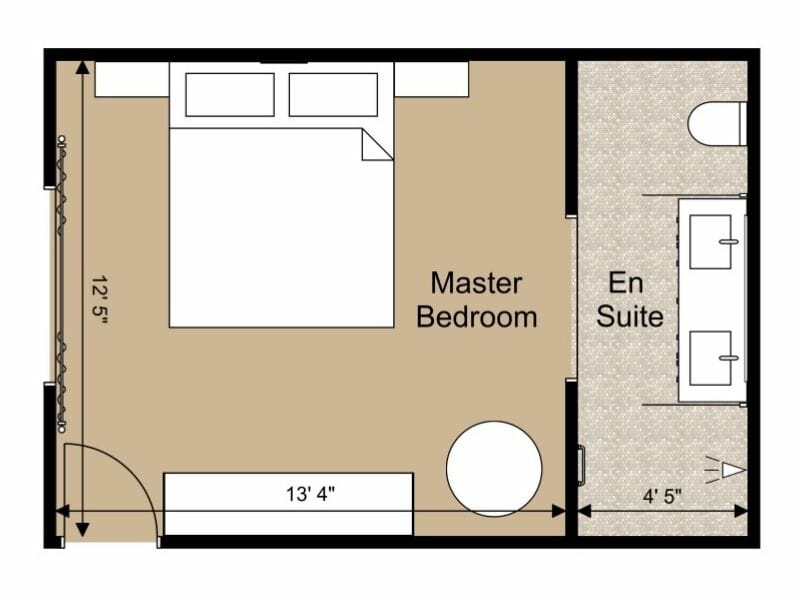
The spatial arrangement of furniture and decor can significantly influence how spacious a room feels. Here are essential aspects to consider:
- Furniture Placement: Ensure there is enough space for essential furnishings such as a bed, side tables, dressers, and perhaps a seating area.
- Flow: Leave pathways for easy movement in and out of the room. A layout that hinders flow can make even a large room feel cramped.
- Zoning: If your master bedroom is larger, consider defining areas for sleeping, dressing, and perhaps a reading nook. This can enhance the room's functionality.

Balancing Size and Functionality
-
Minimum Space Requirements: For basic functionality, most experts agree that a master bedroom should at least be 10 feet by 12 feet, providing enough space for a standard bed and minimal furnishings.
-
Optimal Comfort: Spaces around the bed are vital—aim for at least 2 to 3 feet on either side of the bed for movement. This allows easy access to nightstands and creates a more open atmosphere.
-
Additional Considerations: If you plan to include a seating area, desk, or additional storage, you may want to increase the size further. A bedroom of 300 to 400 square feet can accommodate these elements comfortably, especially useful if you value functionality over mere aesthetics.
Factors Influencing Master Bedroom Size Decisions
Choosing the right size for your master bedroom often depends on various external and internal factors, including:
- Home Value: Larger master bedrooms can enhance property value, appealing to homebuyers.
- Local Trends: Research local real estate trends to gauge average sizes. A smaller home in an urban area may have different standards than a suburban home.
- Personal Comfort: Ultimately, dimensions should reflect how you envision using the space; think about your lifestyle needs and preferences.
Design Tips for Maximizing Space
-
Vertical Storage: Utilize wall space for shelving, which can keep the floor clear and help the room feel larger.
-
Mirrors: Strategically place mirrors to reflect light and create an illusion of depth. This can make the room feel more spacious than it is.
-
Color Scheme: Light colors can contribute to a more airy and open feel, while darker tones may make a space feel cozy.
-
Decluttering: Keep only essential items in the bedroom. A clean, minimalist approach helps avoid overcrowding.
Frequently Asked Questions
What is the average size of a master bedroom?
The average size of a master bedroom typically ranges between 200 to 400 square feet, depending on the design of the house and the intended use.
Can a master bedroom be too big?
While a larger master bedroom can be luxurious, excess space without purpose can feel empty and underutilized. Aim for a balance based on personal needs.
What are some common dimensions for a king-sized bed in a master bedroom?
A king-sized bed typically measures 76 inches wide by 80 inches long and requires a room at least 12 feet by 12 feet for comfortable movement around the bed.
How do I determine the best size for my master bedroom?
Consider your lifestyle, the amount of furniture you need, local market standards, and how you envision using the space. This will guide you towards an appropriate size.
What layout maximizes space in a small master bedroom?
Positioning the bed against the longest wall while leaving space for nightstands can enhance the flow. Consider vertical storage and multipurpose furniture to maximize limited space effectively.
Conclusion
Determining the ideal size for your master bedroom involves a thoughtful assessment of your needs, lifestyle, and design preferences, as well as consideration of current real estate trends. Striking a balance between comfort and functionality is key, and with the right layout and design elements, you can create a personal sanctuary that meets your requirements perfectly. Whether you’re renovating or building a new home, remember that the heart of your master bedroom lies in its ability to reflect you and cater to your relaxation needs. Embrace this opportunity to make informed decisions, and don't hesitate to reach out to design professionals for further guidance. Explore additional resources or leave a comment to share your thoughts!
