
Different home decor styles span modern, traditional, minimalist, Scandinavian, farmhouse, boho, and more.
If you want a clear map of what are the different home decor styles, you are in the right place. I design real homes for real lives, so this guide blends pro insight with simple steps. You will learn the look, the feel, and the must-know tips for each style so you can shape a space you love.
:max_bytes(150000):strip_icc()/20230224mldcinnamonoakln-0096-edit-edit-2-32be80da2e7843e5b80df611cc00b82e.jpeg)
What are the different home decor styles?
When people ask what are the different home decor styles, I group them by vibe, lines, and mood. Think clean lines, soft curves, rich layers, or rustic charm. Each style has key colors, textures, and shapes. You can pick one or mix a few.
Here is a quick map of the main families:
- Clean and current: Modern, Contemporary, Minimalist, Scandinavian, Japandi
- Warm and classic: Traditional, Transitional, French Country
- Raw and rustic: Farmhouse, Rustic, Industrial
- Bold and glam: Art Deco, Hollywood Glam, Maximalist
- Relaxed and global: Bohemian, Eclectic, Coastal, Mediterranean
- Wabi-sabi and mindful: Natural calm with beauty in flaws
People also ask what are the different home decor styles that fit small spaces or rentals. You will find those answers below, plus mix and match tips that work.

Modern and Contemporary
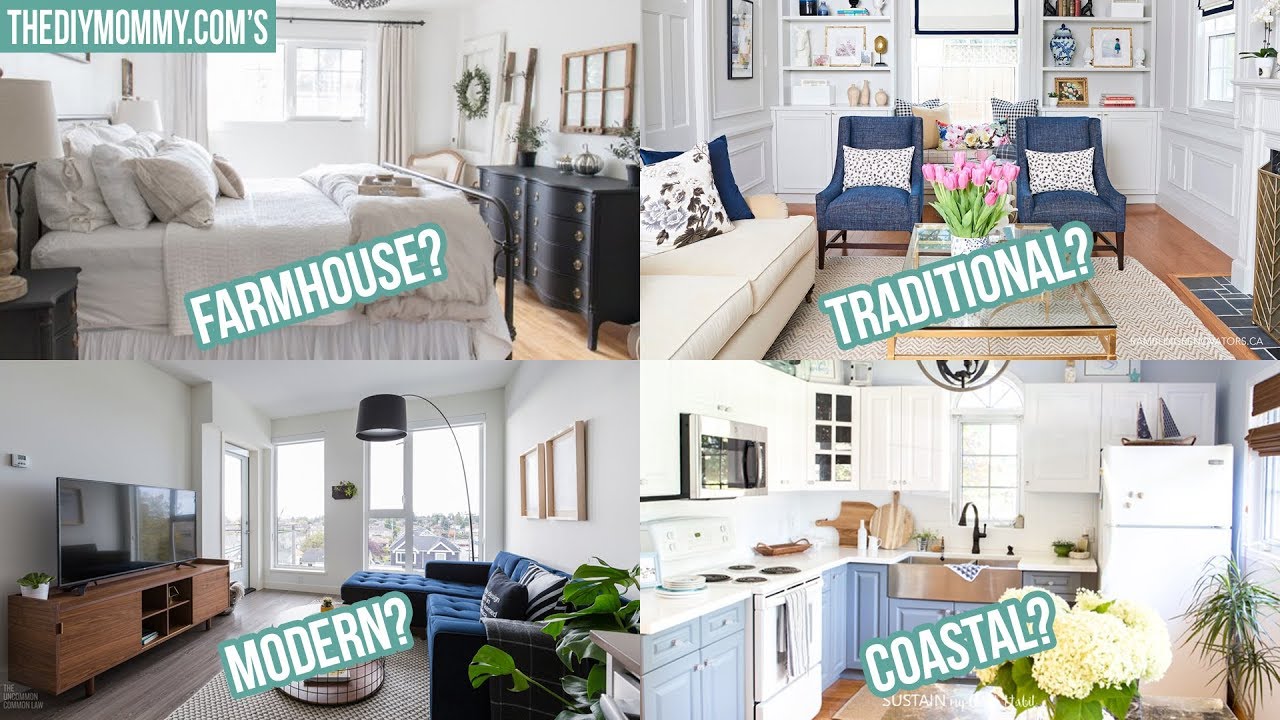
Modern refers to a set period. Think mid 20th century roots with clean lines and function first. Contemporary means of the now. It shifts with the times and often blends many looks.
Traits you will see:
- Low, simple furniture with open legs
- Neutral palettes with sharp contrast
- Smooth surfaces like glass, metal, and lacquer
Best for:
- Open plans, condos, and new builds
- People who like order and simple zones
Limitations:
- Can feel cold if you skip texture
- Needs strong lighting layers to avoid glare
Pro tip from my projects:
- Warm it up with wood tones, nubby rugs, and dimmable lights. A single bold art piece adds soul without clutter.
:strip_icc()/helfordln-1-7556f8609cb94144b0fca16114979ecb.jpg)
Minimalist and Scandinavian
Minimalist is the art of less. Scandinavian adds warmth, light wood, and cozy layers to the same clean base.
Traits you will see:
- Simple shapes and lots of white space
- Soft woods like oak and ash
- Cozy touches like wool, linen, and candles
Pros:
- Easy to clean and style
- Calms a busy mind and a small room
Cons:
- Can look bare if you skip texture
- Storage needs smart planning
Real-life note:
- In a tiny studio, I used a low sofa, wall shelves, and a pale rug. The room felt twice as big and stayed easy to keep neat.

Mid-Century Modern
This is a fan favorite for good reason. It brings warm wood, organic curves, and timeless forms.
Traits you will see:
- Tapered legs and sleek profiles
- Walnut, teak, and warm leather
- Geometric or abstract prints
Mistakes to avoid:
- All vintage can feel dated. Mix in new lighting or art.
- Do not overload with orange and brown. Use fresh creams and green.
Smart buys:
- A well-made media console or lounge chair anchors the room for years.

Traditional and Transitional
Traditional leans formal with rich wood, trim, and symmetry. Transitional blends that classic base with cleaner, modern lines.
Traits you will see:
- Balanced layouts and layered fabrics
– Crown molding and paneled details - Soft neutrals with navy, burgundy, or emerald
Pros:
- Feels stable and timeless
- Great for family rooms and dining rooms
Cons:
- Full traditional can read heavy
- Needs light fabrics and glass to lift the look
From client work:
- A transitional sofa with classic rolled arms and a slim frame solved the heavy look and kept the room fresh.
Farmhouse and Rustic
Rustic centers on raw wood and weathered charm. Farmhouse adds white paint, shiplap, and simple country details. Modern farmhouse is lighter and more refined.
Traits you will see:
- Distressed wood, iron, and cotton
- Apron sinks, barn doors, and checked textiles
- Warm white walls and black accents
Watch-outs:
- Too many themed signs date the space
- Heavy distressing collects dust
Tip:
- Mix smooth finishes with one rustic hero, like a reclaimed table. It looks curated, not costume.

Industrial
Think lofts, factories, and honest materials. It is raw but chic when done right.
Traits you will see:
- Exposed brick, concrete, and steel
- Open shelving and big windows
- Edison bulbs and statement pendants
Budget ideas:
- Use peel-and-stick brick or limewash for texture
- Choose black metal frames and warm bulbs for a fast shift
From experience:
- I soften industrial with a plush rug and plants. That keeps the room warm without losing the edge.

Bohemian and Eclectic
Boho is relaxed, layered, and global. Eclectic is a mix that still follows a plan.
Traits you will see:
- Pattern on pattern with earthy palettes
- Rattan, cane, and vintage finds
- Plants, textiles, and artisan pieces
Rules that help:
- Choose one base color, then add two accent colors
- Repeat textures three times so the mix feels clear
Lesson learned:
- Clients love color, but we edit. One bold rug, two calm sofas, then pillows bring it to life.
Coastal and Mediterranean
Coastal is light, airy, and breezy. Mediterranean is sun-warmed with arches, tile, and earthy tones.
Traits you will see:
- Coastal: whites, blues, stripes, and driftwood
- Mediterranean: terracotta, olive, plaster, and wrought iron
Pros:
- Both styles brighten dark rooms
- Great with indoor plants and high light
Cons:
- Avoid beach kitsch
- Use real texture, not only themed decor
Design tip:
- Limewash or a soft plaster paint adds instant depth and calm.
Japandi and Wabi-Sabi
Japandi blends Japanese and Scandinavian. It is calm, warm, and simple. Wabi-sabi finds beauty in age and flaw.
Traits you will see:
- Low, simple forms and warm woods
- Matte finishes and hand-made pieces
- Fewer items with more meaning
Why it works:
- Studies in design and wellness link natural materials to lower stress
- Easy to maintain and easy on the eye
When clients ask what are the different home decor styles that feel restful, I often guide them here.
Art Deco and Glam
These styles bring shine and drama. Deco is geometric and rich. Glam adds plush textures and sparkle.
Traits you will see:
- Brass, chrome, and mirror
- Jewel tones and bold geometry
- Velvet, lacquer, and fluted details
Mistakes to avoid:
- Too much shine feels loud
- Balance metal with matte stone and soft fabric
Quick win:
- Swap basic knobs for brass. Add a velvet pillow or two. Small moves, big lift.
Maximalist
More color. More art. More joy. It is bold, but it still needs a plan.
Traits you will see:
- Gallery walls and layered rugs
- Mixed prints with a shared color thread
- Vintage and new living side by side
How to nail it:
- Choose one main palette. Repeat it in every layer.
- Ground the room with a large neutral sofa or rug.
From a recent project:
- A deep green wall tied five art styles together. The room sang without chaos.
How to choose your style
If you wonder what are the different home decor styles that fit your life, start with your daily habits. Style should serve how you live, not the other way around.
Steps that work:
- Save ten rooms you love. Spot the repeat themes.
- Check your closet. Your colors and textures are a clue.
- Set a purpose for each room. Calm, focus, or fun.
- Try a mood board. Swap items until it feels right.
Pro move:
- Pick a base style for 70 percent, a second for 20 percent, and a third for 10 percent. This keeps mix and match under control.
How to mix styles the smart way
Many readers ask what are the different home decor styles that mix well. The answer is: most will, if you share a few threads.
Use these anchors:
- One shared neutral, like warm white or soft gray
- One common wood tone across rooms
- One metal finish as the lead, with a second as an accent
Design guardrails:
- Keep scale consistent. Bulky next to tiny looks odd.
- Repeat shapes. If you have arches, echo them in mirrors or lamps.
Budget and sourcing tips by style
You can get the look without the splurge. Shoppers ask what are the different home decor styles on a budget. Here is how I do it for clients.
Good bets:
- Minimalist and Scandinavian: spend on a sofa and rug. Save on side tables.
- Farmhouse and Rustic: spend on a real wood dining table. Save with thrifted chairs.
- Industrial: spend on lighting. Save with DIY shelves.
- Boho and Eclectic: spend on a hero rug. Save with vintage art and pillows.
- Art Deco and Glam: spend on one show light. Save on velvet pillows and trim.
Where to hunt:
- Estate sales for mid-century and vintage wood
- Maker markets for artisan ceramics and textiles
- Outlet stores for lighting and rugs
Frequently Asked Questions of what are the different home decor styles
What are the different home decor styles for small spaces?
Minimalist, Scandinavian, and Japandi work best due to clean lines and light colors. Use wall shelves and low furniture to open the room.
What are the different home decor styles that never date?
Transitional, Mid-Century Modern, and Classic Coastal age well. They use simple forms and natural materials that stay in style.
What are the different home decor styles with cozy vibes?
Farmhouse, Rustic, and Traditional give a warm, layered feel. Add soft lighting, knit throws, and wood to boost comfort.
What are the different home decor styles if I love color?
Bohemian, Eclectic, and Maximalist celebrate bold hues and pattern. Start with one hero color and repeat it in art and textiles.
What are the different home decor styles for renters?
Contemporary and Industrial adapt fast with peel-and-stick and plug-in lights. Focus on art, rugs, and textiles you can take with you.
How do I know if styles clash?
If colors and shapes fight, the room feels busy. Pick one lead palette and repeat it to tie styles together.
Can I mix metal finishes?
Yes, but pick one lead finish and one support. Repeat each at least three times in the room.
Conclusion
You now know what are the different home decor styles, how they look, and how they feel. Start with the mood you want, then build with a clear palette, texture, and scale. Take one room, set one goal, and make one great choice this week.
Ready for more? Save this guide, share it with a friend, and tell me which style you will try first.