
If you’ve ever wished you could blend soup right in the pot, you’re in the right place. I’ve tested dozens of hand blenders in busy kitchens and small apartments alike, and I know what works in real life. In simple terms, what are immersion blenders used for? They turn hot soups silky, whip up sauces fast, blend smoothies on the fly, and make prep easy with less mess. Let’s dig in so you can use yours like a pro.
Source: learn.surlatable.com
What Is An Immersion Blender?
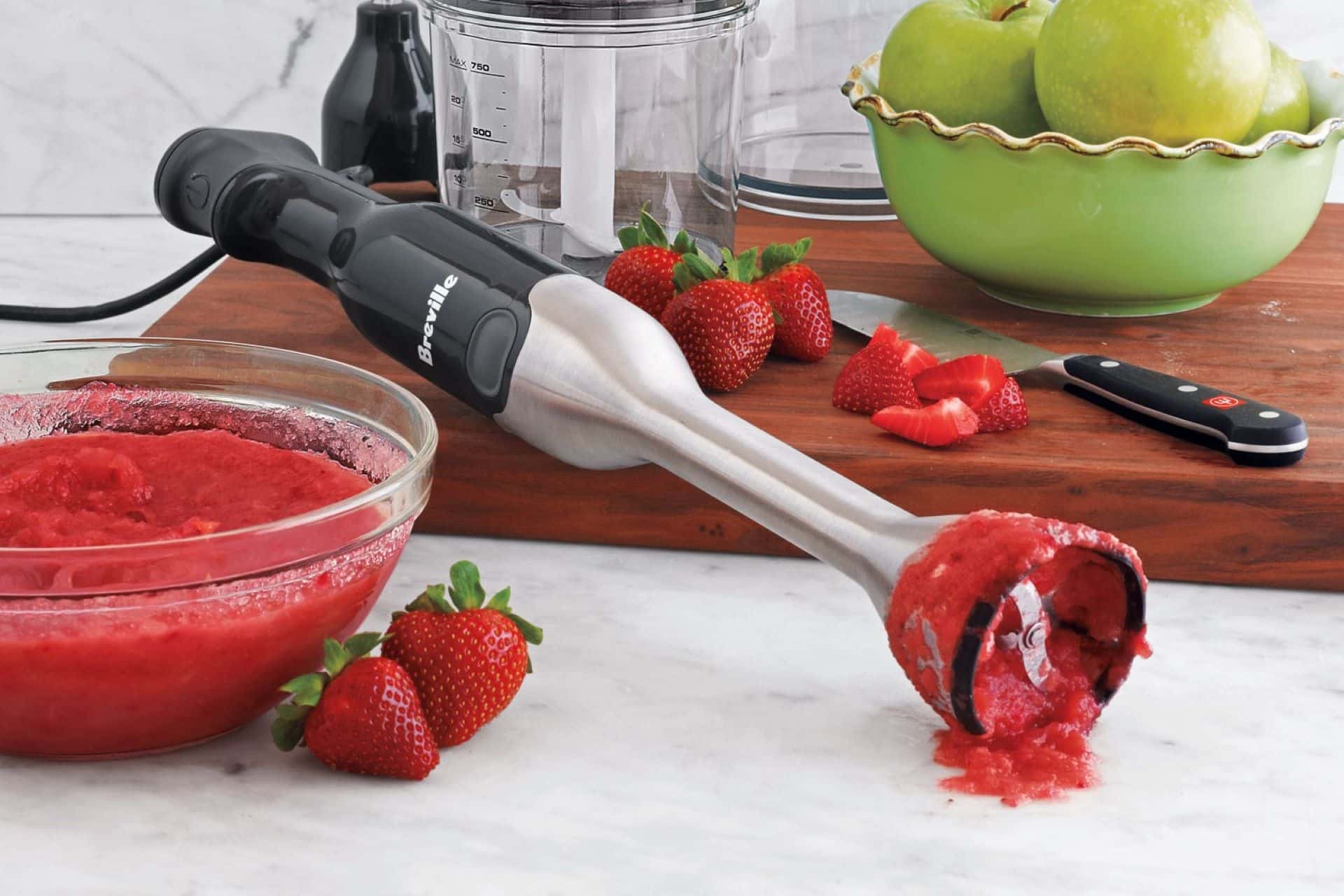
An immersion blender, also called a hand or stick blender, is a handheld tool with a small blade at the end. You put it right into your pot, bowl, or cup to blend. There’s no pouring hot soup into a big blender. That means fewer dishes and more control.
You’ll find corded and cordless models. Most have speed control. Some come with a whisk, a mini chopper, or a beaker. These extras add value for small kitchens.
In my work, I reach for a hand blender when I want fast results and an easy cleanup. It shines with hot mixtures, thin sauces, and quick drinks.
:max_bytes(150000):strip_icc()/sea-primary-immersion-blenders-sep-24-rkilgore-0658-89167e1e4bd44afb93d9c847674b09e4.jpeg)
Source: www.seriouseats.com
Core Uses: From Smooth Soups To Silky Sauces
An immersion blender does five main jobs very well:
- Pureeing soups in the pot Turn chunky vegetables into a smooth blend without lifting a heavy pot. Think tomato, butternut squash, carrot ginger, and potato leek.
- Emulsifying sauces Create a tight bond between oil and water for smooth results. Hollandaise, mayonnaise, Caesar dressing, and pan sauces turn out creamy and stable.
- Blending smoothies and shakes Make single-serve smoothies right in a tall cup. It’s great for banana, berry, and protein shakes.
- Making baby food and purees Cook, then blend to the perfect texture. Portion into trays for the week.
- Whipping and frothing With a whisk or the blade, whip cream, foam milk, or make a quick meringue.
Pro tip from the line: tilt the blender a bit and move in small circles. This pulls food down to the blade and speeds up blending without splashing.
Everyday Tasks You’ll Do In Minutes
Here are simple wins you can do any day of the week:
- Smooth soups Blend right in the pot. Add stock to thin or simmer to thicken.
- Creamy beans Blend half the beans for body, then mix back with whole beans.
- Salsa and sauces Pulse for a chunky texture. Blend longer for a smooth finish.
- Pancake and waffle batter Mix in the bowl. No lumps, less cleanup.
- Hummus and dips Blend chickpeas, tahini, lemon, and garlic in the beaker. Adjust with ice water for a light, fluffy texture.
- Nut and seed sauces Make pesto, romesco, or tahini sauce in small batches.
- Oat milk and plant milks Blend oats or nuts with water, then strain. Works for quick almond, cashew, or oat milk.
- Hot chocolate and coffee drinks Froth milk and blend cocoa into warm milk for a smooth cup.
From my own routine, I use a stick blender to fix split sauces. If my sauce breaks, I add a spoon of warm water and blend for 10 seconds. Nine times out of ten, it comes back silky.
Advanced Techniques And Chef Tips
Once you master the basics, try these:
- Two-texture soups Blend three-quarters smooth. Leave some chunks for contrast.
- Airy purees Add a splash of cold stock and blend at a slight angle. You’ll trap tiny bubbles for a lighter mouthfeel.
- Controlled pulsing Use short bursts to avoid over-blending. This keeps potato soups from turning gluey.
- Stable emulsions Add oil in a thin stream while blending from the bottom up. Keep the head still till you see it thicken.
- Dessert sauces Blend berries with a bit of lemon and sugar. Strain for a glossy coulis.
On the job, I learned to rest the head on the bottom, start low, then lift slightly as the vortex forms. This reduces splatter and gives a satin finish.
Care, Safety, And Maintenance
Safety and care keep your tool sharp and ready:
- Unplug before cleaning Always. Detach the blending arm first.
- Keep blades under the surface Submerge the head before you start to prevent splashes.
- Mind hot liquids Let soups stop bubbling before you blend. Small bursts first.
- Use a deep, narrow container For smoothies and dressings, a tall cup reduces mess and speeds blending.
- Clean right away Rinse and wash the head with warm, soapy water. Dry fully to avoid rust.
- Avoid hard ice and frozen chunks Let them soften a bit. Many home models are not built for rock-hard ice.
I once scorched a plastic cup using the blender in a very hot sauce. Since then, I use heat-safe containers and wait 30 seconds off the heat before blending.
How To Choose The Right Immersion Blender
Match the tool to your needs:
- Power and speed Look for at least 200–300 watts for daily use. Multiple speeds give more control.
- Build quality Metal shafts handle heat better than plastic. A guard with wide cutouts pulls food to the blade.
- Attachments A whisk beats cream and eggs. A mini chopper handles herbs, nuts, onions, and garlic.
- Ergonomics Choose a grip that feels secure. Weight matters if you blend often.
- Cleaning Detachable, dishwasher-safe arms save time.
- Noise and vibration Lower noise and smooth operation mean better control and comfort.
If you batch-cook soups, go for a stronger motor. If you make quick smoothies, a light cordless model can be perfect.
Common Mistakes To Avoid
A few small fixes make a big difference:
- Lifting the head too high This introduces air and causes splatter. Keep the head just under the surface.
- Over-blending starchy foods Potatoes and rice can turn gummy. Pulse and stop early.
- Using tiny amounts The blade needs enough liquid to create a vortex. Add a little more liquid if it struggles.
- Ignoring the angle Blend at a slight tilt and move slowly. You’ll get faster, smoother results.
- Skipping taste checks Blend, taste, then adjust salt, acid, and fat. It’s the fastest way to hit restaurant-level flavor.
One lesson learned the hard way: never scrape the blade with a spoon while it’s plugged in. Unplug, then clean.
Frequently Asked Questions Of What Are Immersion Blenders Used For
Q. Can An Immersion Blender Replace A Regular Blender?
It can for many tasks like soups, sauces, and small smoothies. For thick nut butters, big frozen drinks, or large batches, a countertop blender still does better.
Q. Is It Safe To Blend Hot Soup?
Yes, if you submerge the head, lower the heat, and start on low. Avoid active boiling and use short pulses at first to reduce splashes.
Q. What Foods Should I Avoid?
Very hard ice, tough frozen fruit, and thick doughs strain the motor. Let frozen items soften or add more liquid.
Q. How Do I Get A Stable Mayonnaise?
Put egg, acid, and seasonings in a tall cup. Add oil on top. Place the blender on the bottom, start blending, and hold steady until it thickens. Then lift slowly.
Q. Why Is My Soup Foamy?
You likely introduced air. Keep the head under the surface and blend at a slight angle. Let it rest a minute; foam will settle.
Q. Do I Need Attachments?
Not always. The basic blade covers most jobs. A whisk helps with cream and meringue. A chopper speeds small prep tasks.
Q. How Do I Clean It Fast?
Detach the arm, rinse right away, then wash with warm, soapy water. Run the head in a cup of soapy water for 5 seconds to flush, then rinse.
Conclusion
An immersion blender is a small tool with big power. It blends soups in the pot, makes sauces smooth, and handles daily tasks with ease. With the right method, you save time, cut mess, and boost flavor.
Try one new use this week. Fix a split sauce, blend a bright dressing, or whip up a silky soup. Once you feel the control in your hands, you’ll reach for it every day. Want more tips and recipes? Subscribe, bookmark this guide, and leave your questions in the comments.
Watch This Video on what are immersion blenders used for
>>> Get More Review Here: What Innovations Could Blenders Make <<<