
I’ve cleaned hundreds of makeup sponges across shoots, backstage, and at home. The truth is simple: how to clean beauty blenders comes down to the right cleanser, the right technique, and a gentle touch. Clean sponges blend better, last longer, and keep your skin happier. In this guide, you’ll learn expert-backed methods, smart habits, and real-world tricks I use every day to get a spotless, soft, and safe beauty blender—without ruining it.

Source: www.youtube.com
Why Cleaning Your Beauty Blender Matters
A damp sponge is a cozy home for oil, makeup, and bacteria. If you skip cleaning, you may see breakouts, patchy makeup, bad smells, and stains. Clean tools also help foundation glide on and grip less product, which saves you money.
Most manufacturers recommend washing after each use and deep cleaning weekly. Dermatology guidance supports regular cleansing to reduce microbes and irritants, especially if you have acne-prone or sensitive skin. Good care also keeps the sponge from tearing or crumbling.
:max_bytes(150000):strip_icc()/how-to-clean-beauty-blender-01-realsimple-74a0f7d7b4254a9c83902978302046f9.jpg)
Source: www.realsimple.com
What You Need Before You Start
Gather a small kit. Keep it near your sink so you actually use it.
- Gentle soap: fragrance-free face wash, baby shampoo, or sponge-specific cleanser
- Warm water: not hot, to protect the foam
- A clean towel: microfiber is best
- A vented dish or drying rack: to air dry evenly
- Optional stain help: pure olive oil for long-wear or oil-based makeup
Tip from my kit: I keep a mini pump of gentle liquid soap by the sink. One pump is enough per sponge.
Source: www.virtualsystechnologies.com
Daily Quick Clean: The 60-Second Method
Do this after each use to stop stains and buildup.
- Wet the sponge with warm water until it swells.
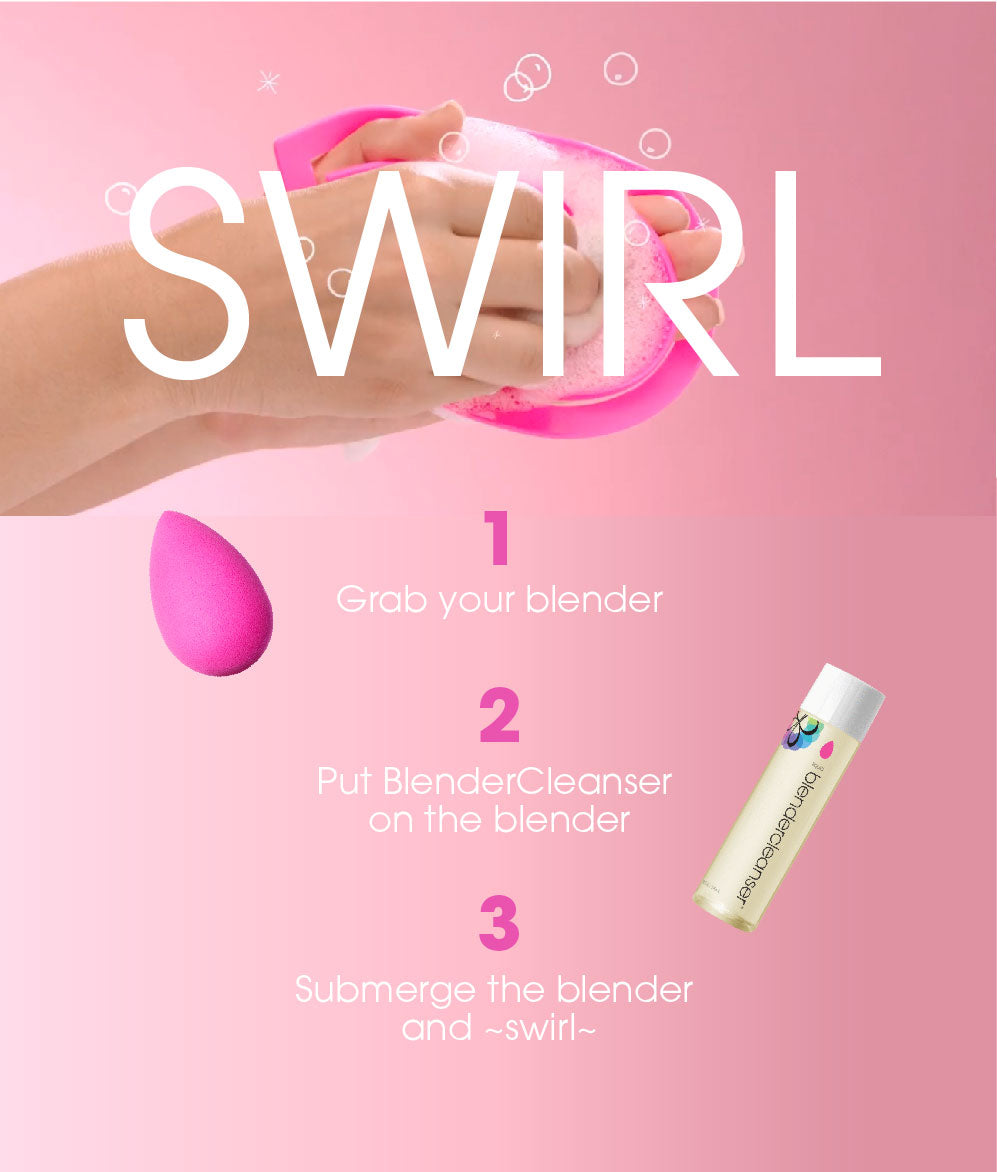
- Add a pea-sized drop of gentle soap.
- Massage and squeeze under running water. Do not twist or pull.
- Repeat until the water runs clear.
- Press out extra water with a clean towel.
- Set on a ventilated rack to air dry.
If you use heavy cream products, do one extra lather. Your sponge should smell clean, not perfumed.
Weekly Deep Clean Methods
Pick one method based on what is on your sponge. I rotate these each week.
Method 1: Soap-and-Squeeze Deep Clean
– Fill a bowl with warm water.
– Add 1–2 pumps of gentle soap and submerge the sponge.
– Squeeze and release under the water for 60–90 seconds.
– Rinse under running water until fully clear.
– Towel press, then air dry.
Method 2: Double Clean For Long-Wear Or SPF
– Massage a tiny drop of olive oil into stained spots for 15–30 seconds.
– Follow with your usual soap-and-squeeze.
– Rinse until no oil slip remains.
– Dry well.
Note: Oil pre-clean breaks down waterproof pigments fast. Use sparingly so the foam stays springy.
Method 3: Solid Cleanser Rub
– Wet the sponge.
– Rub it on a solid cleanser puck in circular motions.
– Squeeze under warm water until clear.
– Dry on a rack.
What I avoid in pro kits: harsh dish soaps, bleach, or solvent cleansers. They strip the foam, crack it, and may irritate skin.
Sanitizing Safely
For most at-home use, thorough washing plus full drying is enough. If you want an extra hygiene step, use contact time.
- Use a gentle antibacterial soap and let the lather sit for 60 seconds before rinsing.
- Avoid alcohol sprays, bleach, or boiling water. These can break foam cells and shorten the sponge’s life.
- Skip microwaving. Heat can deform sponges and cause uneven expansion.
- Let the sponge dry fully. Dryness naturally reduces bacteria.
Evidence from product care guidelines and dermatology best practices supports soap plus airflow as a safe, effective approach.
Drying And Storage To Prevent Mold
Drying is half the job. A damp, sealed sponge can grow mildew.
- Press out water with a clean towel.
- Air dry in open air, away from direct heat and sun.
- Do not store in a closed bag or drawer while damp.
- Use a ventilated stand or mesh tray.
- Clean your storage case weekly.
- If it smells musty or has dark spots, retire it.
In my travel kit, I pack a vented case and dry the sponge overnight by a window.
Troubleshooting And Mistakes To Avoid
– Persistent stains: Pre-treat with a dab of olive oil, then double cleanse.
– Soggy center: You may be using water that is too hot. Switch to warm.
– Tears and crumbling: Stop twisting. Squeeze straight. Use less force.
– Bad odor: Wash, then let it dry longer in open air. Replace if smell remains.
– Product pilling on skin: Your sponge is dirty or oversaturated. Wash, then use damp, not wet.
How Often To Clean And When To Replace
– After each use: Quick clean.
– Weekly: Deep clean.
– Replace every 3 months, sooner if you see tears, flaking, or stubborn odors.
– If you had a skin infection or shared tools, replace sooner for safety.
On set, we rotate sponges and label them by client. At home, color-coding by product type helps too.
Eco-Friendly Tips And Budget Hacks
– Use a gentle bar cleanser to cut plastic waste.
– Wash multiple sponges in one bowl to save water.
– Choose fragrance-free soaps that are biodegradable.
– Extend life by avoiding hot water and harsh chemicals.
– Donate unopened extras or share unopened multipacks with friends.
Small changes add up and still keep hygiene high.
Frequently Asked Questions Of How To Clean Beauty Blenders
Q. How often should I clean my beauty blender?
Do a quick clean after each use and a deeper clean once a week. Replace every 3 months or sooner if damaged.
Q. Can I put my beauty blender in the microwave?
I do not recommend it. Heat can warp foam, cause tears, and is not a reliable sanitizer for porous tools.
Q. What soap is safest for daily cleaning?
Use a gentle, fragrance-free face wash, baby shampoo, or a cleanser made for makeup sponges.
Q. How do I remove stubborn foundation stains?
Pre-treat with a tiny drop of olive oil, massage for 15 seconds, then wash twice with gentle soap and rinse well.
Q. Is it okay to use alcohol or bleach?
No. Alcohol and bleach can damage foam and may irritate skin. Use soap, warm water, and full drying instead.
Q. Can I machine wash my beauty blender?
Avoid it. The machine’s friction and heat can tear the sponge. Hand washing is safer and more effective.
Q. What if my sponge smells bad after washing?
Let it dry longer in open air. If odor stays or you see spots, replace it.
Wrap-Up And Next Steps
Clean tools mean smoother makeup, fewer breakouts, and longer sponge life. Use a quick daily wash, a weekly deep clean, and proper drying. Avoid harsh heat and chemicals. With these simple habits, your beauty blender will stay soft, springy, and spotless.
Try the 60-second clean tonight and set up a small drying spot by your sink. Want more pro tips and product tests? Subscribe, leave a comment with your toughest sponge stains, and I’ll help you fix them.