
If you are asking how much are blenders at Walmart, here is the clear answer. Most blenders at Walmart range from about 15 to 200 dollars, with a few premium picks higher online. I test blenders often, and I shop Walmart aisles and Walmart.com for deals. In this guide, I show you real price ranges, what drives the cost, and how to pick the right model for your kitchen without overspending. Stay with me, and you will leave ready to buy with confidence.

Source: www.ubuy.co.in
Quick Answer: Walmart Blender Prices At A Glance
– Personal mini blenders: about 15 to 35 dollars
– Everyday countertop blenders: about 35 to 80 dollars
– High-performance blenders: about 90 to 200 dollars
– Premium and pro models online: about 200 to 500 dollars, if in stock from select brands
– Replacement jars and accessories: about 10 to 60 dollars
Note: Prices vary by store, region, season, and online availability. In-store Rollbacks, clearance, and online-only deals can shift the final price on any day.
Source: www.walmart.com
What Drives The Price?
– Motor power: More watts often cost more. For smoothies with ice, aim for at least 700 to 1000 watts. For nut butter or hot soups, go higher.
– Jar material: Plastic is cheaper and light. Glass costs a bit more and resists stains. Tritan is tough and BPA-free.
– Capacity: Single-serve cups are cheap. Large 64-ounce jars cost more.
– Controls and programs: One-speed models are low cost. Preset programs and digital panels add to price.
– Blade design: Hardened stainless steel blades last longer and blend smoother.
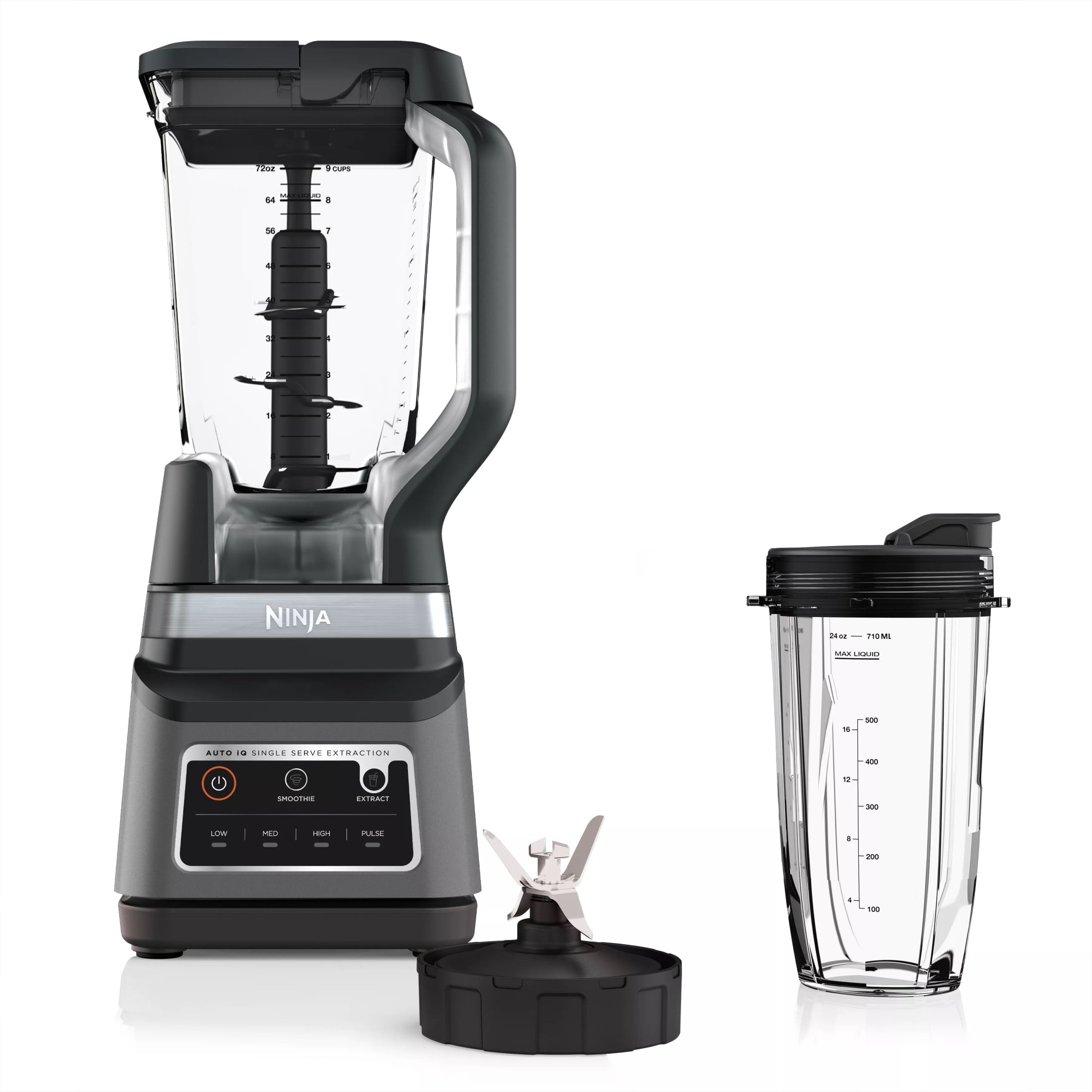
– Brand reputation: Names like Ninja, KitchenAid, and NutriBullet usually price higher than basic brands.
– Attachments: Extra cups, travel lids, and food-chop bowls add cost but boost value.
– Warranty and support: Longer coverage often means a higher price, but better peace of mind.
– Sales channel: Walmart stores may differ from Walmart.com. Marketplace sellers on Walmart.com can price higher or lower.
Price Tiers And Real Examples
Budget Basics: 15 to 35 dollars
– What to expect: 175 to 700 watts, simple buttons, plastic jars, 12 to 48 ounces. Good for soft fruit smoothies and protein shakes.
– Common brands: Hamilton Beach, Oster, Black+Decker, Mainstays.
– Who it fits: First apartments, dorms, and quick shakes.
Mid-Range Workhorses: 35 to 80 dollars
– What to expect: 700 to 1000 watts, multiple speeds, pulse, bigger jars, and better build.
– Common brands: Oster, Ninja entry models, KitchenAid basic.
– Who it fits: Daily smoothie fans, salsa makers, and light ice crush tasks.
High-Performance: 90 to 200 dollars
– What to expect: 1000 to 1500 watts or more, strong blades, preset programs, Tritan jars, and stable bases. Handles ice, frozen fruit, nut butters, and hot soup (if rated).
– Common brands: Ninja, NutriBullet full-size, select KitchenAid.
– Who it fits: Home cooks who want café-style blends and speed.
Premium Online Finds: 200 to 500 dollars
– What to expect: Pro-grade power, advanced programs, top-tier jars, and long warranties. Stock varies and can be online only.
– Common brands: Select high-end models may appear online at times.
– Who it fits: Power users, meal prep fans, and small food businesses.
How To Spot The Best Value In-Store And Online
– Check watts per dollar: Divide watts by price. Higher score often means better blend power for the money.
– Read recent reviews: Filter by “most recent” on Walmart.com to catch any new issues or praise.
– Compare jar size to your use: If you only make one smoothie a day, a single-serve cup can save money and space.
– Watch for Rollbacks: These are time-bound discounts. Good models often drop 10 to 30 percent.
– Look for bundles: Extra cups and lids can save more than buying add-ons later.
– Verify seller: On Walmart.com, check if it is sold by Walmart or a marketplace seller. Policies and shipping can differ.
– Know returns: Keep the box and receipt. Test within the return window so you can swap if the blend is weak or too loud.
– Clean-up test: Models with removable blades or wide jars are easier to wash and keep. That saves time every day.
Personal Notes From The Aisle
I once picked up a simple Hamilton Beach blender for under 25 dollars during a Rollback. It handled yogurt and berry smoothies fine, but it struggled with big ice. Lesson learned: match the motor to your mix. Later, I tried a Ninja in the 120 to 150 dollar range. It crushed ice like snow and made silky green smoothies. The extra cost paid off in speed, texture, and fewer stops to stir. If you blend daily, that comfort is worth it. If you just make a shake now and then, a budget pick is enough.
When To Buy For The Lowest Price
– Black Friday and Cyber Week: Deep cuts on high-performance models.
– Back-to-school season: Deals on compact and dorm-friendly picks.
– Spring and early summer: Health and wellness promos on smoothie gear.
– January clearance: Post-holiday markdowns on leftover stock.
– Check mid-week: Online prices can shift on Tuesday or Wednesday.
Must-Know Specs Before You Choose
– Power needs:
– Soft smoothies and milkshakes: 500 to 700 watts.
– Ice, frozen fruit, and nuts: 900 to 1200 watts.
– Hot soups and nut butters often need 1200+ watts and strong blades.
– Jar material and size: Glass for stain resistance, Tritan for light and tough. Single-serve cups for fast mornings. Larger jars for family batches.
– Controls: A pulse button gives better texture control. Presets help with repeat results.
– Noise: Bigger motors are louder. A heavy base and tight lid help.
– Cleaning: Look for dishwasher-safe parts. Wide jars make it easy to scrub.
– Safety and warranty: Overheat protection, non-slip feet, and at least one-year coverage add peace of mind.
Frequently Asked Questions Of How Much Are Blenders At Walmart
Q. Do Walmart blender prices differ in-store and online?
Yes. In-store Rollbacks and local stock can change prices. Walmart.com also lists marketplace sellers with their own pricing.
Q. What is the cheapest blender I can buy at Walmart?
Basic personal blenders can start around 15 to 20 dollars, depending on location and sales.
Q. How much is a Ninja blender at Walmart?
Entry models often range from about 60 to 120 dollars. Advanced systems with extra cups or bowls can reach 150 to 200 dollars, based on promos.
Q. Is it worth paying more for a high-watt blender?
If you crush ice, blend frozen fruit, or make nut butter, yes. Higher wattage saves time and gives smoother blends.
Q. Can I find premium brands at Walmart?
Some premium models appear online at times. Stock varies. Check Walmart.com and filter by brand and seller.
Q. Are refurbished blenders sold at Walmart?
Occasionally online. Read the listing for warranty terms and seller info before you buy.
Q. What warranty do Walmart blenders have?
Most carry at least a one-year limited warranty from the brand. Keep your receipt and packaging.
Conclusion
Walmart blender prices run from budget to pro, and the best pick comes down to what you blend and how often. Match watts to your tasks, choose the right jar, and watch for Rollbacks. Use reviews and specs to steer clear of weak motors and hard-to-clean designs. Ready to shop smart? Set your budget, list your must-have features, and check both your local store and Walmart.com today. If this guide helped, share it, ask a question in the comments, or subscribe for more kitchen gear tips.
Watch This Video on how much are blenders at walmart
>>> Get More Review Here: How Long Do Vitamix Blenders Last <<<