
I’ve repaired, tested, and used many blenders in home and pro kitchens. Here’s the short answer to how do blenders work: a high-speed electric motor spins a set of angled blades to create a powerful vortex. That vortex pulls food down, where shear forces and turbulence break it into tiny pieces. In this guide, I’ll unpack the parts, the physics, and the practical tips, so you can blend smarter and get consistent results every time.

Source: home.howstuffworks.com
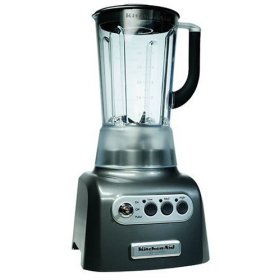
The Core Mechanics: Motor, Coupling, Jar, Blades
At the heart is an electric motor. Most home units use a universal motor that delivers high RPM and strong torque in a compact size. The motor connects to a drive coupling that links to the blade assembly at the bottom of the jar.
The jar matters more than it seems. Its shape guides flow into a vortex. Square or multi-faceted jars create more turbulence and help prevent stalling. The lid seals pressure and keeps splashes in.
Blades are usually stainless steel and set at different angles. Some point up to pull ingredients down. Others point out to slice and fold. The gasket and bearing keep liquids out of the motor base and reduce friction.
What happens when you press start:
- The motor spins the coupling and blade hub.
- Blades push liquid outward, creating low pressure at the center.
- A vortex forms, pulling chunks down to the blades for repeated cutting.
Source: kitchen-electronics.weebly.com
The Physics In Your Kitchen: Shear, Vortex, Cavitation, Turbulence
Blenders work because of fluid dynamics. The spinning blades add energy to the liquid. This creates shear, which tears apart fibers and cells. It is like rubbing two cards together fast and hard.
The vortex is the highway for ingredients. It feeds the blades and helps avoid air pockets. Turbulence adds random motion that boosts collisions and speeds up breakdown.
Cavitation happens when tiny vapor bubbles form and collapse. This can help disrupt food structure, but too much can cause noise and micro-pitting on blades. In thicker mixes, you get less cavitation and more mechanical chopping.
Source: www.wayfair.com
Blade Designs And What They Do
Different blade shapes serve different jobs. You will see two to six blades, sometimes more. But design beats count.
Common blade styles:
- Winged blades slice and pull. Good for smoothies and soups.
- Serrated edges grab tough skins and seeds.
- Upward and downward angles improve vertical flow.
- Blunt tips crush ice by cracking, not stabbing.
From testing, a four-blade set with mixed angles handles most tasks. Tall multi-blade stacks can help thick blends, but only if the jar shape supports flow.
Source: www.vitamix.com
Speed Settings, Pulse, And Controls
Speed controls change both RPM and torque. Low speed is great for chopping and thick dips. High speed is best for smooth purees and nut milks.
Pulse is your best friend. It prevents over-blending and keeps food from packing under the blades. Use pulse at first to break large pieces. Then switch to steady speed.
Modern models add programs. They ramp speed and pause to refresh the vortex. This is useful, but you can mimic it by pulsing and scraping.

Source: www.industrykitchens.com.au
Power, Torque, And Performance Myths
More watts do not always mean better blends. Wattage is input power. What you feel in the jar is output power and torque at the blade.
Performance depends on:
- Motor efficiency and cooling
- Gear ratio and coupling strength
- Jar geometry and blade design
- Software control that prevents stalls
In my tests, a well-designed 900-watt blender can beat a poorly designed 1400-watt one for smoothies. Look for smooth flow, fast vortex formation, and low stalling instead of raw wattage.
Materials, Seals, And Safety Systems
Jars come in glass, Tritan, or stainless steel. Glass resists scratches and odors but is heavier. Tritan is light and tough for daily use. Steel is durable and quiets noise a bit, but you can’t see inside.
Key seals and parts:
- Gasket ring keeps leaks away from the bearing.
- Bearing supports the blade shaft under load.
- Overheat sensor cuts power if the motor gets too hot.
- Interlock switch stops the motor if the jar is not seated.
If you smell a hot, sharp odor, stop and rest the motor. That usually means the thermal protection is close to tripping.
Real-World Use: Tips, Mistakes, And Fixes From Experience
Layer smart. Liquids first, then soft items, then hard or frozen. This helps the blades catch and reduces air pockets. Add powders last to prevent caking under the blades.
Common mistakes and fixes:
- Blender stalls: Add a little more liquid. Pulse to reset the vortex.
- Chunky smoothie: Run longer at medium-high, not max. Give the vortex time to work.
- Leaks under the jar: Check the gasket orientation and tightness.
Small pro tip: For nut butters, start with pulse and scrape. Then run medium-high with short rests to avoid overheating.
Maintenance And Longevity: Keep It Running Like New
Clean right after use with warm water and a drop of dish soap. Blend for 20 seconds, then rinse. Do not soak the motor base. Wipe it with a damp cloth.
Every month, check the gasket and the bottom cap for wear. If the blade pack can wiggle, the bearing may be failing. Replace before it leaks. A fresh gasket can save a motor.
Keep vents open. Dust and flour can block cooling. Store with the lid off to avoid odors.
Buying Guide: Picking The Right Blender For Your Needs
Match the blender to your main jobs. Do you make green smoothies, hot soups, nut butters, or crushed ice drinks? Each task has needs.
What to look for:
- Jar shape that forms a strong vortex
- Solid coupling and metal drive parts
- Clear speed control with pulse
- Warranty and parts availability
- Noise level you can live with
If you blend daily and love thick mixes, invest in a high-performance unit. If you make light smoothies, a mid-range model is enough.
Energy Use And Noise: What To Expect
A typical home blender draws 300 to 1500 watts when running. But you only run it for seconds to a few minutes. Actual energy use per smoothie is small.
Noise comes from the motor, blade-tip speed, and the jar acting like a speaker. To reduce noise:
- Place the base on a silicone mat
- Blend at the lowest speed that gives a steady vortex
- Use a damp towel around the jar, keeping vents clear
Some brands offer noise hoods. They help, but airflow and cleaning become more important.
Frequently Asked Questions of how do blenders work
Q. Do more blades make a blender better?
Not always. Flow and blade angle matter more. A good four-blade design with a smart jar often beats tall stacks.
Q. Why does my blender need liquid to work well?
Liquid reduces friction and helps form the vortex. It feeds ingredients to the blades and prevents stalling.
Q. Can blenders heat soup?
High-speed models can warm soup by friction over several minutes. For boiling-hot soup, cook on the stove, then blend.
Q. What is the best order to load ingredients?
Liquids first, then soft items, then hard or frozen, and powders last. This supports steady flow and even blending.
Q. How long should I blend a smoothie?
Usually 30 to 60 seconds at medium-high. Stop early and check. Over-blending can warm the drink and add foam.
Q. Is glass or plastic better for jars?
Glass resists scratches and stays clear. Tritan plastic is lighter and more durable. Pick based on your handling and space.
Q. Why does my blender smell like it’s burning?
It may be overheating from thick loads or blocked vents. Stop, let it cool, add liquid, and blend in shorter bursts.
Wrap-Up And Next Steps
Blenders work by turning motor power into fast-moving blades and a steady vortex that breaks food into tiny pieces. Jar shape, blade design, and speed control all shape the result. With smart loading, pulse control, and quick cleaning, you can get silky smoothies, creamy soups, and crunchy salsas with less effort.
Try one tip today: start with liquids first and pulse to build the vortex before going full speed. Want more guides, recipes, and test results? Subscribe, leave a comment with your blender questions, or share a trick that works for you.