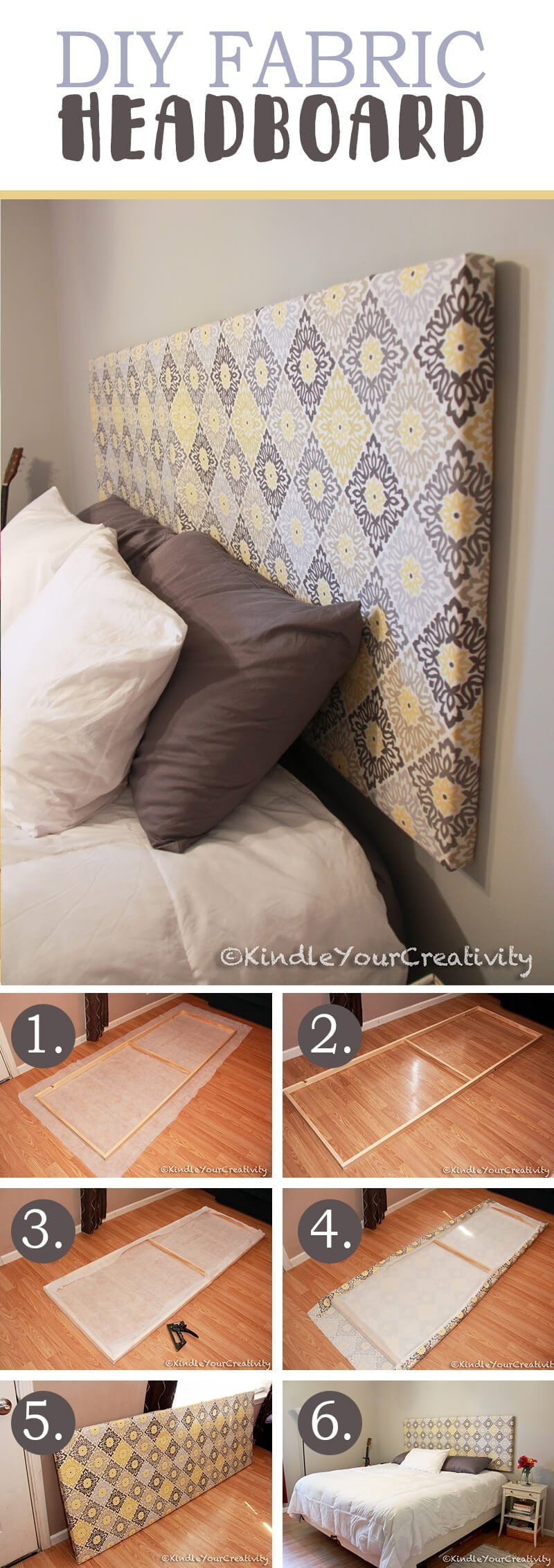
To cover a bed headboard, measure its shape, choose suitable fabric, add padding if needed, and secure the material around the back with staples, upholstery tacks, or a fitted slipcover.
A bed headboard can change the look of a bedroom without replacing the bed. In American homes, upholstered headboards are common in master bedrooms, guest rooms, and smaller apartments. However, fabric can fade, wood can look dated, and old padding can become worn. A new cover offers a practical way to refresh the furniture while keeping the existing frame.
The best method depends on the headboard’s material and shape. A flat wooden headboard is usually easy to wrap with fabric and a staple gun. A metal headboard may need a removable fabric cover or a decorative panel. A curved or padded headboard takes more careful measuring and fabric placement. Before starting, check how the headboard attaches to the bed and whether it can be safely removed.
Start by identifying the type of headboard you have. Its shape and construction determine how you should attach the new cover. A simple rectangular board is easier to wrap than a deeply curved or button-tufted design.
You can use permanent upholstery, a removable slipcover, or a decorative fabric panel. Each method has a different balance of cost, effort, appearance, and cleaning needs. Choose the one that fits your furniture and how often you want to change its look.
Source: storage.googleapis.com
Permanent fabric upholstery
This method uses fabric, and sometimes foam and batting, secured to the back of a wooden headboard with upholstery staples. It creates a smooth, fitted finish and works well for a long-term makeover.
Removable slipcover
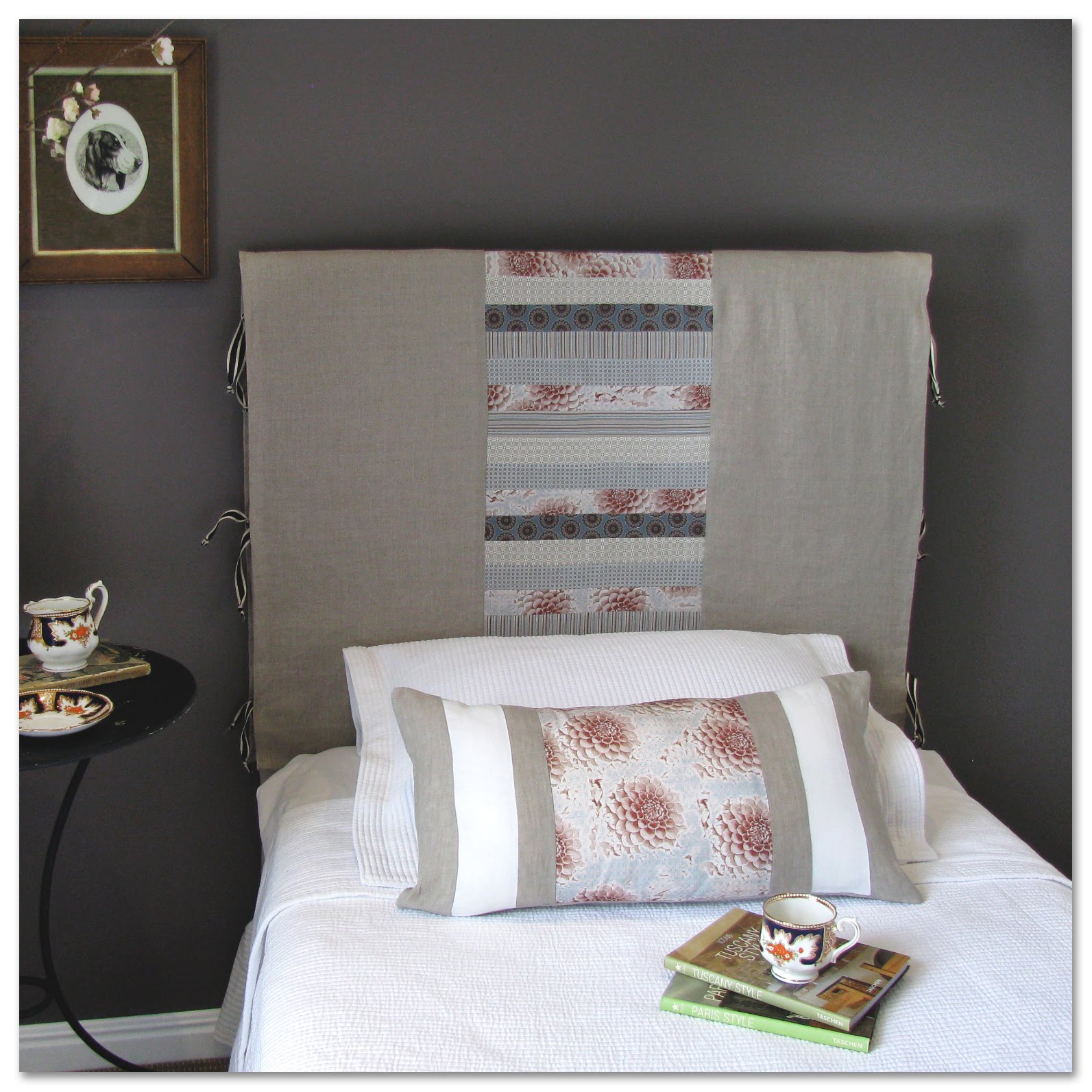
A slipcover fits over the headboard like a large fabric sleeve. It is useful when you want to wash the cover, change colors, or avoid making permanent changes to the original furniture.
Decorative fabric panel
A separate panel can cover the visible front of a headboard. It may be attached with suitable fabric fasteners, ties, or a mounting system, provided the design does not damage the frame.
Padded upholstery
Foam and batting can be added before the fabric is attached. This approach is useful when the old headboard feels hard or its existing padding has become flat.
Which covering method works for each headboard?
A flat wood or plywood headboard is usually the easiest option for permanent upholstery. A metal frame is often better suited to a removable cover because staples cannot be driven into metal in the same way. For an already upholstered headboard, inspect the existing fabric and padding before deciding whether to cover it or remove the old material.
If the headboard has deep curves, carved details, or tufting, a simple flat fabric panel may not fit well. A fitted slipcover or more detailed upholstery work may give a cleaner result.
Wooden headboard
Use a staple-on fabric cover if the back has enough space for secure fastening.
Metal headboard
Consider a removable cover that fits around the frame without blocking its joints.
Existing upholstered headboard
Check for loose fabric, stains, damaged foam, and old staples before adding another layer.
Curved headboard
Choose flexible fabric and allow extra material for curves and folds.
Gather the Materials and Tools Before Starting
Having the right supplies nearby makes the project easier and helps prevent mistakes. You do not need a professional upholstery workshop for a basic wooden headboard. Most simple projects can be completed with household measuring tools and a few upholstery supplies.
Buy fabric only after measuring the headboard. If you plan to add foam or batting, include those layers in your material estimate. Keep a little extra fabric for wrapping the edges, making folds, and correcting small measuring errors.
Source: www.pinterest.com
Upholstery fabric
Choose a durable fabric that suits the room and can handle regular contact with pillows and bedding. Cotton blends, linen blends, and upholstery-grade polyester are possible options. Check the care label before buying.
Measuring tape
Use it to measure the headboard’s width, height, thickness, curves, and available fastening area.
Upholstery foam
Use foam when the headboard needs additional cushioning. Choose a thickness that does not make the finished headboard too bulky for its mounting arrangement.
Batting
Polyester batting can soften the edges and help create a smoother transition between the foam and fabric.
Staple gun and staples
Use an upholstery staple gun that suits the headboard material and the thickness of its frame. Check that the staples do not pass through the front.
Other useful tools
Keep fabric scissors, a pencil, a ruler, a screwdriver, and a clean work surface nearby. Work gloves and eye protection are useful when removing old staples or cutting materials.
How to select suitable fabric
Fabric choice affects both appearance and upkeep. A tightly woven upholstery fabric is generally more suitable than a very thin decorative cloth because it is less likely to shift or tear under regular use. If the bed receives strong sunlight, check whether the fabric has suitable colorfastness for that setting.
Think about the room before choosing a pattern. Large prints may need extra fabric to match the design across the headboard. Plain fabric is often easier for beginners because small alignment differences are less noticeable.
For a soft bedroom look
Consider a textured woven fabric, a linen blend, or a soft upholstery material.
For frequent cleaning
Look for a fabric with clear care instructions and a surface that can be maintained without harsh treatment.
For a small room
A light, simple fabric can help the headboard blend with the bedding and walls.
For a bold design
Use a large pattern or a strong color as an accent, but check pattern direction before cutting.
Measure the Headboard and Calculate Fabric Needs
Accurate measurements are the foundation of a neat headboard cover. Measure the full visible width and height, then check how thick the board is. You also need enough fabric to wrap around the sides and reach the back for fastening.
Do not measure only the front surface. A piece of fabric cut to the exact front dimensions will not cover the edges or provide enough material for staples. Measure twice and mark the fabric before making the first cut.
Source: storage.googleapis.com
Measure the width
Measure from the far left edge to the far right edge, including any outward curves.
Measure the height
Measure from the bottom edge to the highest point of the headboard.
Measure the thickness
Check the depth of the board so you can allow enough material to wrap around both sides.
Allow fastening material
Add extra fabric around the perimeter so it can reach the back and be secured without pulling too tightly.
A simple fabric measurement example
Suppose a rectangular headboard measures 60 inches wide, 30 inches high, and 2 inches thick. If you allow 4 inches of extra fabric on each side for wrapping and fastening, the approximate fabric dimensions would be 68 inches wide by 38 inches high.
This is a planning example, not a universal cutting formula. A thick foam layer, deep frame, curved edge, or large pattern repeat may require more material. For a slipcover, also allow room for seams and the way the cover will fit around the headboard.
Front width
60 inches.
Front height
30 inches.
Extra allowance
4 inches on each edge in this example.
Approximate cutting size
68 inches by 38 inches before any additional allowance for unusual shapes or pattern matching.
Account for fabric patterns and direction
Some fabrics have a clear top and bottom, while others have repeating flowers, stripes, or geometric designs. Check the pattern direction before cutting. If you want the design centered, mark the center of both the headboard and the fabric.
For striped fabric, keep the lines level across the front. For a large printed pattern, buy enough material to position the main design where it will be most visible.
Stripes
Align the stripes with the headboard’s horizontal and vertical edges.
Large prints
Allow extra fabric to center the main motif.
Stretch fabrics
Check how much the fabric stretches and avoid relying on stretch alone to create a fitted cover.
How to Cover a Wooden Headboard With Fabric
A staple-on fabric cover is a practical method for a wooden headboard with a solid, accessible back. It gives the front a fitted appearance and can hide scratches, outdated colors, or worn upholstery. Work on a clean, flat surface so the fabric stays smooth while you attach it.
If the headboard is attached to the bed, follow the furniture instructions before removing it. Ask another person to help lift a large or heavy panel. Keep screws and brackets in a labeled container so you can reinstall the headboard correctly.
Source: spark.havennationalharbor.com
Prepare the work area
Place the headboard face down on a clean, protected surface. Make sure it is stable and will not slide while you work.
Inspect the frame
Check for loose joints, splinters, broken edges, or damaged mounting points. Repair suitable minor issues before covering the board.
Cut the fabric
Use your measurements to cut a piece large enough to cover the front and wrap around the edges.
Position the material
Place the fabric face down and center the headboard over it. Check the pattern and make sure the material extends beyond every edge.
Attach the first edge
Pull the fabric gently over one edge and place a staple near the center of the back. Do not pull so hard that the fabric distorts.
Secure the opposite edge
Move to the opposite side, smooth the front, and attach the fabric near the center. Repeat on the remaining sides.
Finish the corners
Fold the excess fabric neatly, similar to wrapping a gift. Keep folds away from the visible front and secure them on the back.
Inspect the finish
Check for wrinkles, uneven tension, exposed staples, and loose fabric. Add fasteners where needed without overcrowding the frame.
How to add foam and batting
If you want a padded headboard, add foam before attaching the final fabric. Cut the foam to fit the front surface and use an adhesive specifically suitable for upholstery foam and the headboard material. Follow the adhesive label and allow the stated curing time.
Place batting over the foam and wrap it around the edges. Secure it on the back, then add the decorative fabric. Batting helps soften the transition at the edges and can reduce the appearance of small surface irregularities.
Avoid adding thick padding without checking the mounting hardware. Extra depth and weight can affect how the headboard sits against the bed or wall.
Keep the foam even
Cut clean edges and avoid gaps that could create visible dips.
Do not overstuff the corners
Too much foam can make the edges bulky and difficult to wrap.
Use compatible adhesive
Check that the adhesive is intended for the materials involved and follow its safety instructions.
How to make the corners look neat
Corners often determine whether a headboard looks professionally finished. Pull the material evenly, make small folds, and keep the fabric flat on the visible face. On a rounded headboard, use several small folds instead of forcing one large crease.
If a corner becomes bulky, release the nearby staples and reposition the material. It is easier to correct a fold before all the edges are fully secured.
Square corners
Fold the fabric diagonally or in a neat layered fold on the back.
Rounded corners
Use several small, evenly spaced folds to follow the curve.
Visible front
Keep the fabric smooth and avoid placing thick folds where they can be seen.
How to Cover a Headboard Without a Staple Gun
You can cover a headboard without a staple gun by using a removable slipcover, a fitted fabric sleeve, or a suitable decorative panel. These options are especially helpful for metal frames, rental homes, and furniture that you do not want to alter permanently.
The key is to choose a fastening method that can hold the fabric in place without damaging the frame. Avoid relying on ordinary tape or weak adhesive as the main support for a heavy fabric cover.
Source: makedoanddiy.com
Use a sewn slipcover
Measure the front, back, sides, and top. Sew a cover with enough room to slide over the headboard, then add a closure or fitted opening where needed.
Use fabric ties
For a suitable open-frame design, fabric ties can secure a cover around the frame. Make sure the ties are firm and do not interfere with bed movement.
Use suitable hook-and-loop fasteners
Some fabric panels can be attached with hook-and-loop strips designed for the materials involved. Test the adhesive on a hidden area first and check the manufacturer’s instructions.
Use a decorative panel
A separate fabric-covered board can be mounted with appropriate hardware. Confirm that the wall or furniture can support its weight and that the panel cannot fall.
Making a basic removable headboard slipcover
A slipcover is a useful choice when you want to change the bedroom’s look without permanently covering the original headboard. Measure the headboard as if you were making a fitted fabric bag. Include the front, back, top, and side depth, then allow extra fabric for seams and ease.
Cut the fabric into panels and sew them together with the finished sides facing inward. Leave an opening at the bottom or another discreet location so the cover can slide over the headboard. Turn the cover right side out and test the fit before making final adjustments.
If the headboard is very wide or heavy, ask someone to help fit the cover. Avoid making the cover so tight that it strains the seams or pulls against mounting hardware.
Choose washable fabric
Check the care label and confirm that the fabric can be washed without excessive shrinking.
Add a discreet closure
A suitable zipper, buttons, or fabric ties can help keep the cover in place.
Check the fit
The cover should sit smoothly without hiding mounting brackets or pulling against the frame.
How to Cover an Already Upholstered Headboard
An upholstered headboard can often be refreshed without removing every layer of the original material. However, covering it directly is suitable only when the existing fabric is clean, dry, firmly attached, and free from serious damage. Loose fabric, dampness, mold, or damaged padding should be addressed first.
Adding a new layer over an old one can make the headboard thicker. Check the mounting brackets and the distance between the headboard and the wall before beginning. If the old fabric is badly torn or the padding has deteriorated, removing the damaged covering may produce a better result.
Source: storage.googleapis.com
Clean the surface
Remove dust and loose debris using a cleaning method suitable for the existing fabric. Let the headboard dry fully.
Check the padding
Press the surface gently to identify flat areas, lumps, or damaged foam.
Remove loose material
Take out loose staples and trim damaged fabric only when doing so will not harm the frame or padding.
Add a new cover
Use a compatible fabric and attach it with an appropriate method for the frame. Keep the new layer smooth and evenly tensioned.
Should you remove the old fabric first?
You do not always need to remove the old fabric. If it is firmly attached and the surface is in good condition, a new layer may be fitted over it. This saves work, but it can also create a thicker edge and make existing bumps more visible.
Remove the old covering when it is torn, stained beyond cleaning, loose, damp, or hiding damaged padding. If you find mold, investigate the moisture source rather than simply covering the affected area. A new layer will not solve the underlying problem.
Cover over the old layer
Use this approach when the original fabric is clean, secure, dry, and smooth.
Remove the old layer
Choose removal when the fabric or padding is damaged, dirty, loose, or unsuitable for reuse.
Get professional help
Consider an upholsterer when the headboard has complex tufting, valuable materials, or a damaged internal frame.
Common Mistakes to Avoid When Covering a Headboard
Most poor results come from rushed measuring, uneven fabric tension, or unsuitable fastening. Taking time to prepare the frame and test the fabric position can prevent much of this trouble. Do not assume that pulling the material tighter will always make the finish better.
A headboard should remain stable after the makeover. The new cover must not block mounting hardware, conceal serious structural damage, or introduce sharp fasteners where someone could touch them.
Source: www.pinterest.com
Cutting fabric too small
Fabric needs extra material to wrap around the edges and reach the back. Measure the full job before cutting.
Pulling fabric unevenly
Uneven tension can create wrinkles or make patterns look crooked. Secure opposite sides gradually.
Using weak fasteners
Ordinary tape or unsuitable glue may loosen over time. Select fasteners designed for the materials and the intended use.
Ignoring the frame
A fabric cover cannot repair broken joints or weak mounting points. Address structural problems first.
Adding too much padding
Excessive foam can create bulky corners and change how the headboard fits against the bed or wall.
Skipping the final inspection
Look for exposed staples, loose folds, sharp edges, and fabric that could snag bedding or clothing.
What to do if the fabric wrinkles
If wrinkles appear before the fabric is fully attached, remove the nearest staples and smooth the material again. Work from the center toward the edges and keep the tension even. Do not stretch a woven fabric so much that its pattern becomes distorted.
For a sewn slipcover, check whether the measurements allow enough room. A cover that is too tight may pull at the seams, while one that is too loose may bunch around the sides.
Wrinkles in the center
Reposition the fabric and smooth it outward before securing the edges.
Wrinkles near corners
Release nearby fasteners and make smaller folds.
Loose slipcover
Adjust the fit or add a suitable closure rather than relying on repeated pulling.
Safety checks before using the bed
Remove loose staples and other sharp pieces from the work area. Confirm that all fasteners are secure and that no sharp ends are exposed. If you used adhesive, follow its label instructions and allow adequate ventilation and curing time before putting the headboard back into use.
Reinstall the headboard using its intended hardware. Do not rely on the fabric, decorative ties, or an improvised adhesive attachment to support a heavy headboard. If a wall-mounted panel feels loose, stop using it until the mounting system has been checked.
Inspect fasteners
Make sure staples and tacks are fully seated and cannot catch skin or bedding.
Check mounting points
Keep brackets, bolts, and screw holes accessible and correctly secured.
Check for moisture
Never cover damp material or use a headboard with an unresolved mold problem.
How to Maintain a Fabric-Covered Headboard
Regular care helps a covered headboard stay fresh and keeps dirt from settling into the fabric. The right cleaning method depends on the fabric fiber, dye, backing, and manufacturer’s care instructions. Always test a cleaning product on a hidden area before treating the visible front.
Vacuuming with a suitable upholstery attachment can remove loose dust. For spills, blot gently with a clean cloth rather than rubbing the stain deeper into the fibers. Avoid soaking the headboard, especially when it contains wood, foam, or glued layers.
Source: storage.googleapis.com
Remove dust regularly
Use a clean upholstery attachment at a suitable setting and follow the fabric care instructions.
Treat spills promptly
Blot the affected area with a clean cloth and use only a cleaning method approved for the material.
Protect from direct sunlight
Where practical, limit prolonged direct sunlight to reduce the chance of fading.
Wash removable covers correctly
Follow the care label for water temperature, detergent, drying, and any shrinkage limits.
Check the fasteners
Inspect the back and mounting points occasionally for looseness or wear.
When should you replace the cover?
Replace the fabric when it becomes badly stained, torn, faded, or difficult to clean. A removable slipcover can be replaced without changing the original headboard. Permanent upholstery may need to be removed and renewed if the fabric or padding is no longer in good condition.
If the frame is damaged, repair or replace the structural part before adding another cover. A fresh fabric layer can improve appearance, but it cannot make an unstable headboard safe.
Minor wear
Clean the fabric or repair a small loose edge if the material remains sound.
Widespread fabric damage
Replace the cover or arrange professional reupholstery.
Frame damage
Repair the frame and mounting system before using the headboard again.
How Much Does It Cost to Cover a Headboard?
The cost depends on the headboard’s size, fabric choice, padding needs, and whether you do the work yourself. A simple cover made from fabric you already own may require little spending. A fully padded headboard with new upholstery fabric and professional labor will cost more.
Prices vary by retailer, location, material quality, and the amount of work required. Get current local quotes before setting a budget, especially if you have a large or unusually shaped headboard.
Source: storage.googleapis.com
Fabric
The amount and type of fabric are major cost factors. Pattern matching and extra width can increase the quantity needed.
Padding
Foam and batting add to the material cost, particularly when the headboard needs a thicker cushion.
Tools
A staple gun, scissors, and measuring tools may be a one-time purchase if you do not already own them.
Professional labor
An upholsterer may charge more for curved shapes, tufting, repairs, and removal of old materials.
DIY covering or professional upholstery?
A DIY project is often practical for a basic rectangular headboard with a sound wooden frame. It gives you control over fabric, color, and the amount of padding. However, it takes time and care to achieve an even finish.
Professional upholstery is worth considering for expensive furniture, complicated shapes, deep button tufting, or a damaged frame. Ask for a written estimate that separates fabric, padding, repair work, and labor so you can compare the actual scope.
Choose DIY
When the frame is sound, the shape is simple, and you have the tools and time to complete the work.
Choose professional help
When the headboard has complex details, valuable materials, significant damage, or difficult mounting hardware.
Frequently Asked Questions
Q
Can I cover a headboard without removing it from the bed?
Yes, if the headboard has enough accessible space and you can secure the material safely. A removable slipcover is usually easier to fit while the headboard remains attached. For permanent upholstery, removing the headboard often provides better access to the back and makes it easier to keep the fabric smooth.
Q
What is the best fabric for covering a bed headboard?
Durable upholstery fabric is a practical choice because it is made for regular furniture use. Cotton blends, linen blends, and upholstery-grade polyester are common options. Consider texture, cleaning instructions, colorfastness, and how the fabric will handle contact with pillows and bedding.
Q
Can I put new fabric over an old upholstered headboard?
Yes, provided the old fabric is dry, clean, firmly attached, and reasonably smooth. Check the padding and frame first. If the old material has mold, serious stains, loose sections, or damaged foam, remove and address the affected layers rather than hiding the problem.
Q
How much extra fabric should I leave around a headboard?
The required allowance depends on the board’s thickness, padding, shape, and fastening method. For a basic staple-on cover, allow enough fabric to wrap around the edges and reach the back securely. Measure the full headboard and use a test layout before cutting the final piece.
Q
Can I cover a metal headboard with fabric?
Yes. A sewn slipcover or removable fabric panel can work well for many metal headboards. Measure around the frame and keep joints, brackets, and moving parts accessible. Do not use a staple gun on metal or rely on weak adhesive to hold a heavy covering.
Q
How can I cover a headboard cheaply?
A simple fabric slipcover is often a low-cost option because it may not require foam or permanent fasteners. You can also reuse suitable fabric you already own, provided it is clean and large enough. Check the material’s durability and care needs before using it.
Q
Can I use a bedsheet to cover a headboard?
Yes, a bedsheet can work as a temporary decorative cover or as material for a simple sewn slipcover. However, thin sheets may wrinkle, shift, or wear faster than upholstery fabric. Secure the material appropriately and keep loose fabric away from areas where it could snag.
✦ Wrapping Up
Conclusion
Covering a bed headboard is a useful way to refresh a bedroom without replacing the entire bed. The right approach depends on the frame, shape, current condition, and the finish you want. A staple-on fabric cover suits many solid wooden headboards, while a removable slipcover offers more flexibility for metal frames and temporary changes.
Take accurate measurements, select durable fabric, and prepare the headboard before starting. If you add foam and batting, check that the extra thickness will not affect the mounting system. Finish by inspecting every edge, fastener, and bracket before putting the bed back into use.
A neat cover should look smooth, fit securely, and remain easy to care for. If the headboard has structural damage, complex tufting, or valuable upholstery, professional help may save time and prevent costly mistakes.
💡 Key Takeaway
Measure your headboard first, choose between permanent upholstery and a removable slipcover, and gather all materials before cutting the fabric. Test the fit and finish before securing the final edges.