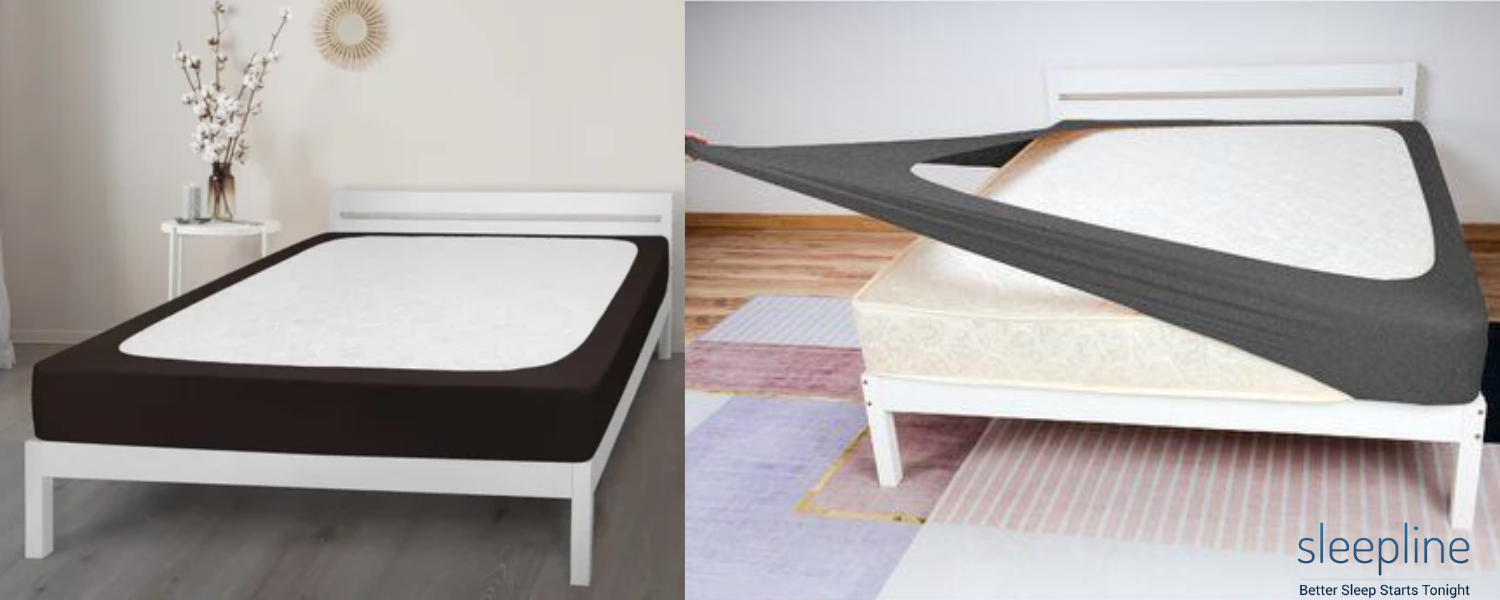
You can cover a box spring without a bed skirt by using a fitted sheet, a custom fabric wrap, an upholstery cover, or decorative panels. Choose a method that fits your bed, stays in place, and matches your bedroom decor.
In American homes, box springs are common under many traditional mattresses and bed frames. They provide support for compatible mattresses, but their exposed sides can make a neatly made bed look unfinished. This is easy to fix, even if you do not like the loose look of a traditional bed skirt.
A fitted sheet is one of the easiest ways to hide a box spring. You can also use upholstery fabric, a stretch cover, or a simple DIY wrap. Each option gives a different look, so your choice depends on your budget, sewing skills, bed frame, and cleaning needs.
Before choosing a cover, measure the length, width, and height of your box spring. Also check how much space sits between the box spring and the floor. These details help you choose a cover that fits well without dragging, slipping, or blocking access to the bed frame.
This guide explains seven practical ways to cover a box spring without a bed skirt. You will learn how to prepare the bed, fit each cover, avoid common problems, and choose a finish that works with your room.
A box spring can be useful, but its exposed fabric, seams, and wooden frame may not match the rest of your bedroom. Covering it creates a cleaner look and helps the bed feel like one complete piece of furniture. You do not need a traditional bed skirt to get this result.
A bed skirt usually hangs from the mattress area and falls toward the floor. Some people like this style, while others find it too loose, old-fashioned, or hard to keep straight. A fitted cover gives the box spring a more tailored appearance.
Another benefit is easier room styling. You can match the cover to your sheets, comforter, headboard, or bedroom rug. A neutral fabric can blend into the room, while a darker color can make the bed look more defined.
The right cover can also hide minor visual wear on the outside of a box spring. However, a cover is not a repair. If the frame is cracked, sagging, damp, or damaged, inspect and address the problem before hiding it.
Source: furnifixes.com
A cleaner appearance
A fitted cover hides exposed box spring fabric, seams, and uneven colors.
More design choices
You can choose colors and textures that work with modern, farmhouse, classic, or minimalist bedrooms.
Less loose fabric
A fitted cover can stay close to the frame instead of hanging loosely around the bed.
Simple upkeep
Many fabric covers can be removed and washed when the care instructions allow it.
Is a Box Spring Cover the Same as a Bed Skirt?
No. A box spring cover wraps around the sides of the box spring and usually has a close, fitted shape. A bed skirt hangs down from the mattress or foundation area and may extend close to the floor.
A fitted cover gives the bed a simple, neat outline. A bed skirt creates a softer, more decorative look. Both can hide the box spring, but they serve different style preferences.
Box spring cover
Fits around the foundation and creates a smooth or tailored appearance.
Bed skirt
Hangs around the bed and can hide the space beneath it.
Can You Leave a Box Spring Uncovered?
Yes. A box spring does not always need a decorative cover. If your bed frame hides its sides, or you prefer a simple bedroom style, leaving it exposed may be fine.
However, check the manufacturer’s care instructions and keep the foundation clean. If you notice dust, stains, moisture, or fabric damage, clean or repair it as appropriate rather than simply covering the problem.
How to Prepare Your Box Spring for a Cover
Prepare the box spring before putting on a new cover. A little preparation helps the material fit better and reduces the chance of trapped dirt or loose fabric. You should also check that the cover will not interfere with the bed frame.
Start by removing the mattress if you can do so safely. Ask someone to help if it is too heavy or difficult to lift. Place it on a clean, dry surface while you work.
Next, inspect the box spring. Look for loose fabric, damaged corners, protruding staples, moisture, and signs of pests. Do not cover wet material or hide structural damage. Address these issues first.
Measure the box spring with a flexible tape measure. Record the length, width, and height. Measure around the widest parts, including any fabric edges or corner details that may affect the fit.
Source: sincerelysarad.com
Measuring tape
Use it to measure all sides and the height of the box spring.
Clean cloth
Wipe away loose dust and surface dirt before adding the cover.
Cover material
Choose a fitted sheet, stretch fabric, upholstery fabric, or another suitable material.
Fabric fasteners
Keep elastic, fabric clips, or hook-and-loop fasteners ready if your chosen method requires them.
Scissors and sewing supplies
Use these only when making a custom cover that needs cutting or stitching.
How to Measure a Box Spring
Measure from one outside edge to the opposite outside edge for the length and width. Then measure from the bottom edge to the top edge to find the height. Write down each measurement so you can compare it with the dimensions of a sheet or cover.
Do not assume that a queen or king label tells you the full size of your foundation. Actual dimensions and thickness can vary by product. The manufacturer’s measurements are useful, but measuring your own box spring gives you a better fit.
Length
Measure the longest side of the box spring.
Width
Measure from one short side to the other.
Height
Measure from the bottom edge to the top surface.
Corner shape
Check whether the corners are square, rounded, or bulky.
Clean and Inspect the Foundation
Use a vacuum upholstery attachment to remove loose dust if the manufacturer’s care instructions permit it. For small marks, follow the cleaning guidance for the box spring material. Avoid soaking the fabric because moisture can remain inside the foundation.
Let the surface dry fully before covering it. A tight cover can trap moisture against the original fabric, so a dry foundation is an important starting point.
Seven Easy Ways to Cover a Box Spring Without a Bed Skirt
There are several ways to hide a box spring without adding a traditional bed skirt. Some methods take only a few minutes, while others need basic sewing or DIY work. The best choice depends on the finish you want and how much time you can spend.
For a fast update, try a fitted sheet or a ready-made stretch cover. If you want a more decorative result, use upholstery fabric or a custom wrap. The following methods offer different levels of effort, cost, and fit.
Source: diyself.blog
Best quick option
A fitted sheet is easy to install and does not require sewing.
Best tailored look
A stretch box spring cover creates a close fit around the foundation.
Best DIY option
A fabric wrap lets you choose the exact material and appearance.
1. Use a Fitted Sheet
A fitted sheet is one of the simplest ways to cover a box spring. It already has elastic around its edges, which helps it grip the foundation. You can often use a spare sheet from your existing bedding set.
Choose a sheet that matches the size and depth of your box spring. A sheet made for a thick mattress may fit differently from one designed for a thinner foundation, so compare the pocket depth with your measurements.
To install it, lift the mattress and place the fitted sheet over the box spring. Pull each corner into position, then stretch the elastic around the lower edges. Smooth the sides with your hands and check that the fabric sits evenly.
Put the mattress back in place once the sheet is secure. Check all four sides to make sure no corners have slipped. If the sheet is too loose, use a better-fitting size rather than relying on excessive clips or tension.
Advantages
This method is affordable, simple, and easy to remove for washing.
Limitations
Some fitted sheets have extra fabric or pockets that are too deep for a box spring.
Style tip
Choose a solid color that matches your bedding for a calm, coordinated look.
2. Buy a Stretch Box Spring Cover
A stretch box spring cover is made to fit around the foundation rather than hang from it. Many designs use elastic or stretchy fabric to create a close finish. This can be a good option if you want a fitted look without making your own cover.
Measure your box spring before shopping. Check the product’s listed length, width, height range, and compatible foundation type. Some covers fit only certain thicknesses, so do not rely on the bed size label alone.
To install the cover, follow its instructions. Most designs require you to stretch the fabric over the corners and pull it down around the sides. Work slowly and spread the material evenly to prevent wrinkles.
After installation, inspect the bottom edge. It should sit securely without pulling so tightly that seams become strained. If the cover is difficult to stretch over the foundation, check the size rather than forcing it.
Advantages
A purpose-made cover can give the box spring a smooth, finished appearance.
Limitations
The fit depends on the cover’s stated size range and the shape of your foundation.
Style tip
A neutral stretch cover works well with many bedding colors.
3. Make a DIY Fabric Wrap
A DIY fabric wrap gives you more control over the look of your box spring. You can use cotton, linen-look fabric, upholstery fabric, or another suitable material. This approach is useful when ready-made covers do not match your bedroom.
Measure the length and height of each side. Add enough material for hems and seams. If you want the fabric to cover the bottom edge, include extra material for that area as well.
Cut the fabric into panels or one long strip, depending on the shape of the box spring. Hem the exposed edges to prevent fraying. You can sew the panels together or use suitable fabric fasteners to join them.
Wrap the material around the sides and secure it with removable fabric fasteners or carefully placed stitching. Keep the top edge tucked beneath the mattress area, where it is less visible. Check that the bottom edge does not drag on the floor.
For a neat finish, keep the fabric smooth and place joins near the back or less visible sides. If the material is heavy, use a suitable fastening method that can support its weight without damaging the foundation.
Advantages
You can select the color, texture, pattern, and overall fit.
Limitations
This method takes more time and may require basic sewing skills.
Style tip
Textured neutral fabric can make a simple bed look more polished.
4. Use Upholstery Fabric
Upholstery fabric is another useful choice when you want a firm, tailored appearance. It is often available in a range of textures and colors, which makes it easier to coordinate with a headboard or other bedroom furniture.
Choose a fabric that is flexible enough to wrap around the corners. Very stiff material can be difficult to fold neatly, while very thin fabric may show the original surface beneath it.
Cut the fabric according to your measurements, allowing extra material for hems and folds. Wrap it around the sides, keeping the pattern straight if the fabric has stripes or repeated designs. Secure the edges with suitable fabric fasteners or sewn seams.
Avoid using exposed staples or sharp fasteners where they could catch bedding, scratch the floor, or create a hazard during bed movement. If the cover needs a more permanent attachment, use a method suited to the foundation material.
Advantages
Upholstery fabric offers many textures and can create a furniture-like finish.
Limitations
Some heavy fabrics are harder to fit and may be less convenient to wash.
Style tip
Choose a fabric color that complements your headboard rather than trying to match every bedding item.
5. Wrap the Box Spring With a Large Flat Sheet
A large flat sheet can work when you do not have a fitted sheet that fits your box spring. It is also useful as a temporary cover while you decide on a more permanent design.
Choose a sheet with enough fabric to cover the sides. Place it across the top of the foundation and fold the extra material down around the edges. Tuck the excess beneath the bottom where it can stay out of sight.
Smooth each side and fold the corners neatly, much like wrapping a gift. Use suitable fabric clips or fasteners if the sheet needs extra support. Keep all fasteners away from areas where they may scratch the floor or catch the bedding.
A flat sheet may need occasional adjustment because it does not have elastic around the edges. Check the folds whenever you change the bedding. If the material keeps slipping, switch to a fitted cover.
Advantages
It uses common bedding and does not require cutting or sewing.
Limitations
The folds may shift over time, especially when the bed moves.
Style tip
Use a plain sheet for a clean look or a subtle pattern for a decorative touch.
6. Install a Decorative Fabric Panel
Decorative fabric panels can hide the visible sides of a box spring without covering the entire foundation. This method is useful when the main problem is the exposed area between the mattress and the floor.
Measure the visible height and the length of each side. Cut fabric panels to those dimensions, leaving extra material for finished edges. You can use matching panels on all sides or create a different look at the foot of the bed.
Attach the panels with a suitable removable fastening system. The attachment should hold the material securely while allowing you to remove it for cleaning. Make sure the panels do not cover ventilation openings or interfere with the bed frame.
This approach works especially well when you want a simple, custom appearance. It can also be easier to maintain than a large fabric wrap because you may only need to remove one panel for cleaning.
Advantages
You can cover only the visible areas and use different fabrics on each side.
Limitations
Panels may shift if they are not attached evenly.
Style tip
Use panels that match the headboard or curtains for a coordinated room.
7. Use a Ready-Made Upholstered Foundation Cover
A ready-made upholstered foundation cover is another option for hiding an exposed box spring. It may be designed as a fitted fabric sleeve or as a more structured covering. The exact design varies by manufacturer.
Check the dimensions and installation instructions before buying one. Some products are designed for specific foundation depths or frame styles. A cover that fits one foundation may not fit another, even when both have the same mattress size.
Install the product according to its instructions. Make sure the seams sit in the correct positions and that the cover does not block any support components. If the product includes a bottom fastening system, secure it without overtightening.
This method is useful when you prefer a ready-made finish and do not want to sew fabric yourself. However, compare its care instructions with your cleaning needs before making a choice.
Advantages
A purpose-made cover can save time and reduce the need for DIY work.
Limitations
Available sizes, styles, and fabric choices may be limited.
Style tip
Select a cover with a simple finish if you want the foundation to blend into the bed.
How to Make a Simple DIY Box Spring Cover
A DIY box spring cover is a practical choice if you want a specific color or fabric. You do not need advanced sewing skills to make a basic wrap. A careful measurement and a secure fit matter more than a complex design.
For this project, use a flexible fabric that can fold around the corners. Cotton blends and suitable upholstery materials are common choices. Before cutting, check the fabric care instructions and make sure it is appropriate for use around your bed.
Source: creeklinehouse.com
Materials
Fabric, measuring tape, scissors, thread, and a suitable fastening method.
Optional supplies
A sewing machine, pins, fabric clips, or hook-and-loop fasteners.
Step 1: Measure the Box Spring
Measure all four sides of the foundation. Record the length, width, and height. Include extra material for hems, corner folds, and any overlap needed to secure the cover.
For a basic rectangular wrap, calculate the fabric length by adding the lengths of all four sides. Add extra allowance for joining the ends and finishing the edges. The required fabric width depends on the box spring height and how far you want the cover to extend.
Example
If a hypothetical box spring measures 60 inches long, 80 inches wide, and 9 inches high, the side perimeter is 280 inches. Add extra length for seams and overlap.
Step 2: Choose and Cut the Fabric
Lay the fabric on a clean, flat surface. Mark the measurements with tailor’s chalk or a washable fabric marker. Double-check each line before cutting because fabric cannot always be joined invisibly after a mistake.
If you are using separate panels, label each piece so you know which side it covers. This makes the installation easier and helps keep the pattern aligned.
Step 3: Finish the Fabric Edges
Fold the exposed edges inward and sew a simple hem. This helps reduce fraying and gives the cover a cleaner finish. If you do not have a sewing machine, suitable fabric hemming tape may work when used according to its instructions.
Test any adhesive product on a small fabric sample first. Some materials do not bond well with certain adhesives, and heat-activated products must be used with care.
Step 4: Wrap the Fabric Around the Foundation
Place the finished fabric against the sides of the box spring. Start at one corner and work around the foundation. Keep the upper edge straight and smooth out wrinkles as you move.
Join the ends near a less visible area. Fold the corners neatly rather than bunching the fabric into thick lumps. This helps the cover sit evenly beneath the mattress.
Step 5: Secure the Cover
Use sewn joins, suitable fabric fasteners, or another compatible attachment method to hold the cover in place. Make sure the material does not slide when you gently move the bed or change the bedding.
Do not attach sharp objects where they may contact the mattress, bedding, floor, or your hands. Avoid fastening anything to moving bed components or areas that need to remain accessible.
Step 6: Check the Final Fit
Look at the box spring from all sides. The cover should sit evenly, with no large folds, loose corners, or dragging edges. Check the bed frame and make sure the material does not interfere with support rails or other parts.
Replace the mattress carefully and inspect the finished bed again. If the cover shifts or bunches, adjust the fabric or change the fastening method before using the bed.
How to Choose the Best Material for a Box Spring Cover
The right fabric should fit well, look good, and be easy to maintain. A material that looks attractive in a store may not work well if it stretches too much, wrinkles easily, or is difficult to clean.
Think about how often you change your bedding and whether you have pets or children who may touch the sides of the bed. If the cover will need frequent cleaning, choose a fabric that can be removed and washed according to its care label.
Source: softbedroom.com
Cotton
A familiar fabric that is available in many colors and is often easy to wash, depending on its care label.
Polyester blends
Often used for stretch covers because some blends offer flexibility and a smooth finish.
Linen-look fabric
Offers a textured appearance that suits relaxed and natural bedroom styles.
Upholstery fabric
Can provide a structured appearance, although heavier materials may be harder to remove and clean.
Stretch knit
Can fit around corners and uneven shapes more easily than some stiff fabrics.
Which Fabric Is Best for a Smooth Finish?
A stretch fabric is often useful when you want a close fit with fewer wrinkles. It can follow the shape of the box spring and sit neatly around its corners.
A non-stretch fabric can also look smooth when it is measured and cut correctly. However, it may need more careful folding, stitching, or fastening to avoid loose sections.
Which Color Should You Choose?
Neutral shades such as white, cream, gray, and beige can blend with many bedroom styles. They are useful if you change your sheets or comforter often because they do not limit your color choices.
Dark shades such as navy, charcoal, or brown can create contrast and hide some visible surface marks. However, dust and lint may stand out on certain dark fabrics.
If your bedroom already has patterned bedding, a solid-color cover can help balance the room. If the rest of the room is plain, a subtle textured or patterned cover can add interest without making the bed look busy.
Comparison of Box Spring Cover Methods
The best method depends on the balance you want between cost, effort, appearance, and maintenance. A fitted sheet is a good starting point for most simple setups, while a custom wrap offers more control over the final look.
Use this table to compare the main choices before buying supplies or starting a DIY project. These are general practical differences, not measured performance ratings. The actual result depends on the fabric, dimensions, and installation.
Source: furnifixes.com
Quick Comparison Table
The options below show which method may suit different needs. A ready-made cover is convenient, while a homemade wrap is more flexible when your foundation has unusual dimensions.
Fitted sheet
Effort: Low. Sewing: Not required. Best for: A quick, affordable cover.
Stretch box spring cover
Effort: Low. Sewing: Not required. Best for: A close, fitted appearance.
DIY fabric wrap
Effort: Medium. Sewing: Optional, depending on the design. Best for: Custom colors and dimensions.
Upholstery fabric
Effort: Medium. Sewing: Helpful. Best for: A tailored and structured finish.
Flat sheet
Effort: Low. Sewing: Not required. Best for: A temporary solution.
Decorative panels
Effort: Medium. Sewing: Optional. Best for: Covering selected visible sides.
Upholstered foundation cover
Effort: Low to medium. Sewing: Not required. Best for: A ready-made decorative finish.
How Much Fabric Do You Need?
For a basic fabric wrap, add the lengths of all four sides to estimate the total strip length. Then add extra material for seams, corner folds, and overlap. The fabric width should cover the visible height, with additional material for the top and bottom edges if your design requires it.
For example, a hypothetical foundation measuring 60 inches by 80 inches has a perimeter of 280 inches. If you add 4 inches for joining and adjustment, the strip would need about 284 inches of length before any additional design allowances.
This is only a planning example. The final amount depends on the fabric width, the number of panels, the seam allowance, and whether you plan to cover the top or bottom edges.
How to Keep a Box Spring Cover in Place
A good cover should stay in place when you make the bed, sit on the mattress, or move around the room. If the material slips, the problem may be its size, fabric type, or fastening method.
Start by checking whether the cover fits the box spring. A cover that is too large may sag, while one that is too small may pull at the seams. Correct sizing is usually more effective than adding more fasteners.
Once the size is right, smooth the fabric around the corners. Secure loose areas with suitable elastic or fabric fasteners. Keep the attachment system simple so you can remove the cover for cleaning.
Source: furnifixes.com
Use the right size
Compare the cover’s dimensions with the actual box spring measurements.
Secure the corners
Make sure the corners sit evenly instead of folding or pulling to one side.
Check the lower edge
Keep the material from dragging across the floor or catching under the frame.
Inspect the fasteners
Replace loose or damaged fasteners before the cover shifts further.
Can You Use Elastic to Hold a Cover?
Yes. Elastic can help hold a lightweight fabric cover close to the foundation. It is useful for DIY designs where you want the lower edge to stay neat.
Choose elastic that provides enough hold without excessive tension. If it is too tight, it may pull the fabric out of shape or place stress on the seams. If it is too loose, it may not prevent slipping.
Sew the elastic into a fabric casing when possible, or use a suitable attachment system designed for the material. Do not stretch elastic around sharp edges or exposed hardware.
How to Stop a Fitted Sheet From Slipping
If a fitted sheet keeps coming off, check its pocket depth first. A sheet made for a much thicker mattress may not grip a thin box spring securely.
Try a better-fitting sheet before adding extra fasteners. If the dimensions are correct but the fabric still shifts, suitable sheet or fabric fasteners may help. Follow their instructions and keep them away from sharp frame parts.
Common Mistakes to Avoid When Covering a Box Spring
A box spring cover should improve the appearance of your bed without creating new problems. Most issues come from poor measurements, unsuitable fabric, or an attachment method that does not match the foundation.
Take a few minutes to inspect the finished cover before putting the mattress back. Small adjustments at this stage can prevent wrinkles, loose fabric, and unnecessary wear.
Source: wikihow.life
Choosing the wrong size
A cover that does not match the foundation may slip, stretch, or bunch around the corners.
Using fabric that is too heavy
Heavy material can be harder to secure and may pull on weak seams or fasteners.
Ignoring moisture
Covering a damp box spring can trap moisture and make cleaning problems worse.
Leaving loose material
Loose fabric can catch on the frame, drag on the floor, or become a tripping concern.
Blocking access to the frame
A cover should not hide parts that need regular inspection or adjustment.
Do Not Cover a Damaged Box Spring
A cover can hide marks, but it cannot repair a damaged foundation. If you find broken supports, sagging areas, exposed hardware, or a cracked frame, inspect the box spring before using it again.
Follow the manufacturer’s repair or replacement guidance. If the damage affects the bed’s support, replacing the foundation may be safer than hiding it beneath fabric.
Avoid Poor Ventilation and Trapped Moisture
Do not wrap the foundation in plastic or another non-breathable material as a routine decorative solution. Trapped moisture can create unpleasant odors and may contribute to mold growth when conditions allow.
Use a suitable fabric cover and follow the foundation manufacturer’s ventilation and care instructions. Remove the cover when needed so you can inspect and clean the surface.
Keep the Cover Away From Moving Parts
If you have an adjustable bed, check the manufacturer’s instructions before adding a cover. Loose fabric can interfere with moving sections, motors, or other mechanical parts.
Never attach fabric to a moving component unless the manufacturer specifically permits it. A decorative finish should never affect the normal operation of the bed.
How to Maintain and Clean Your Box Spring Cover
Regular care helps a box spring cover stay neat and last longer. Dust, lint, pet hair, and everyday contact can affect the appearance of the fabric over time.
The best cleaning method depends on the material. Always check the care label before washing, spot cleaning, or using a cleaning product. Some stretch covers are machine washable, while structured upholstery materials may need a different approach.
If the cover is removable, take it off at suitable intervals and clean it according to its instructions. Allow it to dry fully before putting it back on the foundation.
Source: storage.googleapis.com
Remove surface dust
Use a vacuum attachment or a soft brush when the fabric care instructions permit it.
Treat stains carefully
Test a suitable cleaner on a hidden area before treating a visible stain.
Check the corners
Look for loose stitching, stretched elastic, and shifting fabric.
Keep the foundation dry
Do not reinstall a damp cover or wrap a wet foundation.
How Often Should You Wash a Box Spring Cover?
There is no single washing schedule for every cover. How often you need to clean it depends on the fabric, bedroom conditions, pets, dust, and how much contact the cover receives.
Inspect it during normal bedding changes. If it looks dusty or has a stain, clean it according to the manufacturer’s instructions. A removable cover is easier to maintain because you can wash it without treating the entire foundation.
How to Protect the Cover From Wear
Avoid dragging the bed across rough floors because the bottom edge of the cover may tear or become dirty. When moving the bed, lift it safely with help rather than pulling on the fabric.
If you notice a loose seam, repair it before the opening grows. Replace stretched elastic or worn fasteners when they no longer hold the cover securely.
Choosing the Right Cover for Different Bed Styles
Your bed frame affects which box spring cover will work best. A traditional metal frame, a platform bed, and an upholstered bed may expose different parts of the foundation.
Look at the bed from the sides and foot before choosing a method. If the frame already hides most of the box spring, you may only need to cover a small visible area. If the entire foundation is exposed, a fitted cover or full fabric wrap may work better.
Source: craftsonfire.com
Traditional bed frame
A fitted sheet or stretch cover can hide exposed foundation sides.
Platform bed
Check the available space around the foundation and choose a cover that does not interfere with the platform.
Upholstered bed
Match the cover to the headboard or existing upholstery for a coordinated finish.
Metal bed frame
Use a close-fitting cover that will not catch on exposed frame edges or hardware.
Covering a Box Spring on a Platform Bed
A platform bed may already hide much of the foundation, depending on its design. Check the gap between the platform and the mattress to see which areas remain visible.
A fitted cover can work if there is enough clearance and it does not interfere with the support surface. Avoid adding thick fabric beneath the foundation if it changes how the bed sits on the platform.
Covering a Box Spring on a Metal Bed Frame
Metal frames can have exposed corners, rails, and support brackets. A cover should sit smoothly without catching on these parts.
A stretch cover or fitted sheet may be easier to use than a loose fabric wrap. Inspect the frame for sharp edges before installation and do not force material over hardware.
Covering an Upholstered Bed
An upholstered bed often looks best when the box spring cover blends with the existing fabric. You can choose a similar shade or use a neutral color that works with the headboard.
Check the upholstery care instructions before selecting a cleaning product. If the bed frame and cover use different materials, they may need different care methods.
Frequently Asked Questions
Q
What is the easiest way to cover a box spring without a bed skirt?
A fitted sheet is usually the easiest option. It has elastic corners that help it stay around the box spring, and you do not need sewing skills or special tools. Choose a sheet with a suitable pocket depth and compare its dimensions with your foundation before installation.
Q
Can I use a regular fitted sheet to cover a box spring?
Yes. A regular fitted sheet can cover a box spring if its dimensions and pocket depth are suitable. A sheet that is too large may slip or bunch, while one that is too small may not fit around the corners. Measure the foundation before choosing a sheet.
Q
Can I use a flat sheet instead of a bed skirt?
Yes. A flat sheet can be wrapped around the sides of a box spring and tucked beneath its lower edges. Fold the corners neatly and use suitable fabric fasteners if needed. This is a useful temporary solution, although it may require more adjustment than a fitted cover.
Q
How can I hide a box spring on a platform bed?
First, check how much of the box spring is visible. If only the sides show, a fitted sheet or stretch cover may be enough. Choose a cover that does not interfere with the platform, support surface, or any parts that need access.
Q
Can I cover a box spring with upholstery fabric?
Yes. Flexible upholstery fabric can create a tailored finish around a box spring. Measure the foundation, allow extra material for seams and folds, and secure the fabric with a suitable method. Avoid sharp exposed fasteners and choose a material that you can maintain properly.
Q
Should a box spring cover touch the floor?
Not necessarily. A fitted box spring cover usually ends near the bottom edge of the foundation. Keeping it slightly above the floor can reduce dust collection, friction, and the chance of the fabric catching beneath the bed.
Q
Can I use a blanket to cover a box spring?
You can use a lightweight blanket as a temporary cover if it can be secured safely. However, blankets may be too thick or loose to create a neat finish. A fitted sheet or purpose-made cover is generally easier to keep in place.
Q
How do I cover a box spring without sewing?
Use a fitted sheet, stretch box spring cover, or flat sheet with suitable fabric fasteners. You can also use removable hook-and-loop fasteners when they are compatible with the fabric and foundation. Follow the fastener instructions and avoid damaging the frame.
Q
Can a box spring cover be washed in a washing machine?
Some removable covers can be machine washed, but not all fabrics are suitable for machine cleaning. Check the care label first. Use the recommended water temperature and drying method, and allow the cover to dry fully before reinstalling it.
Q
How do I cover an old or stained box spring?
Inspect the foundation before covering it. If it is structurally sound and dry, clean the surface according to the manufacturer’s instructions and allow it to dry. A fitted cover or fabric wrap can hide minor cosmetic marks, but it should not be used to conceal moisture, mold, pests, or structural damage.
✦ Wrapping Up
Conclusion
You do not need a traditional bed skirt to give your bed a neat and finished appearance. A fitted sheet, stretch box spring cover, DIY fabric wrap, or upholstery cover can hide exposed sides and help your bedding look more coordinated.
The simplest option is usually a fitted sheet because it is easy to install and remove. If you want a more tailored result, choose a stretch cover or make a custom wrap with fabric that suits your bedroom. Take accurate measurements before starting so the material fits without slipping or bunching.
Remember to inspect the box spring before covering it. Keep the foundation dry, avoid sharp fasteners, and make sure the cover does not interfere with the bed frame. Regular cleaning and simple checks will help keep the finished look neat.
💡 Key Takeaway
Measure your box spring first, then choose a fitted sheet for the easiest solution or a custom fabric wrap for a more personalized finish. Secure the cover neatly, check all four sides, and keep the material clean and dry.