To cover a garden bed, first decide what you need to protect. Use organic mulch to cover bare soil, breathable row-cover fabric to protect plants from insects and light frost, shade cloth to reduce harsh summer sun, or a supported cover to protect crops from birds and animals. Secure the edges and leave enough room for plants to grow.
Garden beds across the United States face different challenges throughout the year. A vegetable bed in Florida may need shade from intense summer sun, while a raised bed in Minnesota may need a frost blanket during a cold spring night. Gardeners in Texas, California, and other dry regions may use mulch to slow water loss and keep the soil from drying too fast.
The best way to cover a garden bed depends on what is growing in it and why you want a cover. A layer of wood chips can protect the soil, but it will not stop insects from eating your vegetables. A fabric cover can block pests, but it may trap heat and interfere with pollination if you leave it in place too long.
Start by checking your plants, soil, weather, and the main problem you want to solve. Then choose a cover that allows the right amount of sunlight, air, and water to reach the bed. A simple setup can work well when it fits the needs of your garden.
This guide explains how to cover a garden bed with mulch, fabric, plastic, netting, and simple DIY frames. It also covers installation, seasonal changes, common mistakes, and ways to tell whether your cover is doing its job.
Covering a garden bed helps protect plants and soil from conditions that can slow growth or damage a harvest. The right cover acts like a shield, reducing exposure to a specific problem without blocking everything plants need.
Some covers sit directly on the soil, while others rest above the plants on a frame. The difference matters because a soil cover mainly affects moisture, weeds, and soil temperature. An overhead cover changes the growing conditions around the leaves, flowers, and fruit.
Before choosing a material, identify the main reason for covering the bed. This simple decision can prevent wasted work and help you avoid a cover that creates new problems.
Source: guterboden.de
Control weeds
Mulch blocks light from reaching many weed seeds near the soil surface. This reduces the number of weeds that can grow between vegetables, flowers, and shrubs.
Hold soil moisture
A suitable mulch layer slows water loss from the soil. This can help reduce how often you need to water during dry periods.
Protect against insects
Fine insect netting or row-cover fabric can create a physical barrier between plants and certain insect pests.
Reduce weather damage
Breathable covers can help protect young plants from cold air, wind, and heavy rain. Shade cloth can reduce exposure to strong sunlight.
Extend the growing season
Some floating row covers trap warmth around crops and provide limited frost protection during cool spring and fall weather.
Protect against animals
Secure netting, wire barriers, and supported covers can help keep birds, rabbits, and other garden visitors away from vulnerable plants.
Decide Whether You Need a Soil Cover or Plant Cover
A soil cover is placed around plants or across the open surface of a bed. Examples include straw, shredded leaves, compost, and wood chips. These materials help manage weeds and moisture while protecting exposed soil.
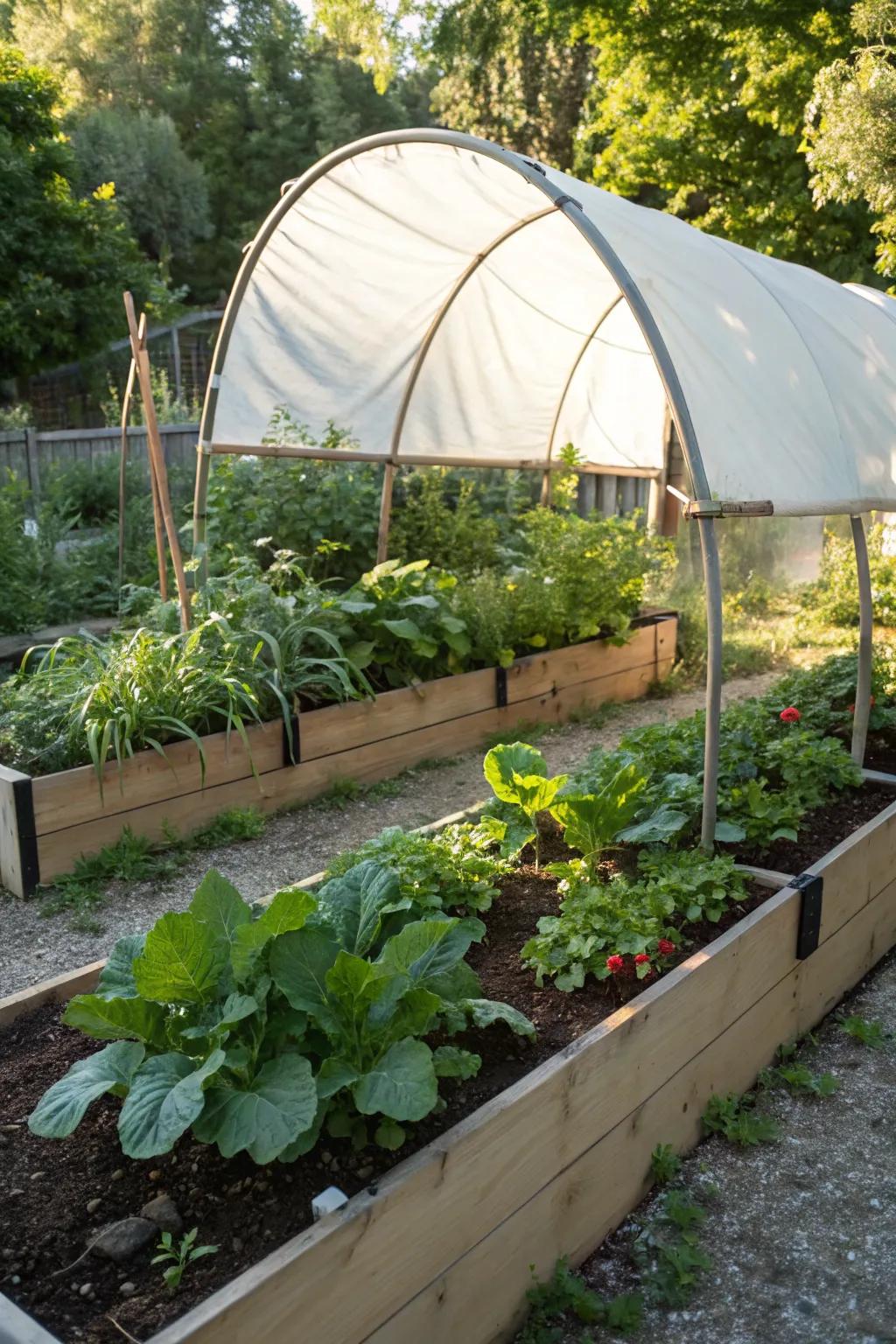
A plant cover sits above the growing area. Examples include floating row fabric, insect mesh, shade cloth, and clear plastic supported by hoops. These materials protect the leaves and stems from selected weather conditions or pests.
Some beds benefit from both types. For example, a vegetable bed can have straw mulch around its plants and insect netting above them. The mulch protects the soil, while the netting helps block insects.
For bare soil
Choose organic mulch or another suitable ground cover.
For growing vegetables
Choose breathable row-cover fabric or insect netting when pest protection is needed.
For summer heat
Use shade cloth above the plants with enough space for airflow.
Choose the Best Material to Cover Your Garden Bed
The best garden bed cover is the one that solves your main problem without creating an unsuitable growing environment. A material that works well in cold weather may be harmful during a hot summer afternoon.
Think about light, airflow, water, plant height, and the local weather. Also consider whether you need to reach the bed often for watering, pruning, harvesting, or weeding.
The following guide compares common garden bed covers and explains when each one makes sense.
Source: YouTube > Tracie’s Place
Organic mulch
Use straw, shredded leaves, composted bark, or suitable wood chips to cover exposed soil. Organic mulch can reduce evaporation, suppress weeds, and moderate soil temperature.
Floating row cover
Use lightweight, breathable fabric to protect crops from some insects, wind, and light frost. It allows air, sunlight, and water to pass through.
Insect netting
Use mesh fabric to block selected insect pests while allowing airflow and sunlight. Choose a mesh size that matches the pest you want to exclude.
Shade cloth
Use this material to reduce strong sunlight and help protect heat-sensitive crops. The amount of shade depends on the cloth’s shade rating.
Clear plastic
Use supported plastic for temporary protection or a small greenhouse-style structure. It can trap heat but needs careful ventilation.
Wire mesh
Use a sturdy mesh structure to protect plants from larger animals. It should be strong enough to resist pressure from the animals you want to keep away.
Which Garden Cover Should You Use?
For most home vegetable gardens, breathable row-cover fabric is a useful option when plants need temporary protection from pests or cool weather. For permanent soil care, organic mulch is often more practical.
If you grow lettuce or other cool-season crops during hot weather, shade cloth may help reduce heat stress. If you grow tomatoes, cucumbers, or squash, remember that flowers may need access to pollinators.
Best for weed control
Organic mulch applied at a suitable depth.
Best for light frost
A row-cover fabric with a weight suitable for the expected temperature.
Best for insect exclusion
Insect netting with openings small enough to block the target pest.
Best for summer sun
Shade cloth supported above the plants.
Best for larger animals
A secure wire or netting enclosure.
Understand the Difference Between Row Cover and Insect Netting
Row-cover fabric and insect netting may look similar, but they serve different purposes. Row-cover fabric can trap some warmth and provide limited frost protection. Insect netting mainly acts as a physical barrier and generally does not provide the same temperature protection.
Cornell Cooperative Extension explains that the correct mesh size matters when excluding a particular pest. A net with openings that are too large may allow small insects to enter the bed.
If your main problem is insect damage during warm weather, insect netting may be more suitable than a heavier row cover. If cold weather is the concern, choose a fabric designed for frost protection.
Check pest size
Identify the insect before selecting mesh. Tiny pests may pass through ordinary garden netting.
Check temperature
Use a suitable row-cover weight when you need limited frost protection.
Check plant growth
Make sure the selected cover leaves enough room for stems, leaves, and flowers.
How to Cover a Garden Bed With Mulch
Mulching is one of the simplest ways to cover a garden bed. It works well for flower beds, vegetable gardens, raised beds, and many perennial planting areas.
The basic process is simple: remove weeds, prepare the soil, water the plants, spread the mulch, and leave space around plant stems. A good mulch layer should protect the soil without burying the plants.
Organic mulch also breaks down over time. As it decomposes, it can add organic matter to the soil, although the speed and effect depend on the material and local conditions.
Source: Hoosier Homemade
Straw
Clean straw can cover vegetable beds and help reduce soil splash. Avoid material that contains mature weed seeds or unwanted chemical residues.
Shredded leaves
Shredded leaves can protect soil and break down over time. They are often easier to spread than whole leaves, which may form a dense layer.
Wood chips
Wood chips are useful around established shrubs, trees, and perennial plants. Keep them on the soil surface rather than mixing them into the growing soil.
Compost
Mature compost can serve as a thin surface layer while adding organic matter. It should not be confused with a thick layer of coarse mulch.
Step 1: Remove Existing Weeds
Pull out visible weeds before adding mulch. Remove as much of the root system as practical, especially for perennial weeds that can regrow from underground roots.
Do not simply hide tall weeds beneath a new layer of material. Some established weeds can push through mulch and continue growing.
If the bed has many weeds, work through a small area at a time. This makes it easier to remove unwanted plants without disturbing the roots of your vegetables or flowers.
Remove large weeds
Pull or dig out established weeds before covering the bed.
Clear plant debris
Remove diseased leaves and damaged plant material that should not remain in the bed.
Step 2: Prepare and Water the Soil
Check the soil before spreading the mulch. If it is dry, water the bed so moisture can reach the root zone. Mulch helps slow future water loss, but it does not replace watering.
Add compost or another suitable soil amendment only if the soil needs it. Remember that mulch belongs on the soil surface, while amendments are materials mixed into the soil.
Level the surface gently around established plants. Avoid digging deeply near roots because this can damage the plants you are trying to protect.
Check moisture
Make sure the root zone has enough water before adding a thick surface cover.
Protect roots
Work carefully around shallow-rooted plants and young seedlings.
Step 3: Spread an Even Layer
Spread mulch across exposed soil in an even layer. For many garden beds, a depth of about 2 to 4 inches is a useful starting range for suitable coarse organic mulch, but the correct depth depends on the material and plants.
Fine materials settle and pack more easily, so they may need a thinner layer. Follow the guidance for the specific mulch you use rather than assuming every material should be applied at the same depth.
Keep mulch away from stems, crowns, and plant bases. A wet pile around a stem can hold excess moisture and encourage decay.
Use a suitable depth
Spread coarse organic mulch in a layer appropriate for its texture and the needs of the bed.
Leave plant space
Keep a small clear area around stems and crowns to reduce moisture-related problems.
Avoid deep piles
Excessively thick mulch can limit air movement and keep the soil too wet.
Step 4: Check the Bed After Watering
Water the bed gently after mulching if the soil needs it. Watch how water moves through the material instead of assuming every mulch allows water to pass at the same rate.
Some bark products can resist water movement, especially when they become very dry. If water runs off instead of soaking in, adjust your watering method or use a more suitable material.
Check the mulch again after heavy rain or strong wind. Replace material that has moved away and remove any thick, wet clumps.
Look for even moisture
Check the soil below the mulch rather than judging moisture by the surface alone.
Refresh thin areas
Add a small amount of mulch where soil has become exposed.
How to Cover a Garden Bed With Row Cover Fabric
Row-cover fabric is useful when you want to protect growing plants rather than cover the bare soil. It is commonly made from lightweight, nonwoven polyester or polypropylene.
This material allows air, sunlight, and water to pass through while creating a physical barrier around the plants. Depending on its weight, it can also provide limited protection from cold temperatures.
The University of Maryland Extension describes lightweight, medium-weight, and heavyweight row covers with different levels of light transmission and frost protection. Heavier fabric provides more insulation but allows less light through.
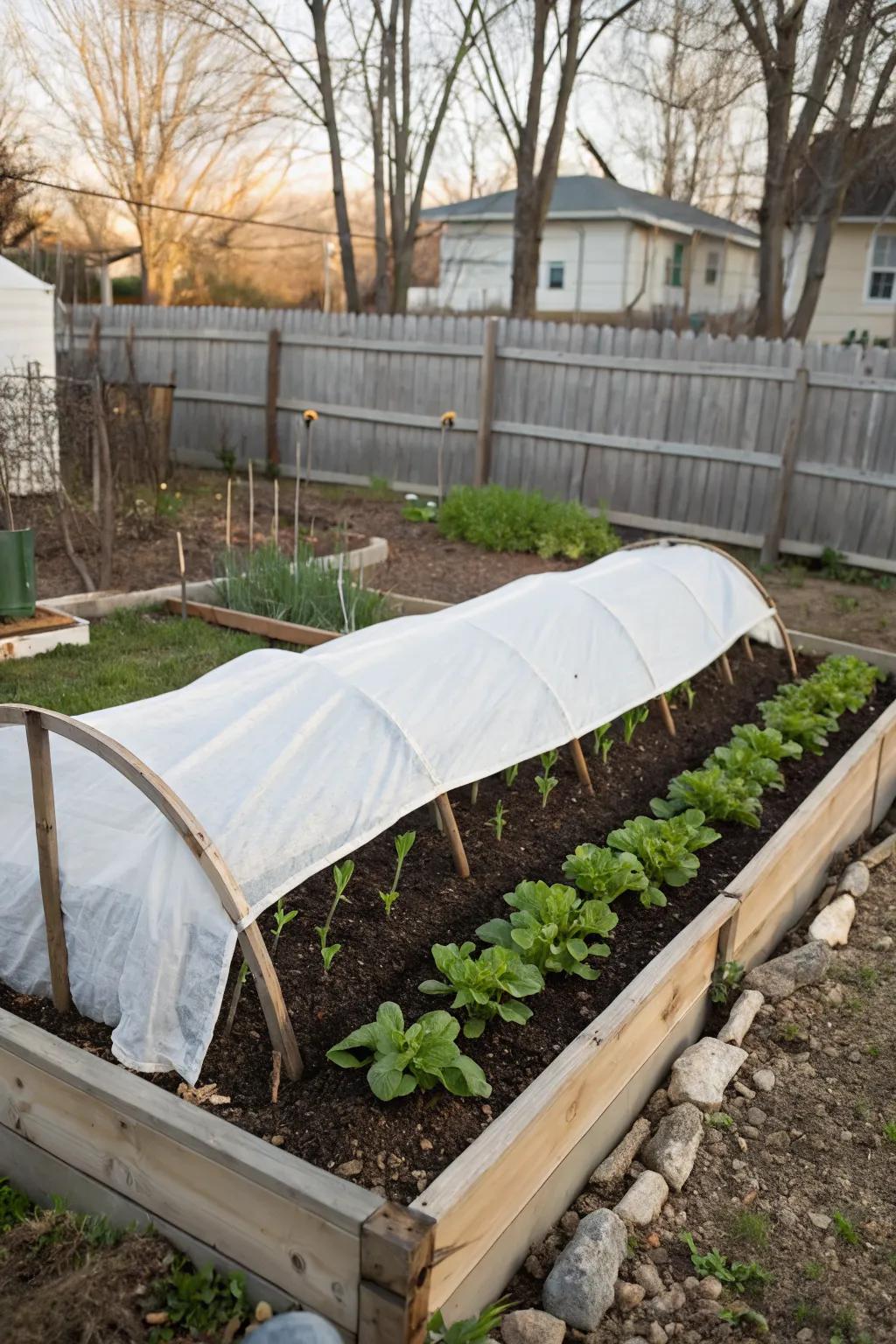
For a home garden, the simplest setup uses fabric, flexible hoops, and ground anchors. You can also drape suitable lightweight fabric over short plants if it has enough slack and will not damage the leaves.
Source: garden.eco
Floating row cover
A lightweight fabric that rests loosely over plants and rises as they grow. It works best when the crop can tolerate contact with the fabric.
Supported row cover
Fabric placed over hoops or a frame. This creates more growing space and reduces direct pressure on leaves.
Ground anchors
Landscape staples, bricks, boards, or other safe weights keep the fabric from lifting in the wind.
Step 1: Measure the Garden Bed
Measure the length and width of the bed before buying or cutting the fabric. Add extra material on every side so the edges can reach the ground and remain secure.
If you plan to use hoops, measure the height of the structure as well. A cover that is too small may pull away from the anchors or press against growing plants.
Allow additional slack for crops that grow quickly. Leafy greens may need less vertical room than tomatoes, peppers, or climbing vegetables.
Measure the full width
Include the distance over the hoops, not just the flat width of the bed.
Allow anchoring space
Leave enough fabric to reach the ground on both sides.
Plan for plant height
Choose a frame that can support the expected mature size of the crop.
Step 2: Install the Support Hoops
Place flexible PVC pipes, suitable metal hoops, or other sturdy supports across the bed. Secure each support according to its design so it cannot fall onto the plants during normal weather.
Space the supports evenly along the bed. The exact spacing depends on the material, bed length, and local wind conditions. Add support where the fabric may sag or collect rainwater.
Smooth any sharp edges before placing the fabric over the structure. Sharp points can tear the material and leave openings for pests.
Use stable supports
Choose hoops that can hold the cover without bending into the growing space.
Check the frame
Push gently on the supports to check for loose joints or unstable attachment points.
Step 3: Drape the Fabric Over the Bed
Place the row-cover fabric over the hoops and spread it evenly. Make sure it reaches the ground on both sides and at each end.
Do not pull the material so tightly that it presses against the plants. Leave enough room for leaves and stems to grow without rubbing against the fabric.
If you are covering a short crop directly, spread the fabric gently. Leave enough slack for the plants to push it upward as they grow.
Keep the cover even
Avoid large gaps, loose corners, or sections that can catch strong wind.
Protect plant leaves
Use supports when the fabric is heavy or the crop has delicate foliage.
Step 4: Secure All Edges
Secure the edges against the soil with landscape staples, boards, bricks, sandbags, or another suitable anchor. Make sure there are no openings where insects or animals can enter.
Pay special attention to the corners. Wind often lifts loose corners first, and small openings can make a pest barrier ineffective.
When you open the cover for watering or harvesting, close it again and restore the anchors. A row cover only works as a barrier when its edges remain properly sealed.
Anchor both sides
Keep the fabric in contact with the ground along its full edge.
Secure the ends
Close gaps at both ends of the garden bed.
Inspect after wind
Check for loose anchors, tears, and openings after strong weather.
How to Cover a Garden Bed for Frost Protection
To protect a garden bed from light frost, use a suitable floating row cover or frost blanket and secure it before temperatures fall. The material helps trap some warmth around the plants and reduces their exposure to cold air.
The amount of protection depends on the fabric weight, crop, weather, and installation. University of Maryland Extension lists approximate frost protection of 2°F for lightweight material, 4 to 6°F for medium-weight material, and up to 8°F for heavyweight material.
These figures are not a guarantee that every plant will survive a freeze. A severe or prolonged cold event can overwhelm a simple garden cover, especially if the crop is sensitive to freezing temperatures.
If you expect a very cold night, check the forecast and local extension guidance. Do not assume a thin fabric cover can replace a greenhouse or heated growing space.
Source: buzzlyo.com
Use frost fabric
Choose a cover designed for plant protection rather than ordinary decorative mesh.
Cover before temperatures fall
Install the cover before the coldest part of the night.
Secure the edges
Prevent wind from lifting the fabric and allowing cold air to enter.
Check plants in the morning
Remove or open the cover when conditions improve and the plants need ventilation.
Should You Use Plastic or Fabric for Frost Protection?
Breathable fabric is generally easier to manage for routine garden protection because it allows air and moisture to pass through. It can remain over some crops for longer periods when temperatures and plant needs are suitable.
Plastic can trap more heat, but it can also create excessive temperatures during sunny weather. It should be supported above the plants and opened or removed when conditions become warm.
Never assume that ordinary plastic sheeting works like a breathable frost blanket. If plastic touches foliage during freezing conditions, the contact area may be more vulnerable to cold injury.
Choose fabric for routine protection
Breathable row-cover material is useful for many spring and fall garden situations.
Use plastic with care
Support it above the plants and provide a way to release trapped heat.
Avoid unsafe heat buildup
Open or remove temporary plastic covers when daytime temperatures rise.
Protect a Raised Bed During Winter
A raised bed can lose heat more quickly than surrounding ground because its sides are exposed to cold air. A simple winter cover can help protect hardy crops, but it should match the plants and the expected weather.
Remove dead plant material, check for pests, and water the bed if the soil is dry before installing a winter cover. You can use suitable row fabric over hoops to create a low tunnel.
For beds that will remain empty, a layer of appropriate organic mulch or a planted cover crop may help protect the soil. Choose the method based on your climate, drainage, and plans for the next growing season.
Protect the soil
Use suitable mulch or a cover crop when the bed will remain unplanted.
Support the fabric
Use a frame if the crop needs room or the cover could press against the leaves.
Check drainage
Make sure the cover does not direct rainwater into an area where it can collect.
How to Cover a Garden Bed During Hot Summer Weather
Shade cloth is a useful option when intense sunlight and heat place stress on garden plants. It reduces the amount of direct sunlight reaching the bed and can help protect crops that struggle during very hot weather.
Cool-season crops such as lettuce and some herbs may bolt or develop poor quality when temperatures rise. A suitable shade structure can help reduce heat exposure, although it cannot correct every problem caused by high temperatures.
Choose a shade cloth based on the plants and the amount of sun the bed receives. A cloth that blocks too much light may slow growth, while one that provides too little shade may not solve the problem.
Shade cloth should sit above the plants rather than resting directly on their leaves. This creates space for airflow and reduces the risk of foliage damage from contact with the material.
Source: YouTube > Hoosier Homemade
Check the shade rating
Choose a level of shade that matches the crop and the local sunlight conditions.
Build a raised frame
Use hoops or a sturdy frame to keep the cloth above the foliage.
Keep airflow open
Avoid wrapping the bed in a way that traps hot, humid air.
Monitor soil moisture
Continue checking the root zone because shade does not remove the need for regular watering.
How to Install Shade Cloth
Measure the bed and select a shade cloth that covers the growing area. Add enough material to attach it securely to the frame without leaving large gaps.
Build a frame with hoops, posts, or another suitable support. Keep the cloth high enough to allow air to move around the plants and give the leaves room to grow.
Attach the cloth with suitable clips, ties, or fasteners. Do not use sharp fasteners that could tear the material or create a hazard in the garden.
Check the structure during windy weather. A loose shade cloth can act like a sail and place stress on its supports.
Measure before cutting
Include the frame dimensions and the material needed for attachment.
Secure the frame
Make sure posts and hoops remain stable in expected weather.
Watch plant growth
Raise or adjust the cover if plants begin touching it.
Can You Use Row Cover in Summer?
Lightweight row-cover fabric may be useful for selected crops and pest problems, but it is not always suitable for hot weather. Because it can raise the temperature and humidity under the material, a covered bed may become too warm.
Insect netting is often a better option when the main goal is to block pests without adding as much heat. Shade cloth is more appropriate when strong sunlight is the main concern.
Check the temperature and plant condition under any cover. If leaves wilt, flowers drop, or the air becomes excessively hot, open or remove the cover and reassess the material.
For insect protection
Consider suitable insect netting.
For heat reduction
Consider shade cloth with a suitable shade rating.
For cool nights
Use a suitable row cover when temporary cold protection is needed.
How to Build a Simple DIY Garden Bed Cover
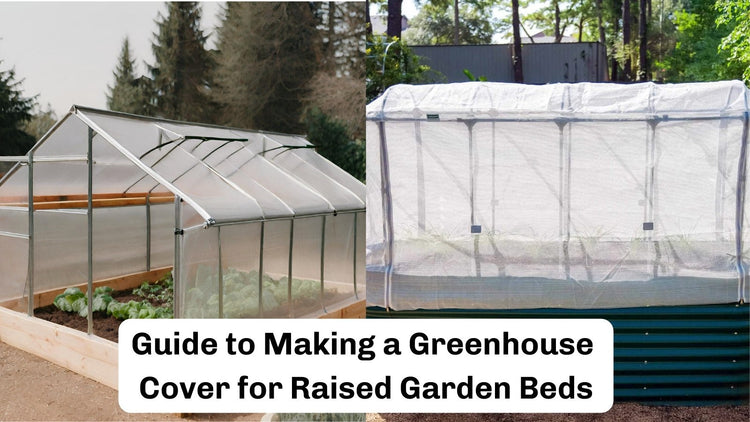
A simple DIY garden bed cover can be made with flexible hoops, suitable fabric, and a few ground anchors. This setup works well for many raised vegetable beds and can be adjusted as plants grow.
You do not need a complex structure for a small garden. The important parts are a stable frame, a suitable cover, enough space above the plants, and secure edges.
Before building, check the size of the bed and the type of cover you plan to use. A lightweight insect barrier needs a different design from a heavier winter cover.
These create an arch above the bed and support the cover material.
Row-cover fabric or netting
Choose the material based on whether you need frost, insect, or animal protection.
Ground anchors
Use landscape staples, suitable clips, or other secure fasteners.
Measuring tape and scissors
Use these to measure the structure and cut the material to the correct size.
Step-by-Step DIY Cover Installation
First, measure the raised bed and mark where each hoop will sit. Install the hoops securely so they form a smooth arch over the growing area.
Next, spread the cover over the frame. Make sure it reaches the ground on all sides and has enough extra material to allow for growth and easy access.
Attach the cover with clips or suitable fasteners. Secure the bottom edges with anchors so the material cannot lift easily when the wind picks up.
Finally, inspect the whole structure. Look for sharp edges, loose joints, holes, and places where plants might become trapped between the cover and frame.
Open the cover when you need to weed, inspect, or harvest. After finishing, close the structure and secure it again.
Start with a clean bed
Remove weeds, damaged leaves, and loose debris before building the cover.
Fit the frame
Place supports so the cover does not collapse onto growing plants.
Attach the material
Spread the fabric evenly and secure it with suitable fasteners.
Inspect the structure
Check the frame, fabric, and ground anchors before relying on the cover.
How to Make a Hinged Garden Bed Cover
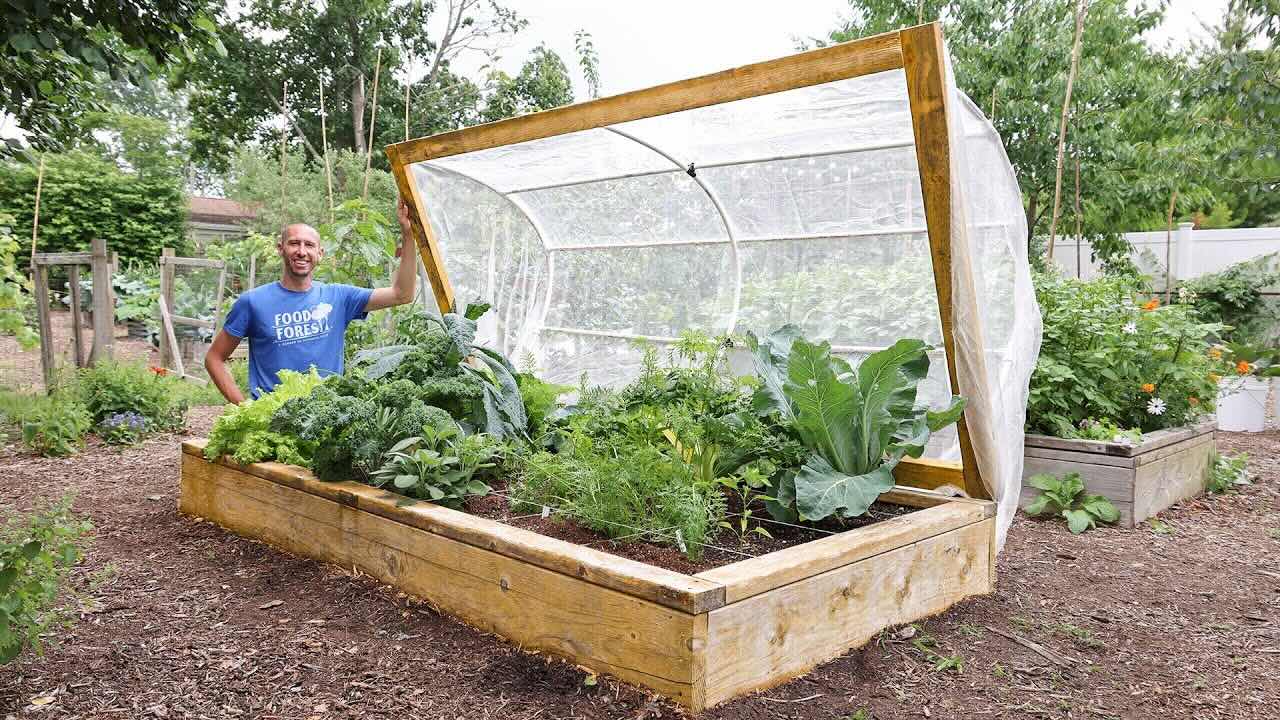
A hinged cover is useful when you need regular access to a raised bed. It can be made with a lightweight frame attached to one side of the bed using suitable outdoor hinges.
The frame can hold insect netting, row-cover fabric, or another material suited to the plants. A hinged design allows you to lift the cover for watering, pruning, and harvesting without removing the entire structure.
Use weather-resistant materials and check that the frame does not become too heavy for the bed. Add a safe support or latch if the lid could fall unexpectedly.
A hinged cover is not automatically a secure animal barrier. If rabbits or other animals are the concern, make sure the mesh, frame, edges, and latch are strong enough for the purpose.
Use a light frame
Choose materials that can be lifted without straining the hinges.
Install suitable hinges
Attach them firmly to the bed structure and check that the lid moves freely.
Add a safe latch
Keep the cover closed when protection is needed.
How to Keep Insects and Animals Away From a Covered Garden Bed
A garden cover can reduce pest damage when it creates a complete physical barrier. However, the material must match the pest, and the cover must be installed before the problem becomes established.
For example, fine mesh may block some flying insects, while a stronger wire structure may be needed to keep larger animals away. Ordinary lightweight fabric should not be treated as a secure barrier against every animal.
Cornell Cooperative Extension recommends considering the pest’s life cycle before installing a row cover. Some insects can already be present in the soil or nearby plant debris, so covering an infested bed may trap the problem inside.
Inspect plants before covering them. If you find insects, eggs, or signs of disease, address the problem using an appropriate method before sealing the bed.
Source: guterboden.de
For flying insects
Use suitable insect mesh with openings small enough to exclude the target pest.
For birds
Use securely supported netting that does not create a hazard for wildlife.
For rabbits
Use sturdy mesh with suitable openings and secure the lower edges.
For deer
A lightweight bed cover may not be enough. A properly designed garden fence may be more suitable.
Prevent Pests From Getting Under the Cover
Check the edges before closing the garden bed. A small opening can allow insects or animals to enter, especially when the cover is meant to exclude a specific pest.
Inspect the material for holes and tears. Repair small openings when possible, or replace damaged sections if they can no longer provide reliable protection.
Keep weeds and plant debris under control around the bed. Some pests use nearby vegetation and debris as shelter before moving onto garden crops.
Seal the edges
Use secure anchors along the full perimeter.
Inspect for damage
Repair holes before pests can enter.
Check plants regularly
Look under leaves and around stems for eggs, insects, and feeding damage.
Remember Pollination
Some vegetable crops need insects to transfer pollen between flowers. Tomatoes, peppers, cucumbers, squash, and melons may need pollinator access for normal fruit production, depending on the crop and variety.
If a row cover blocks bees from reaching flowers, fruit production may suffer. Remove the cover when flowering begins or provide an appropriate period of access for pollinators.
This is one reason a cover should not be installed and forgotten. The plants change as they grow, and the protection that helped young seedlings may become a problem later.
Watch for flowers
Check crops regularly for the first open blooms.
Allow pollinator access
Open or remove covers when the crop needs insect pollination.
Replace protection when suitable
If pest pressure remains high, use a plan that allows pollination while maintaining appropriate protection.
Common Mistakes When Covering a Garden Bed
A garden bed cover should make plant care easier, not create a new set of problems. Many failures happen because gardeners choose a material without considering heat, airflow, water, plant growth, or pollination.
A quick inspection can prevent most of these issues. Check the soil, leaves, cover edges, and frame rather than judging success by appearance alone.
Source: storage.googleapis.com
Using the wrong material
Heavy frost fabric may trap too much heat during warm weather, while open mesh may not provide enough protection from cold temperatures.
Leaving gaps around the edges
Loose corners and unsealed sides allow pests and wind to get under the cover.
Covering plants too tightly
Fabric pressing against delicate foliage can cause damage and may limit normal plant growth.
Forgetting pollination
Keeping insect-pollinated crops covered during flowering can interfere with fruit development.
Ignoring heat buildup
Plastic and heavier fabrics can raise temperatures under the cover. Open or remove them when conditions become too warm.
Applying too much mulch
An excessively deep layer can reduce air movement around roots and keep the soil too wet.
Mixing wood chips into the soil
Wood products should generally remain on the surface in established garden beds. Mixing them into soil can temporarily affect nitrogen availability.
Using damaged netting
Torn material may allow pests to enter and can become tangled around plants or wildlife.
How to Know Whether Your Garden Cover Is Working
A successful cover protects the intended part of the garden while allowing healthy growth. Plants should remain firm, leaves should look healthy, and the soil should have suitable moisture.
If the bed is covered for pest control, look for fewer new signs of feeding damage. If the cover is used for frost protection, compare plant condition with the weather and the crop’s cold tolerance.
Check the structure regularly. A cover that looks fine from a distance may have a loose corner, a torn section, or too little space above the plants.
Healthy plant growth
Leaves and stems remain in good condition without signs of excessive heat or physical pressure.
Suitable soil moisture
The soil stays moist enough for the crop without becoming waterlogged.
Fewer pest problems
The number of new holes, damaged leaves, and other signs of feeding begins to decline.
Stable cover
The fabric, frame, and anchors remain in place during normal weather.
How to Maintain and Store Your Garden Bed Cover
Regular maintenance helps a garden cover last longer and keeps the bed in good condition. Inspect the material after strong wind, heavy rain, and major temperature changes.
Clean away leaves and debris that collect on the cover. Check the frame for loose connections and make sure the material does not sag onto growing plants.
When the growing season ends, remove reusable fabric and netting if the crop no longer needs protection. Clean and dry the material before storing it in a protected place.
Source: YouTube > Tracie’s Place
Check anchors
Replace loose or damaged stakes, clips, and fasteners.
Repair small tears
Patch suitable fabric or replace sections that no longer provide an effective barrier.
Keep covers clean
Remove plant debris and soil that could hold moisture or pests.
Store materials safely
Keep dry fabric in a sealed storage container or another protected area away from rodents.
When Should You Remove a Garden Bed Cover?
Remove or adjust a cover when the weather changes, plants outgrow the available space, or flowers need pollination. The right time depends on the crop and the purpose of the material.
A frost blanket may be useful during a cold night but unnecessary during a warm afternoon. A pest barrier may remain useful longer, provided the crop does not need access to pollinators.
A mulch layer usually remains in place longer, but it should be checked as it decomposes. Add more only when needed, and avoid building a thick layer around stems.
Remove excess heat
Open or remove covers when temperatures under them become too high.
Allow pollination
Give pollinators access when the crop needs insect pollination.
Make room for growth
Raise the frame or remove the cover before plants become crowded.
Store reusable material
Clean, dry, and protect fabric and netting before putting them away.
Frequently Asked Questions
Q
What is the cheapest way to cover a garden bed?
For soil protection, shredded leaves, clean straw, or suitable garden clippings can be low-cost options if they are available locally and free from weed seeds or unwanted chemical residues.
For plant protection, lightweight row-cover fabric is a practical option that can be cut to fit a small bed and reused when handled and stored properly. The cheapest material is not always the best choice, so consider the weather and the type of protection you need.
Q
Can I cover a garden bed with a tarp?
You can use a tarp for certain temporary jobs, such as covering an empty bed or protecting soil from heavy rain. However, an ordinary waterproof tarp should not be placed directly over growing plants for extended periods.
A tarp blocks sunlight and limits airflow. It can also trap heat and moisture. For living plants, choose a breathable row cover, suitable insect netting, or shade cloth instead.
Q
Should I cover my garden bed every night?
No. Covering a garden bed every night is not necessary unless the plants need protection from cold, pests, or another specific problem. The right schedule depends on the crop, local weather, and cover material.
For example, a frost blanket may be used during a cold night and removed or opened when daytime temperatures rise. A pest barrier may stay in place longer if it allows enough light and airflow and does not interfere with pollination.
Q
Can I use landscape fabric to cover a vegetable garden bed?
Landscape fabric can be used in some garden layouts, but it is not the same as breathable row-cover fabric. It is generally placed on the soil surface to help manage weeds rather than to protect plant leaves from frost or insects.
For home gardens, organic mulch may be a better option in many situations because it can break down and add organic matter. If you use landscape fabric, consider how it will affect watering, soil maintenance, and future planting.
Q
How deep should mulch be in a garden bed?
A layer of about 2 to 4 inches is a common starting range for suitable coarse organic mulch in many established garden beds. However, the ideal depth depends on the material, plant type, and soil conditions.
Fine materials can form a dense layer and may need less depth. Keep mulch away from plant stems and crowns, and avoid piling it so deeply that water and air cannot move through the soil properly.
Q
Can I leave row cover on vegetables all season?
Some crops can remain under lightweight row cover for much of their growing period, provided the material allows enough light and the temperature stays suitable. Leafy greens and some crops that do not depend on insect pollination may tolerate longer coverage.
Crops such as squash, cucumbers, and melons need pollinator access for normal fruit production. Open or remove the cover when flowering and pollination require it. Also remove or adjust covers if the plants become crowded or the weather turns too hot.
Q
Does a garden bed cover need a frame?
Not always. Lightweight floating row cover can rest directly on short, suitable plants if enough slack is provided. This is often a simple option for low-growing crops.
A frame is better when the fabric is heavier, the plants are delicate, or the crop needs room to grow upward. Frames are also useful for shade cloth and plastic covers that should not touch the foliage.
✦ Wrapping Up
Conclusion
Learning how to cover a garden bed starts with knowing what you want to protect. Mulch helps manage weeds and soil moisture, row-cover fabric offers limited frost and pest protection, insect netting blocks selected pests, and shade cloth reduces strong sunlight.
Prepare the bed before installing any cover. Remove weeds, check plant health, water when needed, and select a material that suits the crop and local weather. If you use a frame, make sure it is stable and leaves enough room for plant growth.
Do not forget to inspect the covered bed. Heat, moisture, insects, weeds, and pollination needs can change during the growing season. A cover that works well today may need to be opened, adjusted, or removed later.
You do not need an expensive structure to protect a small garden. A suitable mulch layer or a simple hoop frame can be enough when it is installed correctly and checked regularly.
💡 Key Takeaway
Start by identifying your garden bed’s main problem. Choose mulch for bare soil, breathable row fabric for limited frost and pest protection, insect netting for selected insects, or shade cloth for strong summer sun. Measure the bed, prepare the plants, secure the cover, and inspect it regularly.