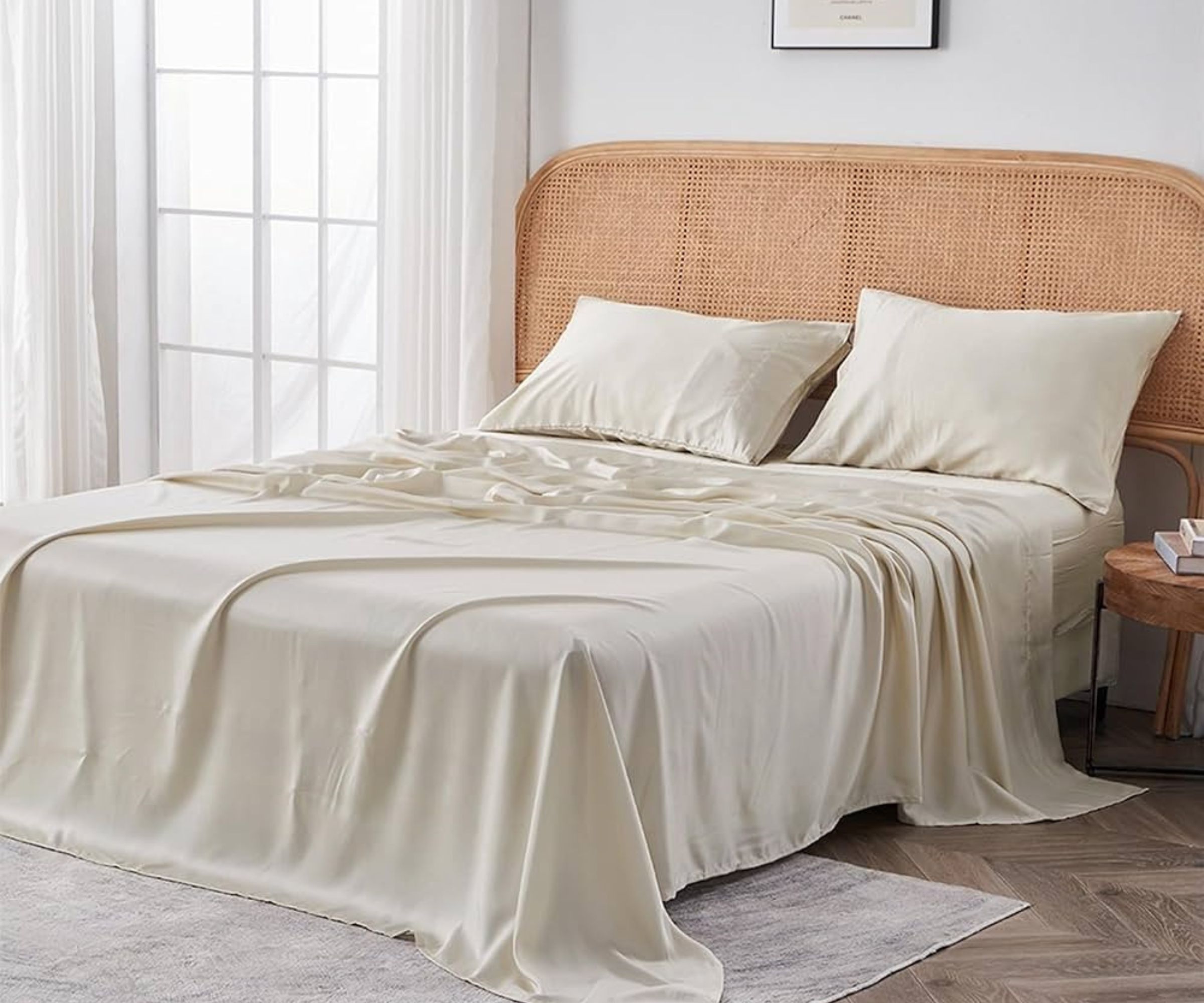
Thick bed sheets are commonly called flannel sheets, heavyweight sheets, brushed cotton sheets, or fleece sheets, depending on their fabric and texture.
When shopping for bedding in the United States, you may notice that some sheets feel much thicker and warmer than standard cotton sheets. These are often sold as heavyweight bed sheets, flannel sheets, or winter sheets. The exact name depends on the material, how the fabric is made, and the level of warmth it provides.
Flannel is one of the most common names for thick, warm bed sheets in the US. It usually has a soft, brushed surface that helps hold warm air close to your body. Brushed cotton, jersey, fleece, and heavyweight linen are other options, but each has a different feel and purpose.
The best way to find thick sheets is to look beyond the product name. Check the fabric content, fabric weight, surface finish, and care label. These details help you tell the difference between a truly substantial sheet and one that only feels soft or fluffy.
Thick bed sheets are generally called heavyweight bed sheets, winter sheets, or warm bed sheets. However, the most common specific fabric name is flannel. Other names include brushed cotton, fleece, and heavyweight jersey, depending on the construction.
There is no single technical name for every thick sheet. A seller may use the word heavyweight to describe a dense cotton fabric, while another may use winter sheets for brushed flannel. Both descriptions can refer to thicker bedding, but they do not guarantee the same texture or warmth.
Think of the names as clues about the fabric. Flannel tells you about a brushed fabric surface, fleece describes a soft pile, and heavyweight describes the general weight of the material. Knowing these differences makes shopping much easier.
Source: cdn.mos.cms.futurecdn.net
Flannel sheets
Soft, brushed sheets that hold warmth and are widely used as cold-weather bedding.
Heavyweight cotton sheets
Thicker cotton sheets made with a substantial fabric construction. They can feel dense without having a fuzzy surface.
Brushed cotton sheets
Cotton sheets with raised surface fibers that create a soft, warm feel.
Fleece sheets
Plush sheets, often made from polyester, that provide a soft surface and strong insulation.
Heavyweight jersey sheets
Stretchy knit sheets that can feel thicker and more substantial than lightweight woven cotton.
Is Heavyweight the Same as Thick?
The terms are closely related, but they are not always identical. Heavyweight usually refers to the mass of the fabric, while thick describes its physical depth or feel. A dense cotton sheet can be heavy without being especially fluffy.
A fleece sheet may feel thick because it has a raised pile. A tightly woven cotton sheet may feel substantial but have a much flatter surface. This is why fabric weight and physical thickness should not be treated as the same measurement.
Fabric weight
The mass of the material, often measured in GSM or ounces per square yard.
Physical thickness
The distance between the two surfaces of the fabric.
Perceived thickness
How thick, soft, or substantial the material feels when touched.
Different Types of Thick Bed Sheets
Several types of bed sheets can feel thick and warm. Their differences come from fiber content, fabric construction, and surface treatment. Some are made for cold winter nights, while others provide a substantial feel without adding too much warmth.
Before choosing a set, decide whether you want a fuzzy surface, a smooth and dense fabric, or a stretchy knit. The right choice can make your bed more comfortable without making you feel too hot.
Source: textilelearner.net
1. Flannel Sheets
Flannel sheets are a popular choice when people want thick and warm bedding. Most sheets sold as flannel in the US are made from cotton, although wool and synthetic versions also exist. The fabric is brushed to raise tiny fibers on its surface.
This process is called napping. It creates a soft, slightly fuzzy finish that traps small pockets of air. Those air pockets help slow heat loss, which makes flannel useful during cold weather.
Flannel quality is often described by GSM rather than thread count. A weight of around 170 GSM or higher is commonly used as a shopping reference for heavyweight flannel. However, fiber quality, brushing, and construction still matter.
Best for
Cold bedrooms, winter use, and people who enjoy a soft, cozy sleeping surface.
Common materials
Cotton, wool, polyester, or blends of different fibers.
Main advantage
A brushed surface that feels soft and helps retain warmth.
Possible drawback
Flannel can feel too warm for hot sleepers and may release lint during early washes.
2. Brushed Cotton Sheets
Brushed cotton sheets are another name to look for when shopping for thick bedding. They are made from cotton fabric that has been mechanically brushed to lift fine fibers from the surface. This creates a soft finish that feels warmer than smooth, unbrushed cotton.
Some brushed cotton sheets are sold as flannel. However, product names can vary between brands and markets. Read the fabric description to see whether the sheet is single-brushed or double-brushed.
Double-brushed cotton has a raised surface on both sides. It can feel softer against your skin and may provide a more uniform finish. The actual warmth still depends on fabric weight and construction.
Best for
People who want a natural cotton feel with extra softness and warmth.
Main advantage
A soft, cozy surface without the full plush feel of fleece.
Possible drawback
The raised fibers can create lint and may pill with repeated use.
3. Fleece Bed Sheets
Fleece sheets have a thick, plush surface that feels different from ordinary cotton bedding. Most modern fleece bedding is made from polyester fibers. The fabric has a soft pile that helps trap warm air near the body.
Microfleece is a lighter version of fleece. It can feel smooth and soft while remaining less bulky than some traditional fleece fabrics. Heavier fleece may offer more warmth, but it can also make a bed feel hot.
Fleece is easy to recognize by its fluffy surface. It is a practical option for people who prefer a very soft sleeping surface, but it may not suit people who prefer the crisp feel of woven cotton.
Best for
Cold rooms and people who enjoy plush, synthetic bedding.
Main advantage
Strong warmth and a soft, cozy texture.
Possible drawback
Some fleece fabrics can hold heat and may produce static.
4. Heavyweight Jersey Sheets
Jersey sheets are made from knitted fabric rather than the standard woven construction used for percale or sateen sheets. They often feel like a soft cotton T-shirt. Heavyweight jersey versions have a more substantial feel and may provide extra warmth.
The knit construction gives jersey sheets natural stretch. This can help fitted sheets sit around a mattress, although the amount of stretch depends on the fabric blend and design.
Cotton jersey is a useful middle ground for people who want soft bedding without a fuzzy flannel surface. Some versions contain polyester or other fibers, so check the label before buying.
Best for
People who like stretchy, casual, soft bedding.
Main advantage
Flexible fabric with a relaxed, T-shirt-like feel.
Possible drawback
Some knit fabrics may stretch out or develop pills over time.
5. Heavyweight Linen Sheets
Linen sheets are usually known for their airy feel, but heavyweight linen can feel more substantial than lightweight cotton sheets. Linen comes from flax fibers and has a natural texture that becomes softer with use and washing.
A heavier linen fabric does not necessarily provide the same warmth as flannel. Its structure allows airflow, so it can still feel comfortable in different seasons. This makes it a different kind of thick bedding.
If you want dense fabric rather than a fuzzy surface, heavyweight linen may be worth considering. Check the fabric weight and product details because linen weight varies between manufacturers.
Best for
People who want substantial fabric with a natural, textured feel.
Main advantage
Breathability, natural texture, and a durable fabric structure.
Possible drawback
Linen can wrinkle easily and may feel rougher before it softens.
How to Tell If Bed Sheets Are Thick
You can judge sheet thickness by checking the fabric weight, touching the material, and reading the construction details. Do not rely on the product title alone. Some sellers use words such as luxury, premium, and extra soft without giving useful information about actual fabric weight.
GSM is one of the most useful measurements for comparing fabrics that are commonly sold by weight. It stands for grams per square meter. A higher GSM means more fabric mass in a square meter, although it does not automatically mean better quality or greater warmth.
For woven cotton sheets, manufacturers often list thread count instead of GSM. Thread count measures the number of horizontal and vertical threads in one square inch of fabric. It is not a direct measurement of thickness.
Source: cdn.shopify.com
Understand GSM Before Buying
GSM helps compare the weight of similar fabrics. For example, a 180 GSM flannel sheet has more fabric mass per square meter than a 150 GSM flannel sheet. The heavier version may feel more substantial, but brushing and fiber quality can change the final feel.
Different fabrics have different normal weight ranges. A 100 GSM microfiber sheet and a 170 GSM flannel sheet should not be judged by the same standard because their fibers and construction are different.
Flannel
Around 170 GSM or higher is a common reference for heavyweight, warm flannel.
Microfiber
Around 90 to 120 GSM is a commonly cited lightweight range. Heavier microfiber is also available.
Jersey
Around 150 GSM is a common reference, although heavier knit options exist.
Linen
Around 170 to 190 GSM is a useful reference for substantial linen fabric.
Check the Fabric Construction
The way a sheet is made can affect how thick it feels. A brushed fabric has raised fibers on its surface, while a smooth woven fabric may feel flatter even when its total weight is similar.
Look for terms such as double-brushed, heavyweight knit, dense weave, and plush pile. These descriptions help explain the fabric construction, but they should be supported by clear material information.
Raised surface
A fuzzy or plush finish can make a sheet feel thicker and warmer.
Dense weave
A close fabric structure can create a more substantial feel without adding a fuzzy surface.
Knit construction
Knitted sheets often feel flexible and stretchy rather than crisp.
Do Not Depend Only on Thread Count
A high thread count does not always mean a thick sheet. Thread count describes the number of threads in a set area, not the weight or depth of the fabric. Fiber thickness, yarn quality, weave, and ply also affect how a sheet feels.
Flannel, fleece, and microfiber are often better compared by fabric weight and construction. When shopping for cotton percale or sateen, consider the fiber quality and weave along with thread count.
Low thread count
Does not always mean a thin or poor-quality sheet.
Very high thread count
Does not guarantee better softness, warmth, or durability.
Fabric weight
Provides a more direct way to compare the mass of fabrics measured in GSM.
Thick Bed Sheets vs. Regular Bed Sheets
Thick bed sheets usually feel more substantial and may retain more heat than lightweight sheets. Regular sheets, especially cotton percale, are often thinner and have a crisp, airy feel. The difference comes from the material, fabric weight, and surface finish.
Neither type is automatically better. A thick sheet may be comfortable during a cold winter night, but it can feel uncomfortable in a warm bedroom. A lightweight sheet may suit hot sleepers but feel too cool in an air-conditioned room.
The following comparison explains the main differences and helps match each fabric to its intended use.
Source: cdn.shopify.com
Quick Comparison of Thick and Lightweight Sheets
Use this table as a general guide. Actual performance varies by brand, fiber content, fabric weight, and construction.
Flannel sheets
Thick or medium-weight, fuzzy, soft, and warm. Best for cold weather.
Brushed cotton sheets
Soft, slightly fuzzy, and warmer than many smooth cotton sheets. Suitable for cooler rooms.
Fleece sheets
Plush, synthetic, and warm. Suitable for people who like a very soft surface.
Cotton percale sheets
Usually crisp, smooth, and breathable. Useful for warm rooms and hot sleepers.
Cotton sateen sheets
Smooth with a slight sheen and a softer drape. Often feels more substantial than percale.
Lightweight linen sheets
Airy, textured, and breathable. Suitable for people who prefer less heat retention.
Which Type Feels the Thickest?
Fleece often feels the plushest because of its raised pile. Heavyweight flannel can also feel thick, but its texture is usually less fluffy. Dense cotton and linen may feel heavier without having the same soft surface.
If you want a sheet that feels thick when you touch it, choose a plush or brushed fabric. If you want a sheet that feels dense and substantial, compare its GSM and construction instead.
Most plush feel
Fleece and some thick microfiber fabrics.
Classic warm feel
Heavyweight cotton flannel.
Natural substantial feel
Heavyweight cotton or linen.
How to Choose Thick Bed Sheets for Your Needs
Choose thick bed sheets based on how warm your bedroom is, how much heat you prefer while sleeping, and which fabric feels comfortable against your skin. A thick sheet is not always the best choice for every person or season.
For example, someone in a cold home in Minnesota may enjoy heavyweight flannel during winter. Someone in Florida may prefer lightweight cotton or linen for most of the year. Air conditioning can also change what feels comfortable, regardless of the outdoor climate.
Think about your normal sleeping conditions before buying. The right sheet should provide enough warmth without making you sweat or feel restricted.
Source: serenesleepzone.com
Choose Sheets Based on Room Temperature
Room temperature is one of the most useful factors when choosing thick bedding. A cold bedroom may call for flannel or fleece, while a warm room may need a lighter fabric.
If your bedroom temperature changes throughout the year, you may want two sheet sets. Use warmer bedding during cold months and switch to lighter sheets when temperatures rise.
Cold bedroom
Consider heavyweight flannel or fleece if you enjoy a warm sleeping surface.
Cool bedroom
Brushed cotton or medium-weight jersey can provide moderate warmth.
Warm bedroom
Choose breathable cotton percale or lightweight linen instead of heavy fleece.
Air-conditioned bedroom
Select fabric weight based on the temperature you maintain overnight, not only the outdoor weather.
Consider Your Sleeping Habits
People who feel cold at night may enjoy the insulating feel of flannel. People who naturally sleep hot may prefer a lighter sheet, even during winter. The amount of heat your body produces matters as much as the fabric itself.
Also consider whether you share a bed. Two people may have different temperature preferences. A sheet that feels comfortable to one person may feel too warm to the other.
Cold sleeper
Look at heavyweight flannel or brushed cotton.
Hot sleeper
Consider breathable cotton or linen rather than very thick fleece.
Sensitive to texture
Check the surface finish and choose a fabric that feels comfortable against your skin.
Check Mattress Depth and Pocket Size
A thick mattress needs a fitted sheet with enough pocket depth to cover the mattress securely. Thick sheets do not always have deep pockets, so check the product dimensions before ordering.
Measure your mattress from the bottom edge to the top surface. Include any mattress topper or pad that will remain on the bed. Compare the total measurement with the fitted sheet’s stated pocket depth.
A sheet that is too small may pull away from the corners during the night. A properly sized sheet should fit securely without excessive tension.
Measure the mattress
Check its length, width, and depth.
Include the topper
Add the height of any topper or mattress pad used regularly.
Check pocket depth
Choose a fitted sheet that matches the full height of your bedding surface.
Check elastic coverage
Look for strong elastic and a secure fit around the mattress corners.
How to Wash and Care for Thick Bed Sheets
Thick bed sheets need proper care to keep their texture, shape, and comfort. The correct method depends on the material. Cotton flannel, polyester fleece, and heavyweight jersey should not all be treated in exactly the same way.
Always check the manufacturer’s care label first. It provides the safest starting point for washing temperature, drying method, and any restrictions. Using excessive heat can damage some fibers, cause shrinkage, or affect the surface finish.
Thick fabrics can also take longer to dry than lightweight sheets. Avoid packing the washing machine too tightly because bedding needs room to move through the wash and rinse cycles.
Source: serenesleepzone.com
Washing Cotton Flannel Sheets
Wash cotton flannel according to its care label. A gentle cycle with cool or warm water is often suitable. Avoid excessive detergent because residue can affect the fabric’s feel.
Use a low dryer setting when the care label permits machine drying. High heat can increase shrinkage and may make the raised fibers less pleasant over time. Remove the sheets when dry instead of leaving them in a hot dryer.
Wash separately when needed
New flannel may release loose fibers during its first few washes.
Use mild detergent
Avoid using more detergent than the package recommends.
Avoid high heat
Use a suitable low-temperature drying setting.
Caring for Fleece and Jersey Sheets
Polyester fleece often benefits from cool washing and low-heat drying. Avoid high dryer temperatures because excessive heat can affect synthetic fibers. Fabric softener may also leave residue or affect the surface of some fleece materials, so follow the care instructions.
Jersey sheets should be washed according to their fiber blend. Cotton jersey may shrink if exposed to excessive heat, while blended fabrics may have different care needs. Keep fitted sheets from becoming tangled by following the washing machine’s load guidance.
Use gentle washing
A suitable gentle cycle can help limit unnecessary fabric stress.
Separate rough items
Wash sheets away from items with zippers, hooks, or rough surfaces.
Dry with care
Follow the recommended temperature to avoid fiber damage.
Common Mistakes When Buying Thick Bed Sheets
Buying thick sheets can be confusing because product descriptions often use similar words for different materials. A little attention to the fabric label can help you avoid choosing bedding that does not match your needs.
The biggest mistake is assuming that thicker always means better. A very warm sheet can be uncomfortable in a heated bedroom, and a high fabric weight does not guarantee softness or long-term durability.
Source: cdn.mos.cms.futurecdn.net
Choosing by thread count alone
Thread count does not directly measure fabric weight. Check GSM for materials such as flannel and microfiber.
Ignoring fiber content
Cotton, polyester, wool, and blended fabrics have different textures, care needs, and heat-retention properties.
Assuming all flannel is cotton
Flannel can be made from different fibers. Read the label to confirm the material.
Buying sheets that are too warm
Heavy fleece or flannel may cause discomfort for people who sleep hot.
Ignoring mattress depth
A fitted sheet must have enough pocket depth to fit over the mattress and any topper.
Ignoring care instructions
High washing or drying temperatures can cause shrinkage or damage some fabrics.
Does a Higher Price Mean Thicker Sheets?
No. Price and fabric thickness are not the same thing. A costly sheet may use fine cotton, long-staple fibers, or a special weave without being especially thick.
A less expensive flannel sheet may have a higher fabric weight than a premium lightweight cotton sheet. Compare the material, construction, GSM where available, and care instructions instead of using price as a shortcut.
Compare specifications
Look at fiber content, fabric weight, and construction.
Read the care label
Check whether the material needs special washing or drying.
Consider your needs
Choose warmth, breathability, and texture based on your sleeping environment.
Can Thick Sheets Cause Overheating?
Yes, thick sheets can feel too warm when they trap more heat than your body needs. This is especially possible with heavy fleece and flannel in warm rooms or during hot weather.
If you wake up feeling sweaty, try a lighter sheet or reduce the number of insulating layers on your bed. A breathable fabric may provide a more comfortable surface.
Reduce heavy layers
Remove unnecessary blankets and thick bedding.
Choose breathable materials
Cotton percale and linen may suit warm sleepers better.
Adjust room temperature
A cooler sleeping environment may improve comfort.
Frequently Asked Questions
Q
What is the proper name for very thick bed sheets?
Very thick bed sheets are commonly called heavyweight sheets, winter sheets, or flannel sheets. The exact name depends on the material. Flannel is a popular choice for warm bedding, while fleece and heavyweight cotton are other options.
Q
Are flannel sheets thicker than regular cotton sheets?
Flannel sheets often feel thicker and warmer than standard lightweight cotton sheets because their surface is brushed. The raised fibers help trap air and provide insulation. However, the actual difference depends on the weight and construction of both fabrics.
Q
What GSM is considered heavyweight for bed sheets?
For flannel, around 170 GSM or higher is a commonly used reference for heavyweight bedding. Other fabrics have different weight ranges, so there is no universal GSM number for all thick bed sheets. Always compare similar materials.
Q
Are heavyweight cotton sheets good for winter?
Yes, heavyweight cotton sheets can be comfortable in winter, especially when they have a brushed finish. Cotton flannel is a common cold-weather option. Smooth, dense cotton can also feel substantial, although it may not retain as much warmth as brushed fabric.
Q
Are fleece sheets thicker than flannel sheets?
Fleece sheets often feel plusher and fluffier than flannel because they have a raised pile. Flannel usually has a shorter brushed surface and a more traditional fabric feel. Which one feels thicker depends on the fabric weight and construction.
Q
What are thick bed sheets called in winter bedding stores?
Look for terms such as flannel sheets, brushed cotton sheets, fleece sheets, heavyweight sheets, and winter bedding. These names can help you find warm options, but check the fiber content and fabric weight before buying.
Q
Are thick bed sheets suitable for summer?
Some thick sheets may feel too warm for summer, especially in hot and humid rooms. Lightweight cotton percale and linen are often better choices when airflow and a cooler sleeping surface matter more than insulation.
Q
Do thick bed sheets need deep pockets?
Not necessarily. Sheet thickness and fitted-sheet pocket depth are separate features. However, if you have a tall mattress or use a thick mattress topper, choose a fitted sheet with enough pocket depth to cover the full sleeping surface.
✦ Wrapping Up
Conclusion
Thick bed sheets are commonly called heavyweight sheets, flannel sheets, brushed cotton sheets, or fleece sheets. Flannel is one of the most familiar choices in the United States because its brushed surface feels soft and helps keep you warm during cold nights.
Other materials can also provide a thick and substantial feel. Fleece offers a plush surface, heavyweight jersey provides stretch and softness, and dense cotton or linen can feel substantial without being fuzzy. Each type has its own balance of warmth, breathability, texture, and care needs.
When shopping, check the fabric content, GSM where available, surface finish, and fitted-sheet dimensions. Do not depend only on thread count or marketing terms such as luxury and extra thick. Your room temperature and sleeping habits should guide the final choice.
💡 Key Takeaway
If you want warm, thick bed sheets, start by searching for heavyweight cotton flannel or double-brushed cotton sheets. Compare fabric weight, fiber content, and mattress pocket depth before choosing a set.