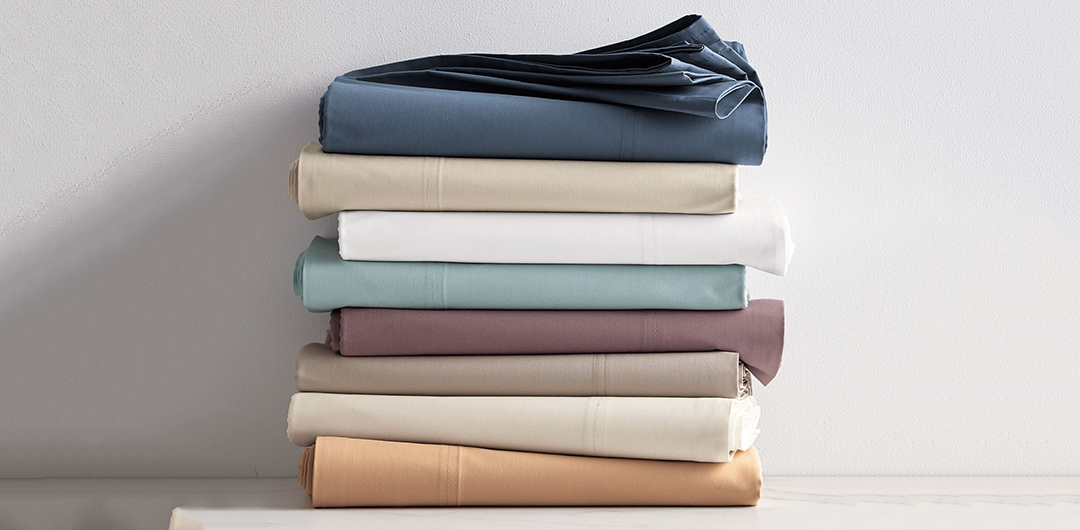
Bed sheets are pieces of fabric placed over a mattress or used between sleepers and blankets to provide comfort, protect bedding, and create a clean sleeping surface.
In American homes, bed sheets are a basic part of everyday bedding. Whether someone sleeps on a Twin bed in a small apartment, a Queen mattress in a family home, or a King bed in a main bedroom, sheets help make the bed more comfortable and easier to keep clean. They also add color, texture, and style to a bedroom.
Bed sheets come in many fabrics, including cotton, linen, polyester, bamboo-derived rayon, and microfiber. Each material feels different and has its own care needs. Some sheets feel crisp and cool, while others feel smooth, soft, or warm.
A standard sheet set often includes a fitted sheet, a flat sheet, and one or two pillowcases. However, not every set includes all three pieces. Understanding what each piece does, how fabrics differ, and how sheet sizes work can help you choose bedding that fits your mattress and sleep habits.
This guide explains what bed sheets are, why people use them, the main types available, and how to select and care for them. It also covers common buying mistakes so you can make a practical choice without paying for features you may not need.
Bed sheets are fabric coverings designed for use on a bed. They are usually placed directly over a mattress or between the sleeper and other bedding layers. Their main purpose is to create a comfortable surface for sleeping while helping keep the mattress and other bedding cleaner.
Most modern bed sheets are made from woven or knitted textile fibers. Manufacturers use natural fibers, synthetic fibers, or blends to create different levels of softness, strength, breathability, and stretch.
A bed sheet is not the same as a blanket, comforter, duvet cover, or mattress protector. Each item has a separate job. Sheets provide a close sleeping layer, while blankets and comforters add warmth and mattress protectors provide an additional barrier over the mattress.
In the United States, sheets are commonly sold as individual pieces or as complete bedding sets. A set may contain a fitted sheet, a flat sheet, and pillowcases. Some packages also include decorative pillow covers or other accessories.
Comfort
Sheets provide a soft or smooth surface between the body and the mattress. Their feel depends on the fabric, weave, and finish.
Cleanliness
Sheets collect much of the sweat, body oils, skin flakes, and everyday dirt that would otherwise reach the mattress directly.
Mattress care
A fitted sheet creates a basic fabric covering over the mattress, although it does not replace a waterproof or protective mattress cover.
Bedroom appearance
Sheets add color, patterns, and texture to a bed and can help create a consistent bedroom design.
What Is the Difference Between Bed Sheets and Bedding?
Bed sheets are one part of a larger bedding system. The word bedding refers to the full group of items used to make a bed comfortable and functional.
Bedding can include sheets, pillowcases, blankets, comforters, quilts, duvets, duvet covers, mattress pads, and mattress protectors. Sheets are usually the layer closest to the sleeper, while other pieces provide warmth, cushioning, or protection.
Bed sheets
Fabric layers used directly on the mattress or between the sleeper and other bedding.
Blankets and comforters
Coverings that provide warmth and insulation.
Pillowcases
Fabric covers that fit over pillows and help keep them cleaner.
Mattress protectors
Covers designed to help protect the mattress from spills, moisture, and other forms of wear.
What Are Bed Sheets Used For?
Bed sheets serve several practical purposes beyond making a bed look neat. They create a washable layer between the sleeper and the mattress, improve comfort, and help manage everyday moisture and dirt.
People naturally shed skin cells and release moisture while sleeping. Body oils and sweat can also build up on fabric over time. Sheets provide a removable layer that can be washed more easily than a mattress.
The fabric also affects how a bed feels. A lightweight cotton percale sheet may feel crisp and airy, while cotton sateen may feel smoother and more draped. Flannel can feel warmer during colder months.
Sheets can also help reduce friction between the body and the bedding surface. The amount of friction depends on the material, surface texture, and fabric construction.
Keeping the mattress cleaner
A fitted sheet catches much of the everyday dirt and body residue that comes from normal sleep.
Improving sleep comfort
Different fabrics offer different textures, weights, and temperature sensations.
Making laundry easier
Sheets can usually be removed and washed without moving or cleaning the entire mattress.
Adding personal style
Colors, prints, and fabric finishes help create a bedroom that matches personal taste.
Do Bed Sheets Protect a Mattress?
Yes, bed sheets provide a basic layer between the mattress and the sleeper. They can help limit direct contact with sweat, body oils, dust, and everyday dirt.
However, ordinary sheets do not provide complete mattress protection. Most are not waterproof, and liquid can pass through the fabric. A mattress protector is a better choice when protection from spills, moisture, or stains is important.
Using both a mattress protector and a fitted sheet creates separate layers with different jobs. The protector helps shield the mattress, while the sheet provides the surface that touches the body.
For everyday cleanliness
Use a fitted sheet and wash it on a regular schedule.
For liquid protection
Choose a suitable waterproof or water-resistant mattress protector.
What Are the Main Types of Bed Sheets?
The main types of bed sheets are classified by their shape, purpose, or construction. The most familiar pieces are fitted sheets, flat sheets, and pillowcases.
Each piece has a different role. Some fit around the mattress, some lie across the bed, and others cover pillows. Knowing the difference makes it easier to understand what comes in a sheet set.
Source: shopandbox.com
Fitted sheets
These sheets have elastic around the edges or corners. They stretch over the mattress and stay in place during sleep.
Flat sheets
These are rectangular sheets that lie over the sleeper. They are commonly placed between the fitted sheet and a blanket or comforter.
Pillowcases
These fabric covers fit over pillows and are often included in standard sheet sets.
Split sheets
Some adjustable beds use separate fitted sheets or specialized bedding to accommodate independently moving mattress sections.
What Is a Fitted Sheet?
A fitted sheet is designed to cover the top and sides of a mattress. Elastic around its edges helps hold the fabric underneath the mattress so it does not easily slide off.
Fitted sheets are often the first sheet people place on a bed. They need to match both the mattress size and its depth. A sheet that is too small may pull away at the corners, while one that is too large may wrinkle or move during sleep.
Deep-pocket fitted sheets are made for thicker mattresses. Their extra fabric allows them to cover more of the mattress sides. However, pocket depth varies by manufacturer, so checking the actual measurements is more useful than relying on the deep-pocket label alone.
Best use
Covering the mattress and creating a secure sleeping surface.
Important detail
Check mattress length, width, and depth before buying.
What Is a Flat Sheet?
A flat sheet is a large, rectangular piece of fabric without elastic around its edges. It is usually placed over the fitted sheet and under a blanket, quilt, or comforter.
Many American households use a flat sheet as a separate sleeping layer. It can reduce direct contact between the sleeper and heavier bedding, which may make laundry easier because the flat sheet is generally lighter and easier to wash.
Some people prefer sleeping without a flat sheet. This is a matter of personal preference rather than a requirement. A fitted sheet alone can be enough when the sleeper does not want an extra layer.
Best use
Adding a lightweight layer between the sleeper and the main blanket.
Main advantage
It can be removed and washed separately from heavier bedding.
What Are Pillowcases?
Pillowcases are fabric covers that fit over pillows. They help keep pillow surfaces cleaner by collecting sweat, skin oils, and hair products.
They are usually made from the same fabric as the sheets, although some bedding sets include pillowcases with a different finish or decorative design.
Pillowcase size matters. Standard, Queen, and King pillows have different dimensions, so a case that is too small may feel tight while an oversized one may bunch up.
Standard pillowcase
Usually designed for a standard bed pillow.
Queen pillowcase
Made to fit the longer Queen-size pillow format.
King pillowcase
Designed for wider King-size pillows.
What Materials Are Bed Sheets Made Of?
Bed sheets are made from natural fibers, synthetic fibers, and blended materials. The fabric affects how the sheets feel, how much air moves through them, how they handle washing, and how long they may last.
There is no single material that works best for everyone. Someone who likes a crisp sleeping surface may prefer cotton percale, while someone who enjoys a smooth feel may prefer sateen. A person looking for easy-care bedding may consider polyester or microfiber.
The name of a material does not tell the whole story. Fiber quality, yarn construction, weave, fabric weight, and finishing all influence the final product.
Source: static.wixstatic.com
Cotton
A natural plant fiber used in many types of bed sheets. It can feel crisp, soft, or smooth depending on its weave and finish.
Linen
Made from flax fibers. Linen often has a textured feel and is valued for its airy construction.
Polyester
A synthetic fiber that is often durable, quick-drying, and relatively easy to care for.
Microfiber
A fine synthetic fabric, commonly made from polyester, that can feel soft and smooth.
Bamboo-derived rayon
A manufactured textile fiber made from processed bamboo cellulose. Its properties depend on the production method and fabric construction.
Silk
A natural protein fiber known for its smooth surface and delicate care needs.
Cotton Bed Sheets
Cotton is one of the most common materials used for bed sheets in the United States. It is a natural fiber that can absorb moisture and is available in a wide range of fabric constructions.
Cotton sheets are not all the same. Percale and sateen are two common cotton weaves, and they create different sleeping experiences.
Cotton percale usually has a crisp, matte feel. Cotton sateen has a smoother surface and a slight sheen. Neither is automatically better; the choice depends on the texture and weight a sleeper prefers.
Cotton percale
A plain-weave fabric with a crisp, light feel.
Cotton sateen
A weave with a smoother surface and a softer drape.
Cotton flannel
Cotton fabric with a brushed surface that feels warmer and cozier.
Linen Bed Sheets
Linen sheets are made from flax fibers. They often have a relaxed, slightly textured appearance and a natural drape.
Linen is valued for its ability to absorb moisture and allow airflow. It can feel somewhat rough at first, but many linen fabrics become softer with repeated washing and use.
Linen usually wrinkles more easily than many cotton or polyester fabrics. That is a normal feature of the material, not necessarily a sign of poor quality.
Feel
Textured, relaxed, and often airy.
Care
Follow the label because washing and drying needs vary by fabric construction.
Polyester and Microfiber Sheets
Polyester is a synthetic fiber used in many affordable bedding products. It generally dries faster than cotton and may resist wrinkles more easily.
Microfiber sheets are commonly made from very fine polyester fibers. They often feel smooth and soft, and their lightweight construction makes them easy to handle.
However, polyester and microfiber can feel warmer to some sleepers than lightweight cotton or linen. Their moisture handling and airflow depend on fabric density, construction, and finishing.
Practical advantage
Many polyester sheets are easy to wash and dry and may need less ironing.
Possible limitation
Some tightly made synthetic sheets may feel less airy than lighter natural-fiber options.
Bamboo-Derived Bed Sheets
Many products sold as bamboo sheets are made from rayon or viscose produced using bamboo cellulose. They are not usually woven directly from raw bamboo fibers.
These fabrics can feel smooth and soft. Some also have a fluid drape that people enjoy. However, the word bamboo alone does not establish that a sheet is more breathable, more sustainable, or better for health than other materials.
When comparing these products, read the fiber label carefully. Check whether the fabric is rayon, viscose, lyocell, or another material, and follow the stated washing instructions.
Check the fiber name
Look for the actual textile fiber listed on the product label.
Check the care label
Some bamboo-derived fabrics need gentle washing and lower drying temperatures.
Understanding Bed Sheet Weaves and Thread Count
The weave and thread count help explain how a sheet is made, but neither number tells the complete story. Two sheets made from the same fiber can feel very different because their yarns and construction differ.
A weave describes how yarns cross over and under each other. Thread count describes the number of threads counted in a square inch of fabric under the stated counting method. These details can help with comparison, but they should not be treated as direct measures of overall quality.
A well-made sheet with a moderate thread count can feel better and last longer than a poorly made sheet with a much higher advertised number.
Percale weave
Uses a simple one-over, one-under pattern. It often produces a crisp and breathable-feeling surface.
Sateen weave
Uses a construction that exposes more yarn surface, creating a smooth finish and gentle sheen.
Jersey construction
A knitted fabric rather than a traditional woven sheet. It can feel similar to a soft T-shirt.
Flannel finish
A brushed surface creates a soft, fuzzy feel that can help the fabric feel warmer.
What Does Thread Count Mean?
Thread count is the number of threads in one square inch of fabric. It generally combines the lengthwise threads, called warp threads, and the crosswise threads, called weft threads.
For example, a fabric with 200 lengthwise threads and 200 crosswise threads per square inch has a thread count of 400 under the conventional counting method.
A higher number does not always mean a better sheet. Some manufacturers use multi-ply yarn counting methods that can make the advertised number appear higher without providing a matching improvement in feel or construction.
When shopping, consider the fiber, weave, yarn quality, and fabric feel together. Thread count is useful as one detail, not as the only buying rule.
Do not chase the highest number
An extremely high advertised thread count does not automatically indicate better comfort or durability.
Compare similar fabrics
Compare cotton with cotton and similar weaves when using thread count as part of your decision.
Percale vs. Sateen: What Is the Difference?
Percale and sateen are two popular sheet constructions, especially in cotton bedding. Their main difference is the way their yarns are woven.
Percale uses a plain weave that creates a crisp, matte surface. Sateen uses a different weave structure that creates a smoother surface with a subtle shine.
The practical choice comes down to texture and preference. People who like a crisp hotel-style feel may enjoy percale, while those who prefer a smoother and more draped fabric may prefer sateen.
Choose percale if
You prefer a crisp, light, and matte fabric feel.
Choose sateen if
You prefer a smooth surface, gentle sheen, and softer drape.
What Are Standard Bed Sheet Sizes in the United States?
Bed sheet sizes in the United States generally follow standard mattress sizes such as Twin, Twin XL, Full, Queen, King, and California King. However, the exact sheet dimensions vary by manufacturer and product design.
A fitted sheet must match the mattress dimensions closely enough to stay in place. A flat sheet needs to be large enough to cover the mattress and provide enough fabric to tuck in, if desired.
The table below shows common US mattress dimensions. These are mattress measurements, not guaranteed sheet measurements. Always check the actual product dimensions before purchasing.
Twin
A common choice for children’s rooms, dorms, and smaller bedrooms.
Twin XL
Often used in college dorm rooms because it provides extra length.
Full
Also called Double. It offers more width than a Twin mattress.
Queen
A widely used size for couples and individual adults who want extra sleeping space.
King
Provides more width than a Queen mattress.
California King
Offers extra length compared with a standard King but is narrower.
Common US Mattress Dimensions
Use the following measurements as a starting point when choosing fitted sheets. Actual mattress dimensions can differ slightly, especially with specialty and adjustable beds.
Twin
Approximately 38 inches wide by 75 inches long.
Twin XL
Approximately 38 inches wide by 80 inches long.
Full or Double
Approximately 54 inches wide by 75 inches long.
Queen
Approximately 60 inches wide by 80 inches long.
King
Approximately 76 inches wide by 80 inches long.
California King
Approximately 72 inches wide by 84 inches long.
Why Mattress Depth Matters
Mattress depth is the distance from the bottom to the top of the mattress. It is especially important when buying fitted sheets because the sheet must cover the mattress sides and reach underneath it.
For example, a 12-inch mattress may need a different fitted sheet than a 16-inch mattress, even if both are Queen size. A mattress topper can also increase the total depth that the fitted sheet must cover.
Measure the mattress with any topper you plan to leave on it. Then compare that measurement with the fitted sheet’s pocket depth and any stated maximum mattress thickness.
Measure the full setup
Include a permanent mattress topper or pad when measuring the total depth.
Check elastic coverage
Look for information about the sheet’s pocket depth and the mattress thickness it supports.
Avoid size assumptions
A Queen label does not guarantee that every Queen fitted sheet will fit every Queen mattress equally well.
How to Choose the Right Bed Sheets
The right bed sheets should fit the mattress, feel comfortable against the skin, and match your washing and care routine. You do not need the most expensive fabric or the highest thread count to find a suitable set.
Start with the mattress measurements. Then think about your preferred texture, bedroom temperature, budget, and how much time you want to spend on laundry.
A simple approach is to choose the sheet size first, narrow down the material, and then compare construction and care instructions. This order helps prevent buying attractive sheets that do not fit your bed.
Match the mattress size
Confirm the width and length of your mattress before choosing a set.
Check the pocket depth
Make sure the fitted sheet can cover the mattress and any topper.
Choose a suitable material
Consider cotton, linen, microfiber, polyester, or another fabric based on how it feels and how you plan to use it.
Read the care label
Check washing temperature, drying limits, and ironing instructions.
Check what is included
Confirm whether the package contains a fitted sheet, flat sheet, and the correct number and size of pillowcases.
Choose Sheets Based on Sleeping Temperature
Your usual sleeping temperature can help narrow down sheet materials. People who often feel warm may prefer lighter fabrics with a crisp or airy feel, while those who feel cold may enjoy a heavier or brushed fabric.
Cotton percale and linen are common options for people who prefer a lighter-feeling sleeping surface. Cotton sateen has a smoother feel, while flannel often feels warmer because of its brushed surface.
No fabric guarantees a particular body temperature throughout the night. Room temperature, humidity, mattress materials, pajamas, blankets, and personal comfort all play a role.
For a crisp feel
Consider cotton percale.
For a relaxed, textured feel
Consider linen.
For a smooth feel
Consider cotton sateen or a suitable rayon-derived fabric.
For colder weather
Consider cotton flannel or another brushed fabric.
Choose Sheets Based on Your Budget
Bed sheet prices vary widely based on fiber, construction, brand, size, and manufacturing details. A higher price may reflect better materials or more careful construction, but price alone cannot prove that a sheet will last longer.
For a limited budget, focus on a correct mattress fit, a fabric you enjoy, and clear care instructions. A simple, well-made set can serve everyday needs without unnecessary decorative features.
If you are spending more on premium sheets, check the actual fiber content, construction, fabric weight when provided, and return policy. This gives you more useful information than a luxury label alone.
Budget priority
Choose correct sizing, comfortable fabric, and practical care.
Midrange priority
Compare fiber quality, weave, stitching, and included pieces.
Premium priority
Look for transparent material details, careful construction, and a suitable care routine.
How Often Should You Wash Bed Sheets?
Most households benefit from washing bed sheets about once a week. This is a practical routine for removing the sweat, body oils, skin flakes, and dirt that collect during regular use.
The best washing schedule depends on how the bed is used. Someone who sweats heavily, sleeps with pets, or has allergies may prefer more frequent washing. A guest bed used only occasionally may need washing after each stay rather than every week.
Always follow the manufacturer’s care label. Cotton, linen, polyester, silk, and bamboo-derived fabrics may have different washing and drying needs.
Wash regularly
Use a consistent schedule, with weekly washing as a practical starting point for everyday beds.
Use suitable detergent
Follow the detergent instructions and avoid using more than needed.
Avoid overcrowding
Give sheets enough room to move freely in the washing machine.
Dry completely
Make sure sheets are fully dry before storing or putting them back on the bed.
Can You Wash All Bed Sheets the Same Way?
No. Different fabrics can react differently to heat, agitation, and cleaning products. Cotton sheets often tolerate regular machine washing, but some delicate finishes and specialty fabrics need gentler care.
Silk sheets may require a delicate cycle or hand washing, depending on the manufacturer’s directions. Linen may become softer with washing but can shrink if exposed to unsuitable heat. Polyester and microfiber often dry quickly, but high heat may damage or affect their texture.
Do not assume that every sheet labeled cotton, bamboo, or microfiber has the same care needs. The specific product label should guide the washing method.
Read first
Check the care label before washing new sheets.
Use moderate heat
Avoid unnecessary high temperatures that can cause shrinkage or damage.
Store when dry
Do not place damp sheets in a closed storage space.
How Can You Keep Bed Sheets Fresh Between Washes?
Simple daily habits can help keep bedding fresher between laundry days. Allow the bed to air out before making it, especially if the sheets feel warm or damp after sleeping.
Keep food and drinks away from the bed when possible. If you use body lotions or hair products, allow them to absorb or dry before lying down to reduce residue on the fabric.
Store clean sheets in a dry, well-ventilated place. Avoid placing them in a damp closet or leaving them in a washing machine after a cycle has finished.
Air out the bed
Pull back the covers briefly after waking so moisture can escape.
Keep bedding dry
Make sure sheets are dry before putting on blankets or storing spare sets.
Change pillowcases
Replace pillowcases regularly because they come into close contact with the face and hair.
Common Bed Sheet Buying Mistakes to Avoid
Buying bed sheets can seem simple, but a few small mistakes can lead to poor fit, uncomfortable fabric, or unnecessary spending. Most problems happen when shoppers focus on the product name instead of the actual measurements and material details.
A Queen sheet set, for example, may look right on the package but still fail to fit a thick Queen mattress. Likewise, a high thread count does not guarantee a soft or durable fabric.
Check the full product description before purchasing. A few minutes spent reviewing measurements and care instructions can prevent the trouble of returning unsuitable bedding.
Ignoring mattress depth
A fitted sheet may not stay in place if its pocket depth is too small for the mattress.
Choosing by thread count alone
Fiber quality, weave, yarn construction, and finishing also affect fabric performance.
Assuming all cotton sheets feel alike
Percale, sateen, and flannel have different textures and characteristics.
Overlooking the care label
A fabric that needs special washing may not suit someone who wants simple laundry routines.
Buying the wrong pillowcase size
Pillowcases should match the dimensions of the pillows being used.
Confusing sheets with mattress protectors
Ordinary sheets are not a replacement for a waterproof mattress protector.
Are Expensive Bed Sheets Always Better?
No. Expensive sheets are not automatically more comfortable or durable than less expensive options. Price can reflect brand positioning, fabric origin, construction, finishing, and other costs.
A lower-priced sheet may work well if its fabric feels comfortable, its dimensions match the mattress, and its construction suits regular use. A premium sheet may be worth the added cost if its material and feel meet your needs.
The most useful comparison is between the actual product details rather than the price or marketing claims alone.
Do You Need Both a Flat Sheet and a Fitted Sheet?
No. A fitted sheet is commonly used to cover the mattress, but a flat sheet is optional. Some people like the extra layer because it separates their body from a heavier comforter or blanket.
Others prefer a simpler bed with only a fitted sheet and a comforter. Both arrangements can work. Your preferred sleeping feel, laundry habits, and climate can guide the choice.
When Should You Replace Bed Sheets?
Bed sheets do not have one fixed replacement date. Their useful life depends on fabric quality, washing frequency, drying methods, storage, and everyday wear.
Some sheets remain usable for years when cared for properly. Others may wear out sooner because of thin fabric, rough washing, high heat, or frequent use.
Rather than replacing sheets based only on age, check their condition. Fabric that has become thin, torn, rough, or difficult to keep clean may be ready for replacement.
Visible thinning
Areas that have become noticeably thin may be close to wearing through.
Tears and holes
Damage that keeps growing can make sheets uncomfortable or difficult to use.
Loose elastic
A fitted sheet that repeatedly slips off may no longer fit securely.
Persistent odor
If a sheet retains an unpleasant smell after proper washing and drying, check its condition and laundering process.
Loss of comfort
A fabric that has become rough, scratchy, or uncomfortable may be worth replacing.
Can Old Bed Sheets Be Reused?
Yes. Clean sheets that are no longer suitable for sleeping can still have useful purposes around the home. Their condition and cleanliness should guide how they are reused.
Older cotton sheets can become cleaning cloths, furniture covers, or protective fabric for household projects. Larger pieces may also work for craft projects or temporary covers.
Sheets with mold, persistent contamination, or heavy damage should not be reused for purposes where cleanliness matters. Follow local textile recycling or disposal options when available.
Cleaning cloths
Cut clean cotton sheets into smaller pieces for household cleaning.
Furniture covers
Use suitable sheets to cover furniture during painting or storage.
Craft projects
Reuse intact fabric for sewing, quilting, or other household projects.
Frequently Asked Questions
Q
What are bed sheets used for?
Bed sheets create a comfortable fabric surface for sleeping. They also help keep the mattress cleaner by collecting sweat, body oils, skin flakes, and everyday dirt. Because sheets can be removed and washed, they make routine bedding care easier.
Q
What are the three main types of bed sheets?
The three common sheet components are fitted sheets, flat sheets, and pillowcases. Fitted sheets cover the mattress, flat sheets provide an optional layer over the sleeper, and pillowcases cover pillows.
Q
Are bed sheets and bedsheets the same thing?
Yes. Bed sheets and bedsheets refer to the same general bedding products. The spelling varies, but both terms describe fabric coverings used on beds.
Q
What is the best material for bed sheets?
There is no single best material for everyone. Cotton is a common all-purpose option, linen offers a textured and airy feel, microfiber provides a smooth synthetic surface, and flannel can feel warmer. The best choice depends on personal comfort, climate, budget, and care preferences.
Q
How many bed sheets should you own?
Many households find that two or three complete sets per regularly used bed are practical. One set can be on the bed, another can be clean and ready, and a third can provide backup. The right number depends on laundry frequency, storage space, and household needs.
Q
Should you use a flat sheet every night?
No. A flat sheet is optional. Some people enjoy the extra layer between their body and a comforter, while others prefer using only a fitted sheet and their main blanket. Either arrangement is suitable if it feels comfortable.
Q
Can bed sheets be used without a mattress protector?
Yes. A fitted sheet can be used directly over a mattress. However, ordinary sheets do not provide reliable waterproof protection. A separate mattress protector is useful if you want an extra barrier against spills, moisture, and stains.
Q
How often should you change bed sheets?
Washing sheets about once a week is a practical routine for many households. More frequent washing may be useful when someone sweats heavily, shares the bed with pets, or needs a more frequent laundry schedule for personal reasons.
Q
What is the difference between a flat sheet and a fitted sheet?
A fitted sheet has elastic around its edges and is designed to stay over the mattress. A flat sheet is a rectangular piece of fabric without elastic that is placed over the sleeper. A flat sheet is optional, while a fitted sheet is commonly used as the mattress covering.
Q
Does a higher thread count mean better bed sheets?
Not necessarily. Thread count measures the number of threads in a square inch of fabric, but it does not measure every part of fabric quality. Fiber quality, weave, yarn construction, and finishing also affect comfort and durability.
Q
What size bed sheets should I buy for a Queen mattress?
Choose a Queen sheet set designed for a mattress that is approximately 60 inches wide and 80 inches long. Measure the mattress depth as well, including any topper, to make sure the fitted sheet has enough pocket depth.
Q
Are cotton or microfiber sheets better?
Cotton and microfiber have different characteristics. Cotton is a natural fiber that comes in several weaves and finishes, while microfiber is commonly made from fine polyester fibers. Cotton percale may feel crisp and airy, while microfiber often feels smooth and soft. Your preferred texture, sleeping temperature, and laundry needs should guide the choice.
✦ Wrapping Up
Conclusion
Bed sheets are simple but useful parts of everyday bedding. They create a comfortable sleeping surface, help keep mattresses cleaner, and make it easier to care for the bed. Common sheet components include fitted sheets, flat sheets, and pillowcases.
The materials and construction can change how sheets feel and perform. Cotton, linen, polyester, microfiber, silk, and bamboo-derived rayon all have different qualities. Percale, sateen, and flannel also offer different textures and levels of warmth.
Choosing the right sheets does not have to be difficult. Start by measuring your mattress, including its depth. Then choose a fabric that suits your comfort needs and check the care instructions before purchasing.
You do not need the highest thread count or the most expensive bedding set to sleep comfortably. A well-fitting sheet made from a material you enjoy is often the most practical choice.
💡 Key Takeaway
Before buying your next sheet set, measure your mattress width, length, and depth. Choose a suitable fabric, confirm the fitted sheet pocket size, and check that the package includes the pieces you actually need. Wash your sheets regularly and follow their care labels to keep them comfortable and clean.