
A 1000-gallon septic tank is typically sufficient for a home with 3-4 bedrooms.
When it comes to understanding how many bedrooms your 1000-gallon septic tank can adequately support, it's essential to dive deeper than just numbers. As an essential component of wastewater management in homes, the capacity of your septic tank directly impacts its efficiency and longevity. In this article, we'll explore the critical relationship between bedroom count and septic tank size, provide practical insights, and offer professional advice to ensure your septic system operates smoothly. Whether you're considering building a new home or simply curious about your current setup, read on to gather valuable knowledge about the right septic tank size for your needs.
Understanding Septic Tank Size and Capacity
Septic tanks are designed to treat wastewater from household plumbing. The size of a septic tank must align with the household's water usage, primarily influenced by the number of bedrooms, which is a crucial factor for determining capacity needs. Each bedroom typically represents at least two occupants, which means the more bedrooms you have, the greater your water waste output.
The Rule of Thumb
A general guideline suggests that you can estimate the required septic tank size based on the number of bedrooms in your home, using the following formula:
- 1000 gallons for up to 3 bedrooms
- 1500 gallons for 4-5 bedrooms
- 2000 gallons for more than 5 bedrooms
However, this is a simplified method, and actual needs may vary based on specific household factors.
Factors Influencing Septic Tank Requirements
Several factors can affect the adequacy of a 1000-gallon septic tank beyond just the number of bedrooms, including:
- Household Size: More occupants generate more wastewater.
- Water Usage Habits: Frequent showers, laundry, and dishwasher use can increase water flow.
- Kitchen Fixtures and Appliances: Homes with multiple dishwashers or washing machines may require larger systems.
- Soil Type: The drainage capabilities of the ground where the septic system is installed can also impact the size needed.
A comprehensive understanding of these factors can help homeowners make informed decisions.
The Importance of Proper Sizing
Choosing the correct size for your septic tank can help prevent problems such as overflows, backups, and costly repairs. An overly small tank can become overloaded and fail to treat sewage effectively, while a large tank can lead to unnecessary expenses.
Monitoring Your Septic System
Regular maintenance is critical for a septic system's longevity. Regular pumping—typically every 3-5 years for a 1000-gallon tank—can prevent backups and extend the lifespan of your tank.
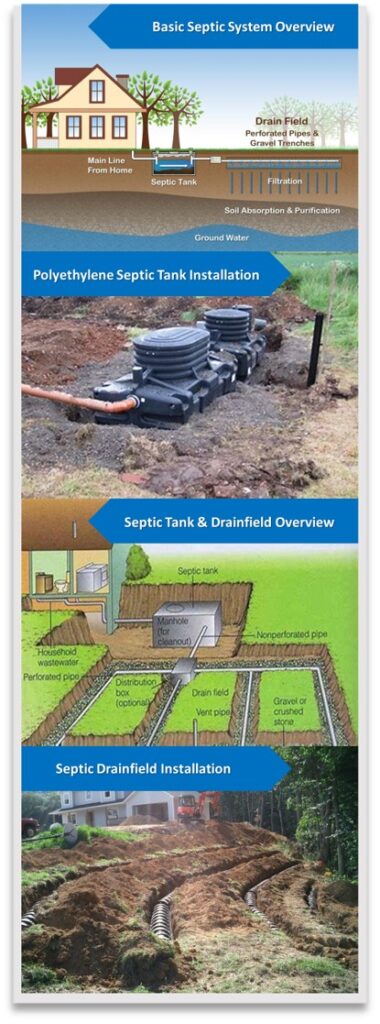
Frequently Asked Questions
How do I know if my septic tank is the right size?
Assess the number of bedrooms and household size against recommended sizes; consider having it evaluated by a professional to ensure efficiency.
What happens if my septic tank is too small?
An undersized tank can lead to system failures, overflowing, and backups, causing damage and potential health hazards.
Can I install a 1000-gallon tank in a 4-bedroom house?
A 1000-gallon tank is generally not adequate for a 4-bedroom home, as a 1500-gallon tank is recommended.
How often should I pump my septic tank?
It is advisable to pump your septic tank every 3-5 years, depending on household usage and maintenance.
Will excessive water use damage my septic system?
Yes, excessive water use can overwhelm the septic system, leading to inefficient treatment and potential system failure.
Conclusion
Understanding how many bedrooms a 1000-gallon septic tank can support is crucial for maintaining an efficient wastewater management system in your home. By evaluating your home's specific needs, factoring in household habits, and ensuring regular maintenance of your septic tank, you can avoid potential pitfalls and ensure smooth operation for years to come. Empower yourself with this knowledge, assess your current setup, and don’t hesitate to seek professional advice if needed. If you want to learn more about optimizing your septic system or specific maintenance tips, explore further resources or reach out for personalized assistance.